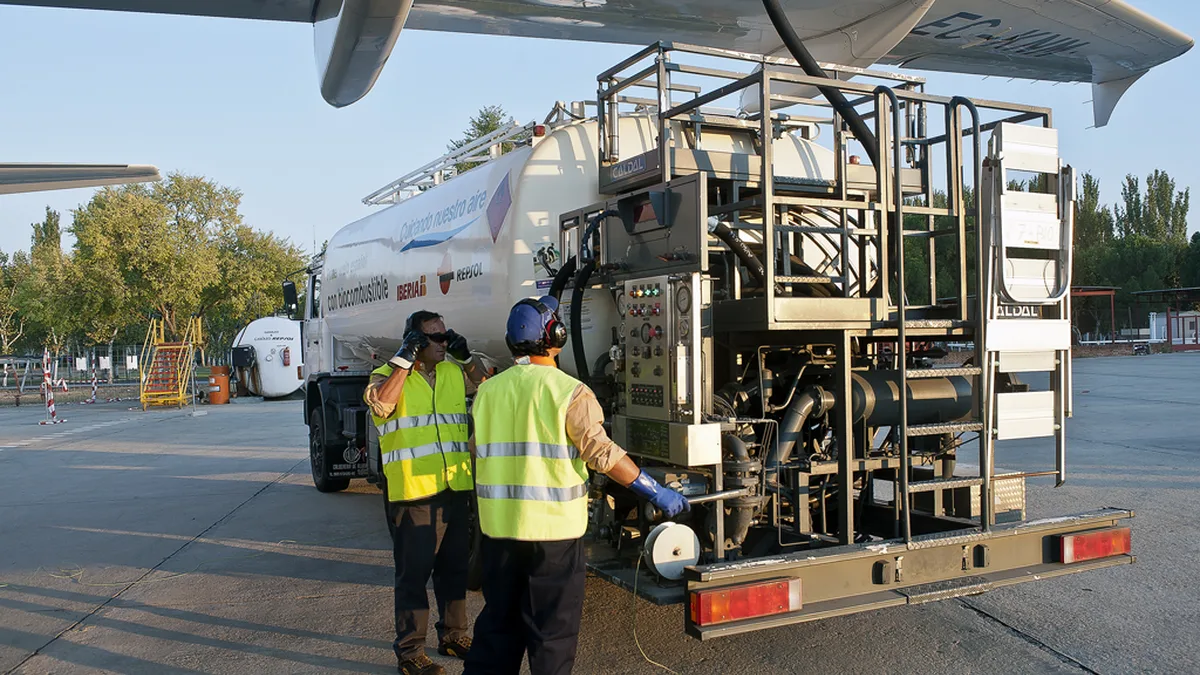
Sustainable Aviation Fuel
| Feedstock | Plant oils, waste fats, agricultural residues, municipal solid waste |
|---|---|
| Production process | Hydroprocessing, Fischer-Tropsch synthesis, alcohol-to-jet |
| Blending limit | Up to 50% with conventional jet fuel |
| Chemical composition | Hydrocarbons (paraffins, isoparaffins, aromatics) |
| Lifecycle CO₂ reduction | Varies by feedstock and production pathway |
| Certification standard | ASTM D7566 |
| Compatibility | Drop-in fuel for existing aircraft and infrastructure |
Origin and history
Sustainable Aviation Fuel (SAF) is not a single invention with a precise origin but a category of fuels developed from various feedstocks and processes. The concept of using alternative fuels for aviation emerged in the early 21st century, driven by growing environmental concerns within the aviation industry. Initial research and testing phases began in the 2000s, focusing on biomass-derived fuels as a potential pathway to reduce carbon emissions. The first commercial flight using a blend of sustainable fuel took place in 2008, demonstrating technical feasibility. Development has since been a global effort, with significant research programs in the United States, Europe, and parts of Asia. The historical trajectory is marked by continuous refinement of production methods and expansion of approved feedstock sources.
What it is for
Sustainable Aviation Fuel is designed to reduce the aviation sector's lifecycle carbon dioxide emissions compared to conventional fossil-based jet fuel. Its primary purpose is to serve as a "drop-in" replacement fuel, meaning it can be blended with conventional jet fuel and used in existing aircraft and infrastructure without modification. It addresses the specific challenge of decarbonizing long-haul aviation, where electrification or hydrogen propulsion are not currently viable solutions. The fuel aims to lower the net carbon footprint of flights by utilizing renewable feedstocks that recycle atmospheric carbon. It is a core component of the aviation industry's strategy to meet climate goals and regulatory mandates. Its use also aims to improve air quality around airports by reducing particulate matter emissions from aircraft engines.
Overview
Sustainable Aviation Fuel is a liquid fuel meeting stringent international specifications for use in turbine engines. It is chemically distinct from biofuels like biodiesel or ethanol, as it must replicate the complex hydrocarbon chains of conventional Jet A or Jet A-1 fuel. SAF is produced through several approved technological pathways that convert biological or non-biological feedstocks into synthetic paraffinic kerosene. These pathways include Fischer-Tropsch synthesis, hydroprocessed esters and fatty acids (HEFA), and alcohol-to-jet processes. The fuel is not used in pure form but is certified for blends of up to 50% with conventional jet fuel, though most current operations use much lower blend ratios. Its production, distribution, and use are governed by a rigorous certification system to ensure safety and performance parity with fossil jet fuel.
What to know
It is critical to understand that "sustainable" refers to the lifecycle carbon reduction of the fuel, not necessarily that its production is without environmental trade-offs. The sustainability and carbon reduction potential depend heavily on the feedstock source and the production process's energy inputs. SAF is currently significantly more expensive to produce than conventional jet fuel, which limits its widespread adoption without policy support or market incentives. Supply is extremely limited, constituting less than 0.1% of global jet fuel consumption, highlighting a major scale-up challenge. The term "Sustainable Aviation Fuel" is an umbrella term encompassing fuels from diverse sources like used cooking oil, agricultural residues, municipal solid waste, and potentially renewable electricity and carbon capture. Knowledge of the specific ASTM International certification standards, such as D7566, is essential for understanding which fuels are approved for use.
Common questions
A common question is whether SAF can be used in existing aircraft, and the answer is yes, but only as a certified blend with conventional fuel. People often ask about the sources, which range from biomass like forestry wastes to recycled carbon from industrial processes or direct air capture. Many inquire if SAF is the same as electric or hydrogen propulsion, but it is a separate solution for liquid-fueled gas turbine engines. Questions regarding its environmental impact frequently arise, particularly concerning land-use change if feedstocks compete with food production. There is frequent confusion about its availability, with passengers often overestimating how much is currently used on commercial flights. Another regular query concerns its safety, which is rigorously tested and equivalent to conventional jet fuel under all operating conditions.
Pros and cons
A significant advantage is its drop-in capability, requiring no new aircraft or airport fuel infrastructure, enabling immediate emission reductions. It can also offer superior combustion characteristics, leading to lower particulate emissions and cleaner engine operation. A major con is its high cost, often two to four times more expensive than conventional jet fuel, creating a substantial economic barrier for airlines. Scaling production faces challenges related to feedstock availability, geographic concentration of production facilities, and competition for sustainable biomass with other industries. A common mistake is viewing SAF as a silver bullet; it is one necessary tool among many, including operational efficiencies and new technologies, for deep decarbonization. Some stakeholders regret early investments in certain feedstock pathways that later faced sustainability controversies or failed to achieve commercial viability.
Who it suits
Sustainable Aviation Fuel suits airlines and operators under strong regulatory pressure to reduce emissions, such as those in regions with carbon pricing or blending mandates. It is a critical tool for corporate and private aviation clients who wish to mitigate the carbon footprint of their travel for public relations or environmental, social, and governance (ESG) reporting purposes. Airports located in regions with local production facilities or supportive policy frameworks are logical early adopters to establish supply chains. It suits fuel producers and refiners with access to large volumes of suitable waste or residue feedstocks, such as used cooking oil or forestry by-products. Military aviation organizations seeking fuel security and alternative supply options may also pursue SAF development and use. Ultimately, it suits an aviation system that must maintain global connectivity while transitioning to lower-carbon energy sources over the coming decades.
Latest Sustainable Aviation Fuel news
Latest reporting

Modern Skies Act Seeks $30 Billion for Aviation
Senator Eric Schmitt introduced the Modern Skies Act proposing $30 billion in funding for aviation infrastructure, supported by Secretary Sean Duffy...
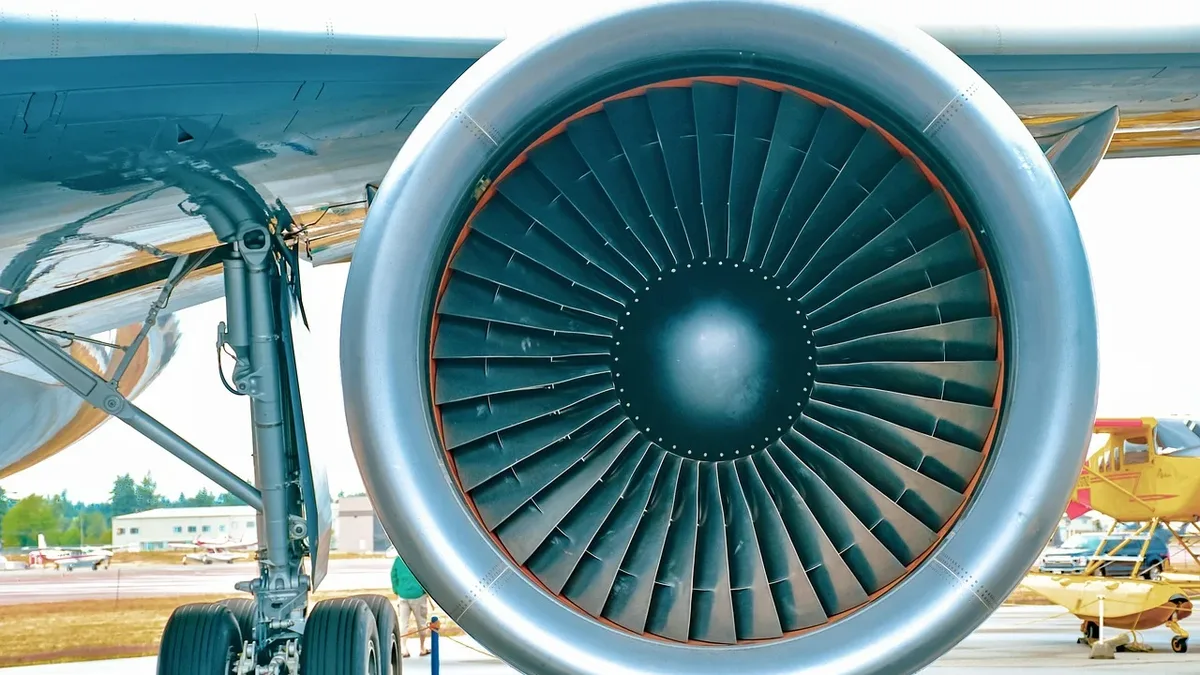
Airlines Face $11 Billion Cost From Unreliable New Engines
IATA reports that fuel-efficient engines from Pratt & Whitney and Rolls-Royce are causing high maintenance costs and aircraft groundings, offsetting
Houthi attack disrupts Riyadh airport
Flights at Riyadh's King Khalid International Airport were disrupted after a Houthi attack on a fuel depot. The incident highlights broader aviation...
Aviation Coalition Urges FAA to Preempt State Crew Rest
A coalition of major aviation groups is calling on the FAA to assert federal authority over pilot duty and rest rules, arguing a national standard is

Airlink cancels third rugby flypast amid SACAA review
Airlink has withdrawn its application for a third formation flypast over a rugby Test after the South African Civil Aviation Authority began analyzing

Archer Aviation Launches Public eVTOL Demo Tour in Northern
Archer Aviation begins a public demonstration tour of its Midnight eVTOL prototype in Northern California to shows electric air taxi benefits and...