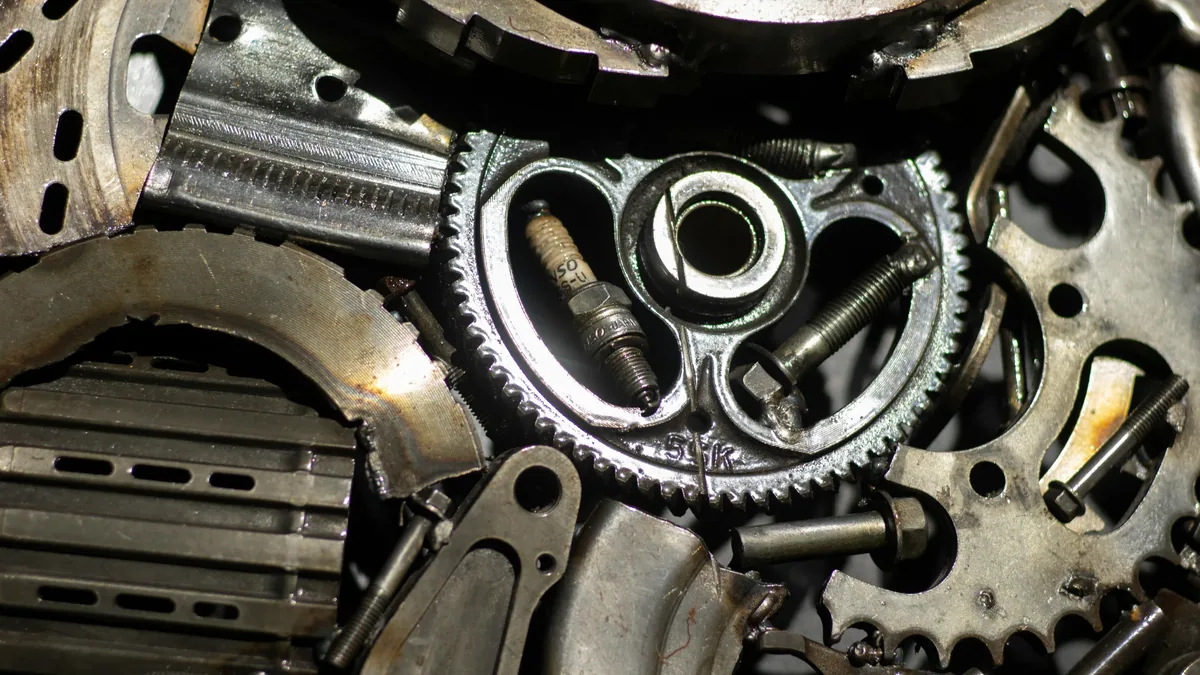
Teardown And Part Out
| Original use | Decommissioning and asset recovery of aircraft |
|---|---|
| First created | Mid-20th century (post-World War II commercial aviation era) |
| Typical location | Dry climate regions or dedicated airport facilities |
| Primary input | End-of-service-life or damaged aircraft |
| Primary outputs | Certified serviceable parts, scrap materials, residual airframe |
| Key economic driver | Value of reusable components versus scrap value |
| Regulatory oversight | National aviation authority (e.g., FAA, EASA) parts certification |
Origin and history
The practice of teardown and part out is not a formally created system but an established industrial process that evolved with the commercial aviation industry. Its origins are tied to the economic realities of aircraft retirement, beginning in earnest in the latter half of the 20th century. As jet aircraft like the Boeing 707 and Douglas DC-8 reached the end of their operational lives in the 1970s and 1980s, the value of their serviceable components became apparent. This led to the systematic disassembly of retired aircraft, primarily in regions with lower labor costs and ample storage space, such as the southwestern United States. The practice became a standardized sector of aviation economics, supported by a global network of buyers, sellers, and regulatory oversight for used parts. It is now a fundamental pillar of the aircraft lifecycle, with dedicated facilities worldwide specializing in the process.
What it is for
Teardown and part out exists to maximize the residual economic value of an aircraft that is no longer economically viable to operate as a whole unit. Its primary function is to recover high-value components that can be certified for continued use in other operational aircraft, thereby extending their service life and reducing operating costs for airlines. The process serves as a critical supply chain for the global market in used serviceable materials, providing engines, landing gear, avionics, and countless other line-replaceable units. It also facilitates the recycling of raw materials, such as aluminum alloys, from the airframe structure after all valuable parts have been removed. Furthermore, it provides a financially rational exit strategy for aircraft owners and lessors, allowing them to recoup capital from aging assets. Ultimately, it is a key mechanism for asset management within the aviation industry's economic ecosystem.
Overview
Teardown and part out is a meticulous, multi-stage industrial process conducted at specialized facilities often called aircraft boneyards or recycling centers. The process begins with the final flight of the aircraft to its disassembly location, where all fluids are drained and hazardous materials are removed in accordance with environmental regulations. Teams of technicians then systematically remove components in a reverse-engineering sequence, starting with high-value engines and auxiliary power units, followed by landing gear, flight controls, avionics bays, and interior fixtures. Each removed part undergoes a thorough inspection, cleaning, and testing process to determine its serviceability and market value. Serviceable parts are then documented, tagged, and entered into a global inventory system for sale, while the stripped airframe is often shredded for metal recycling. The entire operation is governed by strict regulatory frameworks to ensure traceability and airworthiness of all parts re-entering the supply chain.
What to know
A critical thing to know is that every part removed during a teardown intended for reuse must have a traceable history and documentation to prove its airworthiness, following regulations like FAA FAR Part 145 or EASA Part 145. The valuation of an aircraft for part-out is complex, based on current market demand for its specific components, which fluctuates with fleet retirements, technological obsolescence, and global economic conditions. The process is not instantaneous; a complete teardown of a large commercial jet can take several weeks to months, depending on the depth of disassembly and market strategy. Environmental compliance is a major factor, requiring safe handling of fuels, oils, hydraulic fluids, and other potentially hazardous substances during the disassembly. The industry relies on sophisticated software platforms to manage the inventory, sales, and certification paperwork for thousands of individual parts from a single aircraft. Understanding this process is essential for anyone involved in aircraft trading, maintenance planning, or sustainable end-of-life management for aviation assets.
Common questions
A common question is whether parts from a torn-down aircraft are safe to use, which they are provided they are processed by a certified facility and come with the proper release documentation and traceability to their original manufacture. People often ask what happens to the fuselage and wings after part removal, which are typically broken down into aluminum scrap for recycling, though some sections may be sold for ground training or other non-flying purposes. Many inquire about which aircraft types are best suited for part-out, generally focusing on models with large remaining global fleets where demand for components remains high to support active operators. A frequent question concerns who buys these parts, a diverse group including airlines, maintenance repair organizations, parts brokers, and leasing companies looking for cost-effective replacements. Individuals wonder if the process is profitable, which depends entirely on the aircraft's model, the condition of its major components, and the timing of the teardown relative to market cycles. Another typical question is how to locate a specific part from a part-out, which is done through specialized parts distributors and online marketplaces that aggregate inventory from global teardown projects.
Pros and cons
A significant pro is the substantial economic efficiency it introduces, allowing airlines to source certified components at a fraction of the cost of new parts, directly reducing maintenance expenses. The process also promotes sustainability by maximizing the useful life of manufactured components and ensuring metals are recycled, reducing the environmental footprint of aircraft retirement. However, a major con is the inherent market volatility; an owner can misjudge the part-out value, especially if a key component like an engine suffers unexpected damage, turning a projected profit into a loss. The industry also faces regulatory complexity, where improper documentation or traceability can render a valuable part unsellable, a common and costly mistake for inexperienced operators. Furthermore, the part-out market can sometimes inadvertently support the extended operation of older, less fuel-efficient aircraft by providing cheap parts, which conflicts with environmental goals for fleet modernization. Those who regret choosing a part-out strategy typically did so during a market downturn or for an aircraft type that rapidly became obsolete, leaving them with a large inventory of low-demand parts.
Who it suits
This system suits aircraft owners and leasing companies seeking to liquidate an aging asset, particularly when the cost of major maintenance or upgrades exceeds the aircraft's market value as a flying unit. It is ideal for specialized companies with the technical expertise, certification, and global sales networks to efficiently manage the disassembly and parts distribution process. Airlines with large, homogeneous fleets often engage in part-out strategies themselves to cannibalize parts from retired aircraft to support their active fleet, controlling their own supply chain. The system also suits smaller operators, cargo carriers, and maintenance organizations that rely on the used parts market to manage budgets and keep older aircraft types flying economically. It is less suited to owners of rare or out-of-production aircraft types with minimal active fleet, where part demand is low and preservation or museum donation might be more appropriate. Ultimately, it is a system for pragmatic participants in the aviation economy who understand asset lifecycle management and operate within a complex, regulated global marketplace.
Latest Teardown And Part Out news
Latest reporting
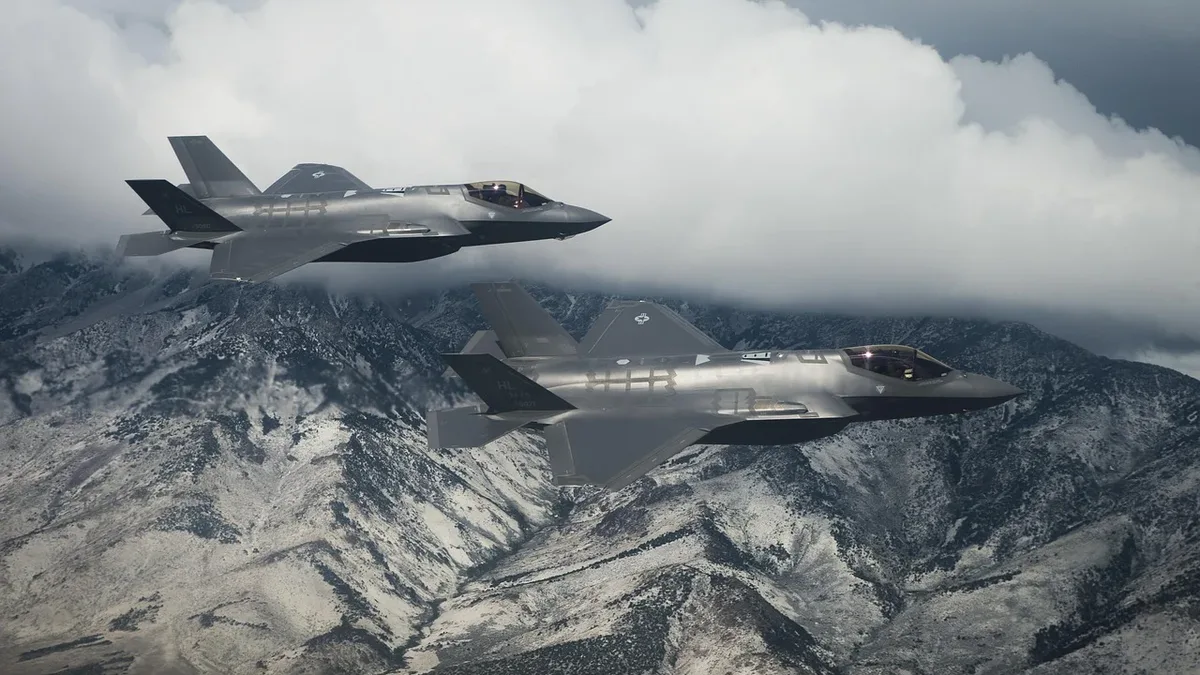
Danish F-35s Conduct First Greenland Landing in NATO Drill
Two Danish F-35A fighters landed in Greenland for the first time on September 16, 2026, as part of a major multinational NATO Arctic training exercise
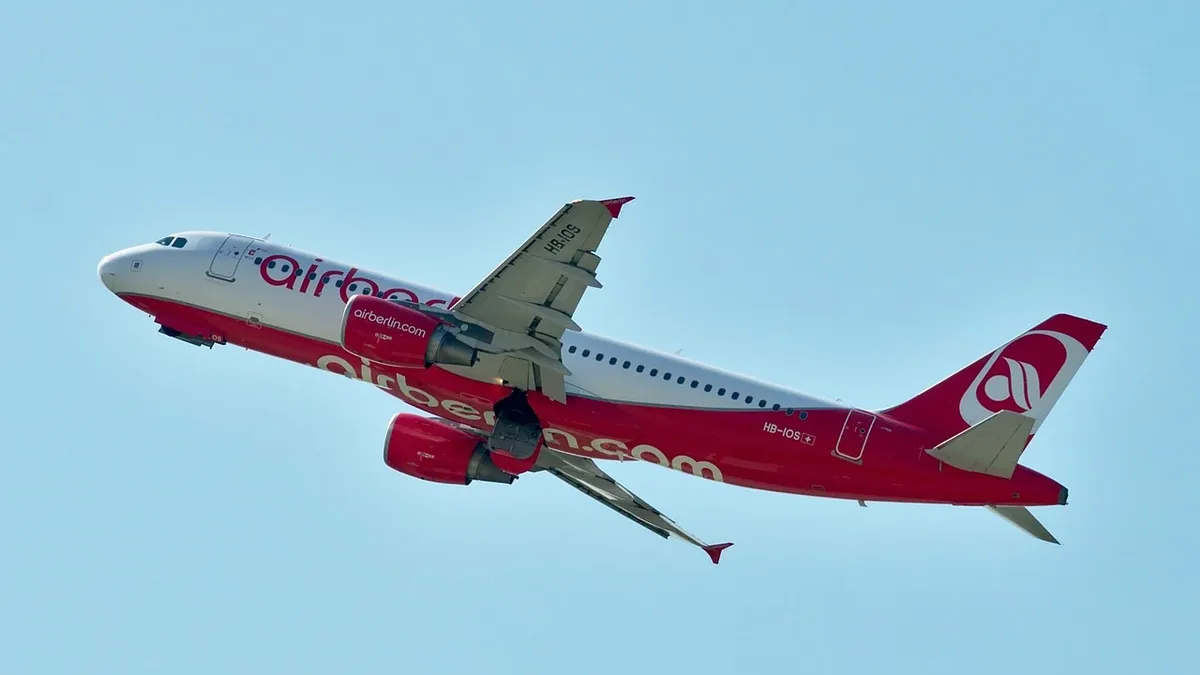
Tarmac Aerosave to Teardown Over 10 A320neo and 737 MAX Jets
Tarmac Aerosave will dismantle more than ten Airbus A320neo and Boeing 737 MAX aircraft this year for parts supplier AerFin, highlighting strong...
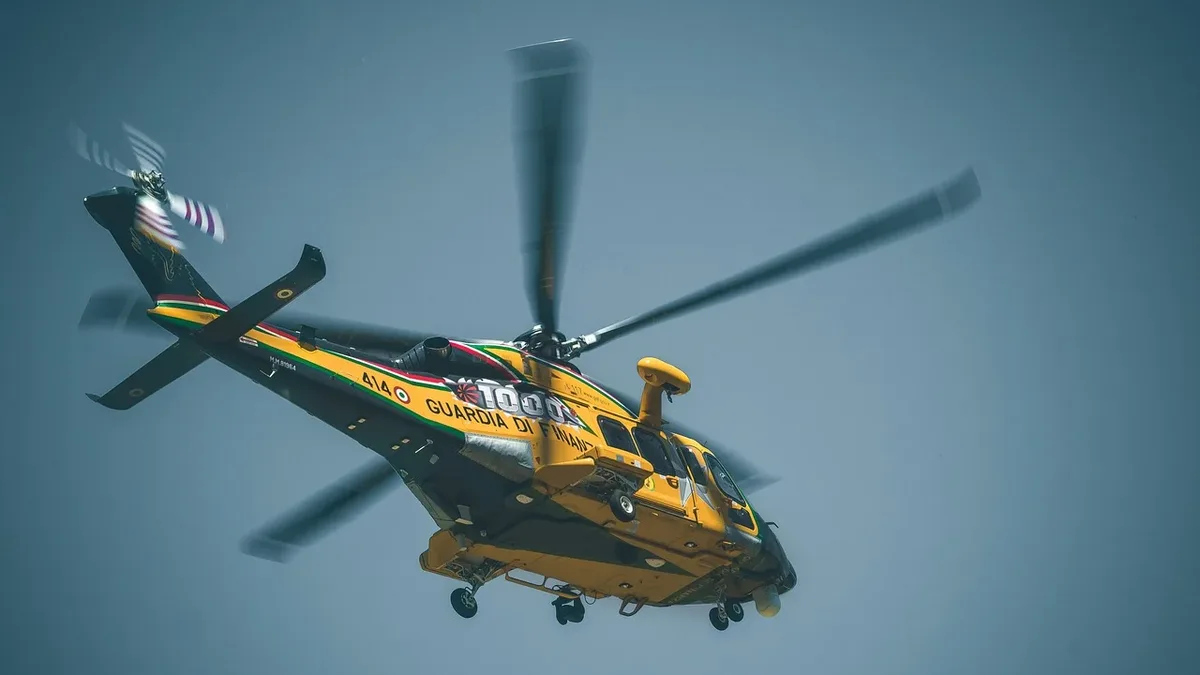
Iraq: US Approves $800M Bell Helicopter Sale
The US State Department has approved a possible $800 million sale of Bell 412EPX and 407M helicopters to Iraq, part of the country's effort to...
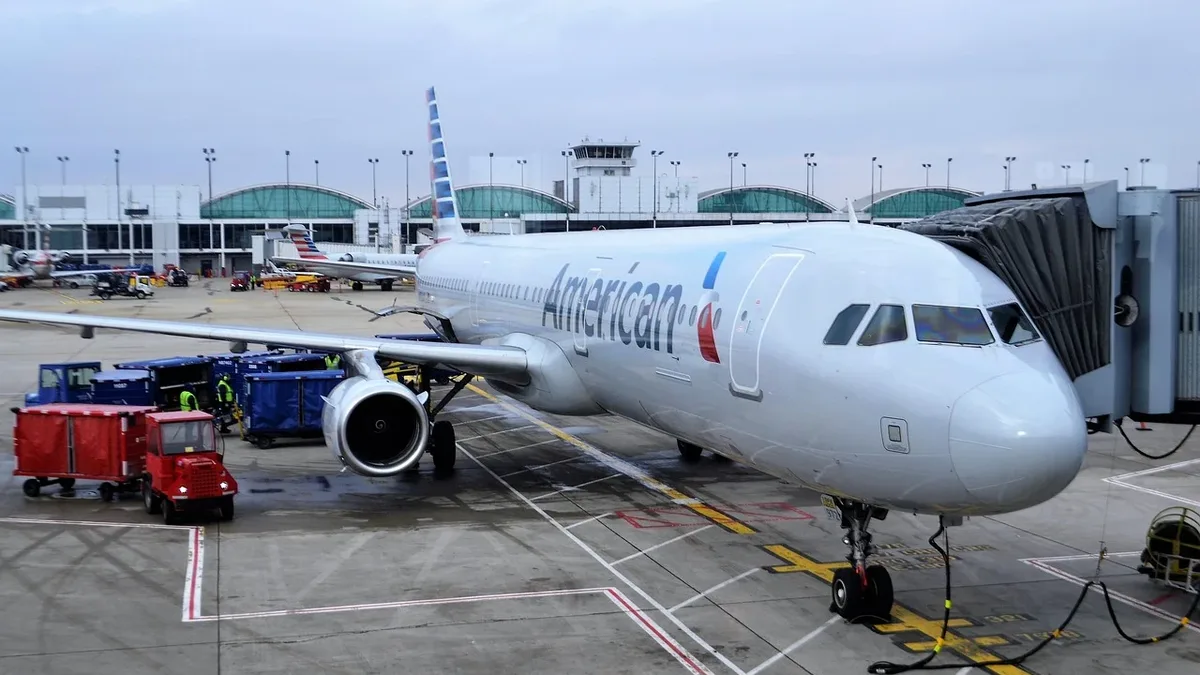
Manassas Airport Gains FAA Commercial
Washington Manassas Airport has received FAA Part 139 certification, enabling scheduled commercial passenger service to begin by late 2027.
US Air Force Selects GE-Kratos F143 as Secondary Engine for JASSM Missile Program
The US Air Force has awarded a contract to GE Aerospace and Kratos Defense for the development of the F143-ZZ-100 engine as a second-source...