Training Pipeline And Academy
| Original use | Training air traffic controllers and aviation safety personnel |
|---|---|
| Primary operator | National or supranational civil aviation authority |
| Training scope | Air traffic control, aviation safety oversight, regulatory compliance |
| Training phases | Ab initio (initial), continuation, specialist qualification |
| Typical duration | Several months to multiple years (varies by program and specialty) |
| Key facilities | Control tower simulators, radar simulators, classroom complexes |
| Governing standards | International Civil Aviation Organization (ICAO) standards and recommended practices |
Origin and history
The systematic training pipeline for civil aviation personnel, including air traffic controllers and safety inspectors, developed in parallel with the formalization of international aviation regulation in the mid-20th century. Its foundational concepts originate from the standards and recommended practices established by the International Civil Aviation Organization (ICAO), a specialized agency of the United Nations created in the 1940s. National aviation authorities, such as the Federal Aviation Administration in the United States and analogous bodies in Europe, began constructing formalized training academies and career pathways in the post-war decades to meet growing demand and ensure standardized competency. The model evolved from apprenticeship-style, on-the-job training into a structured, competency-based educational framework with defined theoretical and practical phases. Technological advancements, particularly in simulation, from the 1970s onward allowed for more sophisticated and safe training environments within these academies. The pipeline's history is marked by continuous adaptation to changes in technology, airspace complexity, and lessons learned from accident investigations.
What it is for
The training pipeline and academy system exists to produce and maintain a standardized, highly skilled, and certified workforce essential for safe and efficient air transport. Its primary purpose is to train air traffic controllers to manage aircraft movements on the ground and in all types of airspace without compromise to safety. A parallel and critical function is the training of aviation safety inspectors and technical personnel who oversee regulatory compliance, aircraft airworthiness, and operator certifications. The system also serves to train specialists in aviation economics, infrastructure management, and policy to ensure the financial and operational sustainability of the industry. It provides a continuous career development pathway, from initial ab-initio training through to recurrent training and advanced ratings for experienced personnel. Ultimately, the system functions as the human capital engine that transforms theoretical regulations and procedures into applied, real-world competency.
Overview
A civil aviation training pipeline is a multi-stage, sequential process governed by strict regulatory standards, typically beginning with rigorous selection and medical certification. The academic phase involves intensive classroom instruction in subjects such as air law, meteorology, navigation, aerodynamics, and specific operational procedures. Following theory, trainees enter a practical simulation phase using high-fidelity pseudo-pilot and radar simulators to develop and assess operational skills in a risk-free environment. Successful completion of simulation leads to on-the-job training at an operational unit under close supervision, where skills are applied to live traffic. The entire pipeline is competency-based, meaning progression is contingent upon demonstrating specific, measurable skills rather than merely completing time-based modules. Academies are often run by national aviation authorities, the military, or accredited private institutions, and their curricula must be approved by the regulatory body to ensure global interoperability of licenses.
What to know
The pipeline requires a significant investment of time and resources, with air traffic controller training often taking two to three years from entry to full certification. Entry is highly competitive, with selection processes testing cognitive abilities, spatial reasoning, stress tolerance, and multi-tasking capacity under pressure. Medical and psychological fitness standards are non-negotiable and are maintained throughout a professional's career, with regular mandatory assessments. Training is not a one-time event; certified personnel must undergo periodic recurrent training and proficiency checks to retain their licenses and ratings. The system is globally harmonized through ICAO standards, but local implementations by national authorities can have specific variations in duration, training technology, and organizational structure. A key principle is the "train to proficiency" model, which means individuals progress at different rates, and failure to meet a competency standard at any stage results in recycling or removal from the program.
Common questions
A common question is whether prior aviation experience is required, and for many ab-initio programs, it is not, as the pipeline is designed to build competency from a baseline of aptitude. People often ask about the failure rates, which are historically high, particularly in the intensive simulation and validation phases, reflecting the system's emphasis on filtering for the highest standards of performance. Many inquire about the possibility of transferring a license between countries, which is possible but usually involves a conversion process to satisfy specific national regulations and may require additional examinations. Questions frequently arise regarding the stress and shift work associated with the careers this pipeline feeds, which are substantial and are a core focus of both selection and ongoing human factors training. Prospective candidates commonly ask about the cost of training, which is typically borne by the employer or state authority for selected candidates, not by the individual trainee. There is also frequent discussion about the impact of automation, with the pipeline increasingly integrating training on advanced decision-support tools while emphasizing that human oversight remains paramount.
Pros and cons
A major advantage is the production of a uniformly high-caliber professional workforce, creating a predictable and reliable safety culture across the global industry. The structured, competency-based approach ensures that only individuals who have demonstrably mastered necessary skills are allowed to progress, minimizing on-the-job error. A significant drawback is the high attrition rate during training, which can be personally difficult for candidates and represents a substantial sunk cost for training organizations. The pipeline can be inflexible and slow to adapt curricula in response to rapid technological change, sometimes creating a lag between operational reality and training content. A common mistake is for organizations to under-invest in instructor quality and continuity, as the effectiveness of the entire system hinges on the skill of the trainers, not just the technology.
Who it suits
This system suits individuals with a strong capacity for sustained concentration, excellent spatial awareness, and the ability to make decisive judgments under time pressure. It is appropriate for those who thrive in a structured, rule-based environment where procedures and standards are clearly defined and rigorously applied. It suits people who are not seeking a routine job but who can derive satisfaction from the dynamic, responsibility-laden nature of managing real-time operations. The pipeline is designed for candidates who can commit to a long period of intensive training and evaluation without a guarantee of final certification. It is also suited to organizations and states that prioritize systemic safety and operational integrity over short-term cost savings or flexible hiring practices. Ultimately, it serves a global industry that requires absolute trust in the competency of its key personnel, making it suitable for societies dependent on safe and efficient air transport.
Latest Training Pipeline And Academy news
Latest reporting
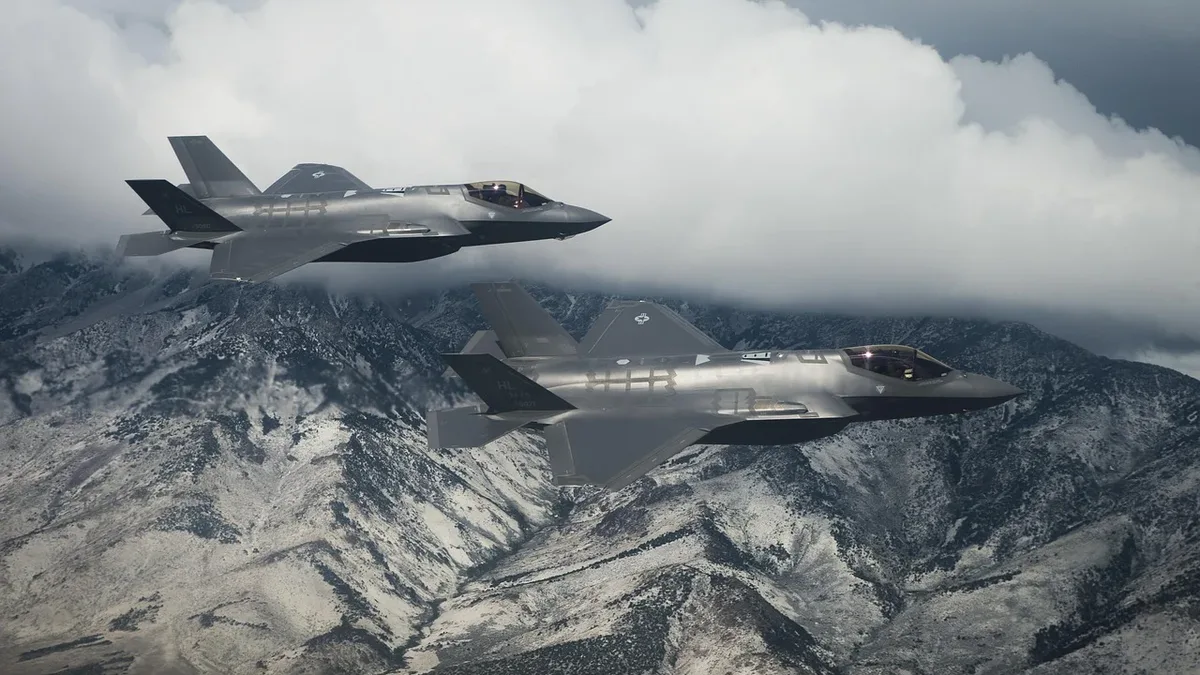
Danish F-35s Conduct First Greenland Landing in NATO Drill
Two Danish F-35A fighters landed in Greenland for the first time on September 16, 2026, as part of a major multinational NATO Arctic training exercise
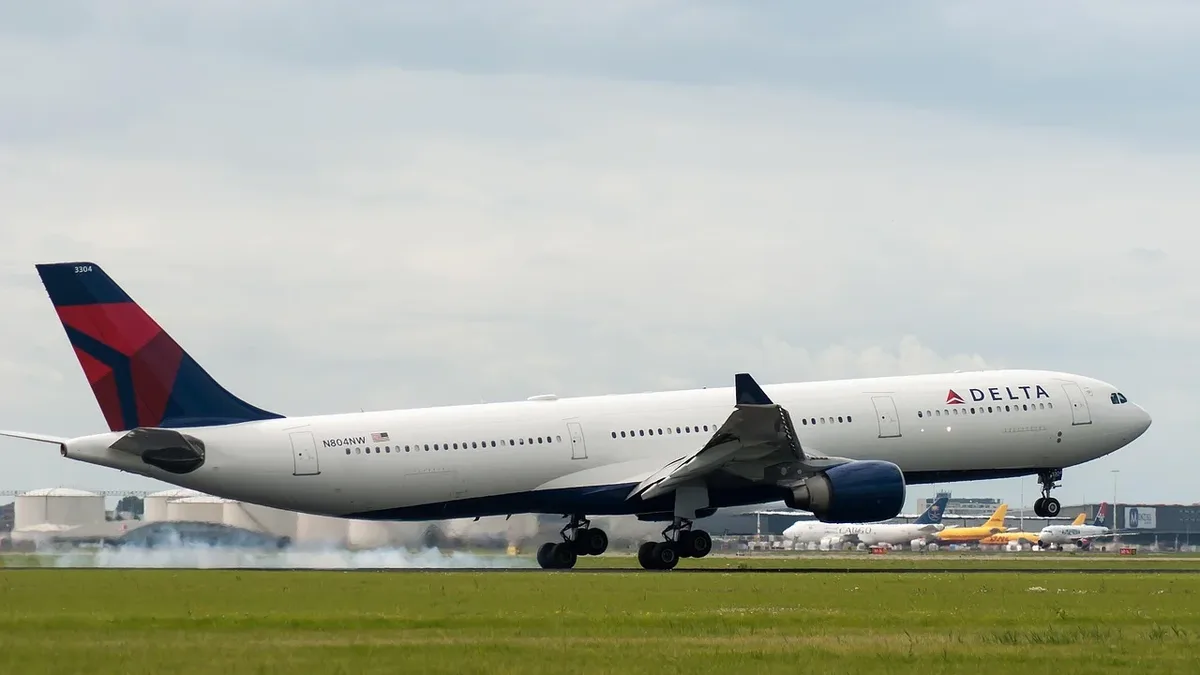
Delta Air Lines to launch new Delta One
Delta Air Lines is set to roll out a refreshed Delta One business-class experience, with flight-attendant training slated to begin next week. The...
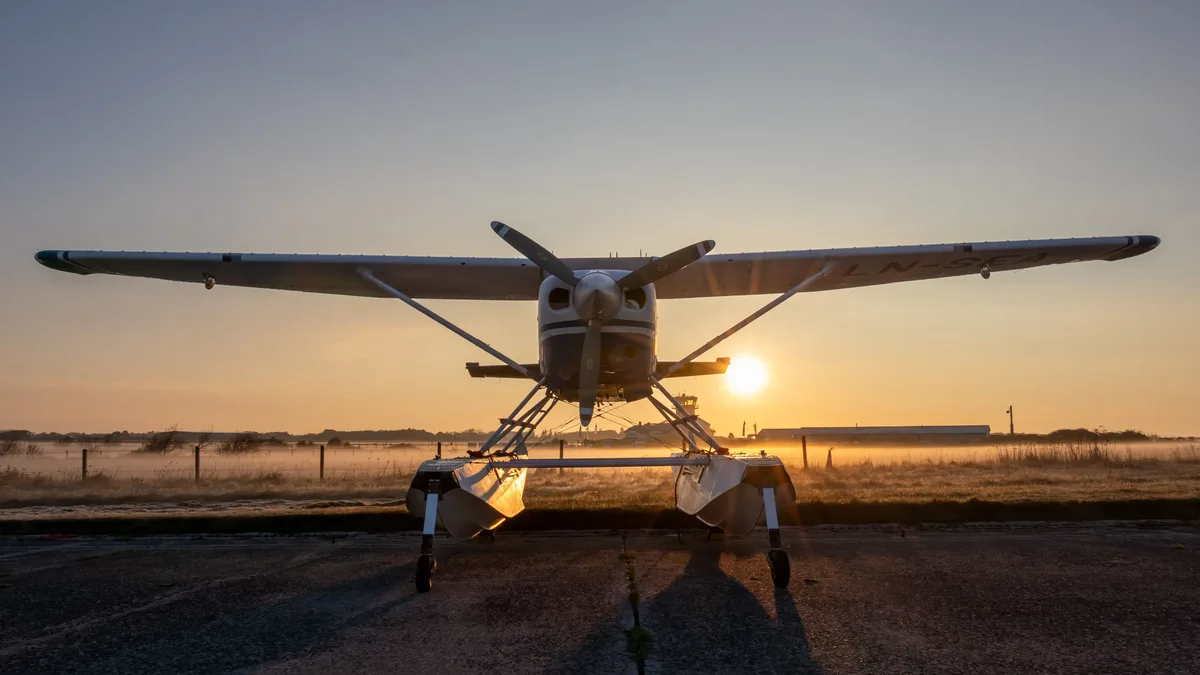
Airbus Integrates Synthetic Aircraft into German Air Force Exercise
Airbus has successfully connected its System Development Lab to a live German Air Force training environment, allowing synthetic aircraft to...

USAF Jolly Green IIs Rescue Five After Navy MH-60S Hard Landing
US Air Force HH-60W Jolly Green II helicopters recover five US Navy personnel from mountainous terrain after their MH-60S Seahawk made a hard landing...
US Army Selects Robinson R66 for $10 Billion Helicopter Training Program
The US Army has chosen the Robinson R66 as its primary helicopter trainer under a major overhaul of initial helicopter pilot training.