Tsa Screening Policy And Checkpoint Technology
| Original use | Security screening of passengers and property for commercial aviation |
|---|---|
| Operator | Transportation Security Administration (TSA) |
| Primary location | Airport security checkpoints in the United States |
| Key technology categories | X-ray imaging, Advanced Imaging Technology (AIT), Explosives Trace Detection (ETD) |
| Standard screening procedure | Identity verification, property divestiture, walk-through metal detector or AIT scan, property inspection |
| Prohibited items categories | Sharp objects, firearms, tools, flammable items, liquids over 3.4 ounces |
Origin and history
The Transportation Security Administration (TSA) and its associated screening policies and checkpoint technologies originated in the United States in direct response to the terrorist attacks of September 11, 2001. The agency was established by the Aviation and Transportation Security Act, signed into law in November 2001. Prior to this, passenger screening at U.S. airports was primarily conducted by private contractors under loose federal oversight. The creation of the TSA federalized this workforce and initiated a new, standardized regime of security procedures. The technology deployed at checkpoints evolved from basic metal detectors and X-ray machines for carry-on bags into a more complex system over the subsequent decades. This evolution was driven by ongoing threat assessments and attempts to balance security effectiveness with passenger throughput.
What it is for
The system exists to prevent prohibited items, particularly weapons, explosives, and other threats, from being carried onto commercial aircraft. Its primary purpose is to protect the aviation system from acts of terrorism and criminal interference. A secondary, though critical, function is to deter such acts by establishing a visible and predictable security presence. The system also aims to safeguard passengers, crew, aircraft, and airport infrastructure. It functions as a last line of defense within a broader, multi-layered security approach that includes intelligence, vetting, and other measures. Ultimately, the system is designed to maintain public confidence in the safety of air travel.
Overview
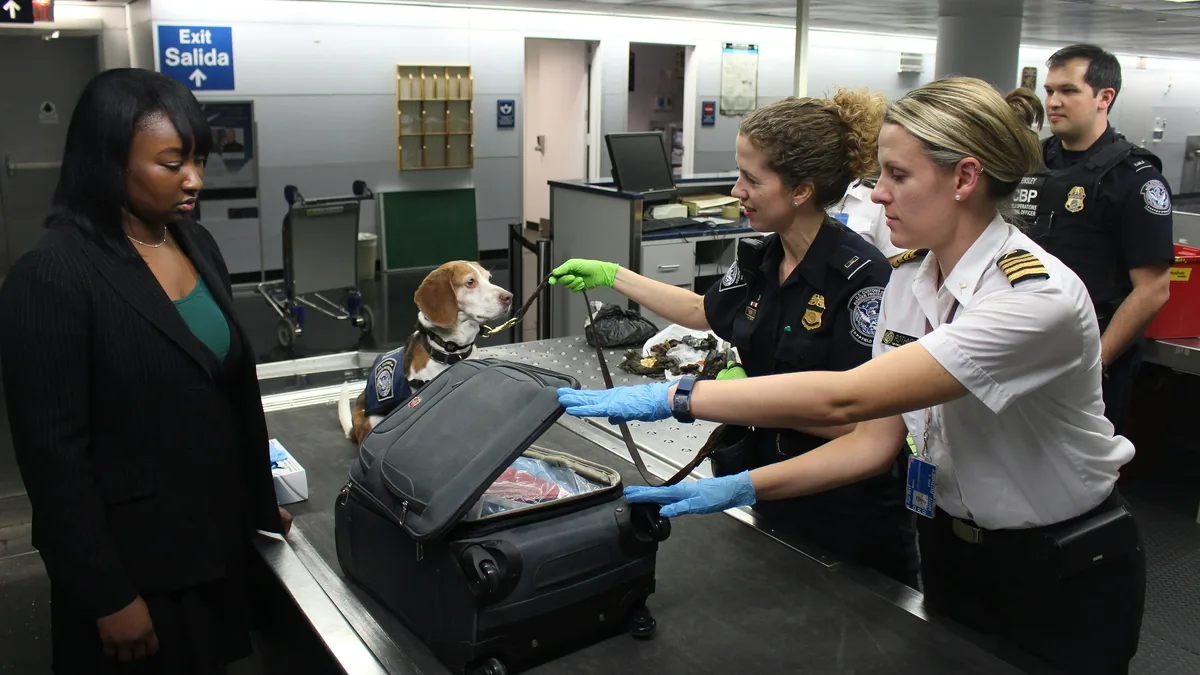
The system is a combination of regulatory policy, standardized procedures, and specialized hardware operated by a federal workforce. Policy dictates what items are prohibited, the processes passengers must follow, and the protocols officers must execute. Checkpoint technology typically includes walk-through metal detectors (WTMD) and advanced imaging technology (AIT) body scanners for passenger screening. For carry-on baggage, it relies on X-ray systems, with increasingly common deployment of computed tomography (CT) scanners for superior explosive detection. Additional technologies include explosive trace detection (ETD) swabbing units and bottled liquid scanners. The entire operation is supervised by TSA Transportation Security Inspectors and is subject to regulatory oversight and compliance audits.
What to know
Passengers should know that the system is rules-based, and compliance with officer instructions is legally required. The list of prohibited items is extensive and includes liquids, gels, and aerosols in containers larger than 3.4 ounces, with specific exceptions for medications and infant nourishment. The process requires removing certain items like laptops and large electronics from bags, as well as shoes, belts, and jackets, though rules can change with technology upgrades. TSA PreCheck is a trusted traveler program that allows pre-vetted passengers to use expedited lanes with modified procedures. Screening technology, such as body scanners, uses automated target recognition software to highlight anomalies without displaying a specific anatomical image. The system’s effectiveness relies heavily on unpredictability, meaning procedures and focus may shift without public notice.
Common questions
A common question is why liquids are restricted, which stems from intelligence regarding liquid explosives plots in the mid-2000s. Many ask if medications are exempt from liquid rules, and they are, though they may require additional inspection. Passengers frequently question the safety of body scanners, which the TSA states use non-ionizing millimeter wave technology or very low-dose backscatter X-rays deemed safe by national standards bodies. People often wonder if they must remove items from their bags when using a new CT scanner, and currently, the answer is usually no, as these systems generate 3D images. Questions arise about the validity of TSA PreCheck, which requires a background check and fee for a five-year membership. Another frequent inquiry concerns what happens to confiscated items, which are generally disposed of or, in some states, auctioned.
Pros and cons
A significant pro is the establishment of a uniform, federally managed security baseline, which replaced a fragmented and often ineffective pre-9/11 system. The visible security presence provides a substantial deterrent effect and helps maintain public confidence in flying. The continuous adoption of new technologies, like CT scanners, improves threat detection capabilities for concealed explosives. A primary con is the impact on passenger throughput and experience, often creating bottlenecks, stress, and perceived intrusiveness. The system can be inflexible, struggling to efficiently handle exceptions, leading to frustrating encounters for travelers with medical devices or unusual circumstances. A common mistake is the public’s focus on individual inconvenience rather than the system’s layered, statistical risk-reduction purpose, while a genuine regret often comes from airports and airlines bearing the cost and space burdens for security infrastructure that can slow commercial operations.
Who it suits
The system suits a regulatory and risk-averse security paradigm where standardization and predictability of procedure are prioritized over flexibility. It is designed for the operational environment of large, busy commercial airports processing millions of passengers annually under time pressure. The technology-heavy approach suits a security model that aims to reduce reliance on human interpretation, though officers remain essential. It suits a traveling public that, despite complaints, has largely accepted the trade-off between personal privacy and perceived safety. The system does not suit low-volume airports or general aviation settings where different risk profiles exist, nor does it ideally suit passengers requiring high levels of personal assistance or those unfamiliar with its complex rules. It fundamentally suits a national strategy that places a physical security barrier at the passenger checkpoint as a non-negotiable component of aviation security.
Latest Tsa Screening Policy And Checkpoint Technology news
Latest reporting
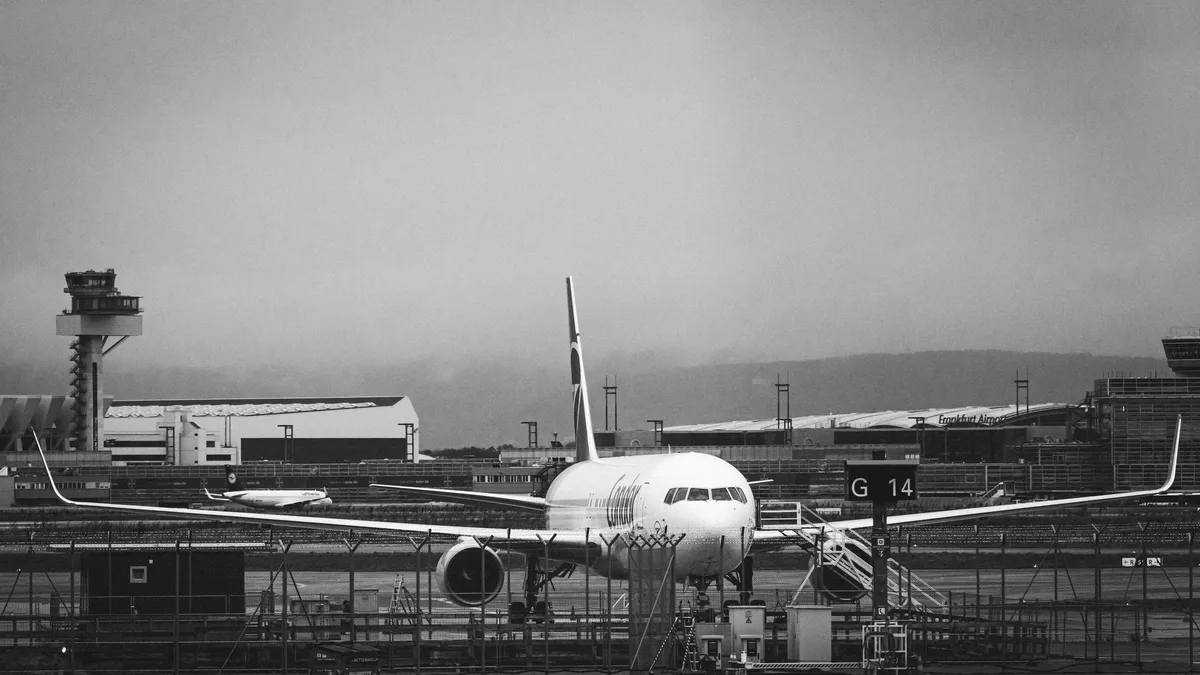
Garmin Autoland Approved for Pilatus PC-12 PRO
The FAA and EASA have certified Garmin's Safety Autoland system for the Pilatus PC-12 PRO turboprop, expanding the automated emergency landing...
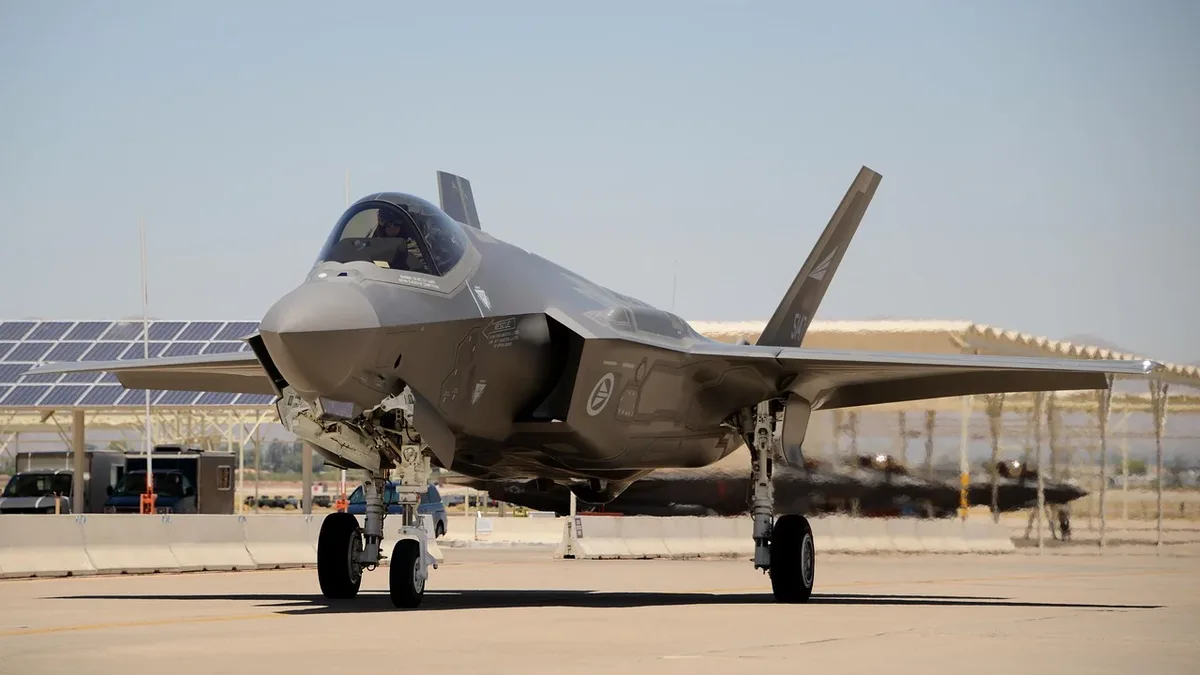
US intelligence warns on Saudi F-35
A U.S. Intelligence assessment warns that a proposed $24 billion sale of F-35 fighters to Saudi Arabia could expose the jet's sensitive technology to
Rakuten Helps Helsing Pitch HX-2 Strike Drone to Japan
Japanese e-commerce group Rakuten is assisting German defense technology company Helsing in its pursuit of a sale of its HX-2 strike drone to Japan's...