Turbulence Injuries
| System type | Aviation safety and operational management system |
|---|---|
| Original use | To classify, report, and analyze injuries caused by in-flight turbulence |
| Primary data source | Mandatory incident reports from airlines |
| Injury severity scale | Typically Minor, Serious, Fatal |
| Reported by | Flight crew or airline safety officers |
| Timeframe of analysis | Continuous, with periodic safety bulletins |
| Regulatory framework | National and international aviation safety authorities |
Origin and history
The systematic study and classification of turbulence-related injuries emerged from global aviation safety investigations in the latter half of the 20th century. While turbulence itself is a natural atmospheric phenomenon, its recognition as a specific causal factor in passenger and crew injuries developed alongside the jet age and the expansion of commercial air travel. The focus on "turbulence injuries" as a distinct safety category was solidified through incident reporting by bodies like the U.S. National Transportation Safety Board (NTSB) and the U.K. Air Accidents Investigation Branch (AAIB) from the 1960s onward. International aviation organizations, notably the International Civil Aviation Organization (ICAO), began to standardize definitions and reporting requirements for turbulence encounters to improve global data collection. This historical development is not tied to a single country but represents a collective international effort in aviation safety oversight. The evolution continues with modern advancements in turbulence detection technology and predictive models, which have refined understanding and prevention strategies.
What it is for
The concept of "turbulence injuries" serves as a critical safety performance indicator within the aviation system, used to measure and manage a specific risk to occupants. Its primary function is to provide a standardized framework for reporting, investigating, and analyzing injuries caused by in-flight turbulence encounters. This data directly informs regulatory bodies and airlines in developing and updating safety protocols, including seatbelt sign policies and crew procedures. The classification helps identify trends, such as common injury types or phases of flight most susceptible to turbulence events, guiding targeted safety interventions. It is also fundamental for crew training programs, which use case studies of past injury events to prepare flight attendants and pilots for managing unexpected turbulence. Ultimately, the focus on these injuries aims to reduce their frequency and severity, thereby protecting passenger and crew welfare and maintaining public confidence in air travel safety.
Overview
Turbulence injuries refer to physical harm sustained by aircraft occupants during sudden or severe atmospheric turbulence while the aircraft is in flight. These injuries most commonly occur when individuals are not secured by a seatbelt and are thrown within the cabin, impacting interior structures or being struck by unsecured objects. Typical injuries include fractures, lacerations, and head trauma, with flight attendants being disproportionately affected due to their mobility during cabin service. The aviation system addresses this risk through a multi-layered approach combining meteorological forecasting, pilot reporting, onboard radar technology, and stringent operational procedures. Regulatory frameworks mandate reporting of serious turbulence injuries to national aviation authorities, which contributes to a shared safety database. This overview encompasses the injury mechanism, the populations at risk, and the integrated technological and procedural defenses employed to mitigate the hazard.
What to know
It is crucial to know that clear-air turbulence, which occurs without visual warning in cloudless skies, is a leading cause of severe turbulence injuries as it can be undetectable by conventional radar. Passengers should understand that the seatbelt sign is the primary direct instruction to be secured, and compliance is the single most effective personal safety measure. Occupants should be aware that even when the sign is off, keeping their seatbelt loosely fastened is a recommended precaution due to the possibility of unexpected turbulence. From a system perspective, know that pilots receive regular weather briefings and use onboard weather radar to avoid areas of known or predicted convective turbulence, but complete avoidance is not always possible. The economic impact of turbulence injuries includes costs related to medical care, aircraft diversion, potential litigation, and subsequent operational changes, which factor into airline safety management systems. Furthermore, turbulence-related incidents are thoroughly investigated to determine if procedural failures, such as inadequate cabin securement or delayed seatbelt announcements, contributed to the injuries.
Common questions
A common question is whether turbulence can physically damage or crash a modern airliner, to which the answer is that while structural damage is extremely rare, the primary danger is always injury to unsecured occupants. People often ask how pilots know turbulence is coming, which involves pre-flight weather charts, reports from other aircraft, and real-time radar, though clear-air turbulence remains particularly challenging to detect. Many inquire about the safest seat during turbulence, but no definitive position offers significant protection; being securely belted into any seat is vastly more important than seat location. A frequent question concerns the legal liability for injuries, which depends on jurisdiction and the specific circumstances, such as whether the event was unforeseen or if there was negligence in crew procedures. Travelers commonly ask if smaller aircraft experience worse turbulence, and while they may be more susceptible to atmospheric displacement, all aircraft are designed to withstand forces far exceeding those encountered in even severe turbulence. Another routine question is about the role of technology, specifically whether new systems can eliminate the risk, and while improved detection aids like LIDAR are promising, they are not yet universally deployed and cannot guarantee total avoidance.
Pros and cons
A significant pro of the focused attention on turbulence injuries is that it has driven continuous improvement in forecasting technology, pilot communication networks, and crew resource management, making encounters less frequent and less severe. The standardized reporting system creates a valuable global dataset that allows safety analysts to identify systemic issues and develop evidence-based countermeasures, such as revised climb or descent procedures through known turbulent regions. However, a con is that passenger complacency remains a persistent challenge, as many travelers disregard seatbelt signs during long periods of smooth flight, directly leading to preventable injuries when unexpected turbulence strikes. The system also faces the inherent limitation of atmospheric science, where the unpredictable nature of turbulence, especially the clear-air variety, means that some injurious events are unavoidable despite all precautions. A common mistake within airline operations can be the delayed illumination of the seatbelt sign due to a desire to minimize passenger inconvenience, a judgment call that can have serious consequences. Those who may regret the current system are injured passengers and crew who feel that more conservative policies or faster technological adoption could have prevented their specific incident, highlighting the constant tension between operational efficiency and absolute safety.
Who it suits
The system for managing turbulence injury risk is fundamentally designed for and suits the aviation industry's safety management ecosystem, including regulators, airlines, and aircraft manufacturers. It suits safety investigators and data analysts who rely on precise injury classifications to perform trend analysis and validate the effectiveness of new procedures or equipment. This framework suits airline training departments, which require clear, real-world case studies of injury events to develop effective crew training modules for both cockpit and cabin personnel. It is also suited to aviation meteorologists, whose research into turbulence prediction is directly motivated by the goal of preventing these specific injuries. From a user perspective, the system ultimately suits cautious passengers and crew members who rigorously adhere to seatbelt policies and secure personal items, as they are the primary beneficiaries of the safety culture it promotes. However, it does not suit individuals who prioritize unimpeded movement in the cabin over security, as the system's protocols are inherently restrictive for the sake of occupant safety.
Latest Turbulence Injuries news
Latest reporting
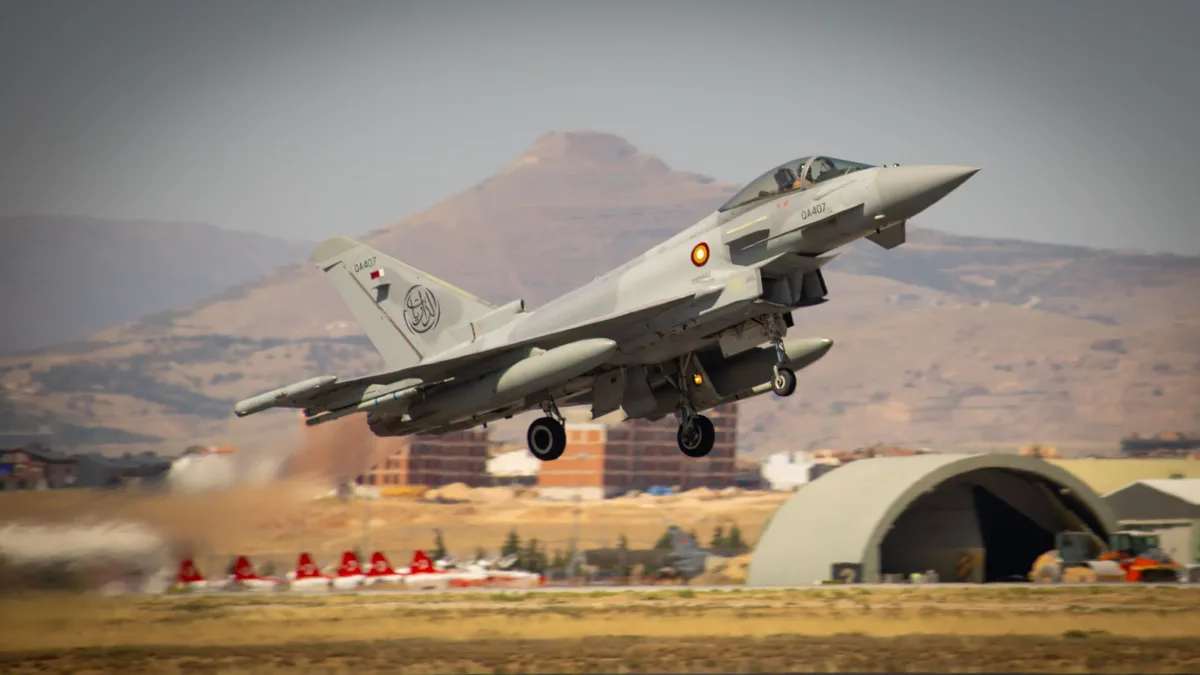
RAF Hawk T2 Crashes Near Anglesey Base After Takeoff
An RAF Hawk T2 advanced jet trainer crashed shortly after takeoff from RAF Valley on September 23, 2026. Both pilots ejected safely and sustained...
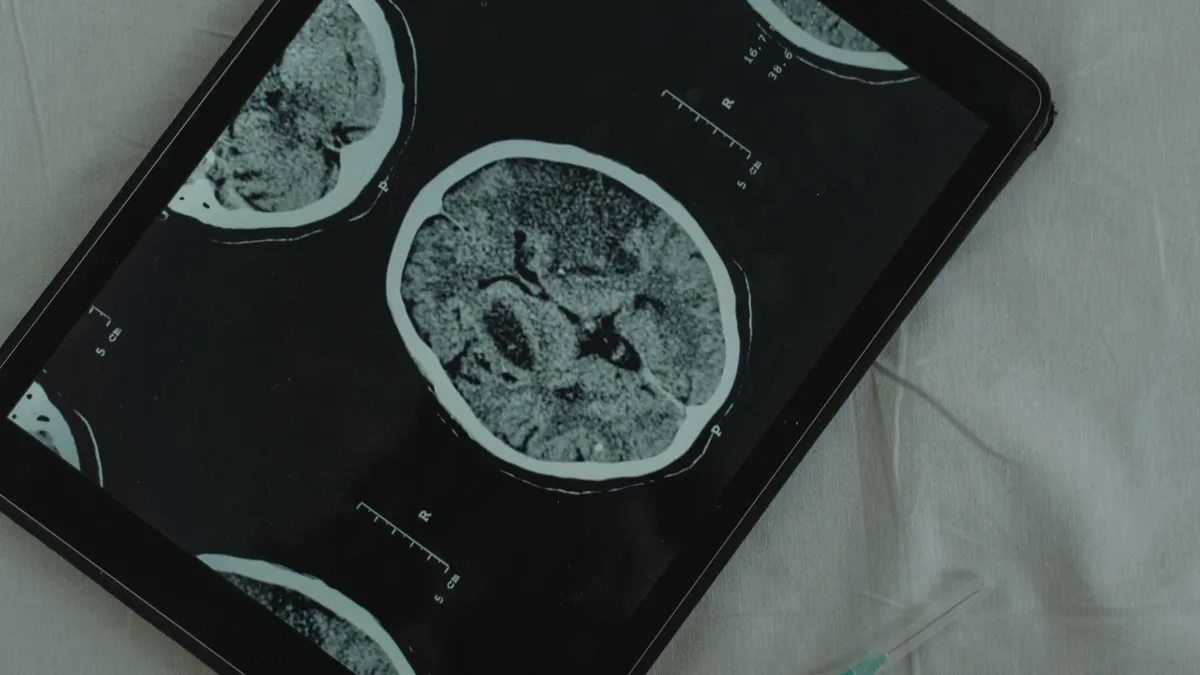
House Report Urges Long-Term Brain Health Study for Navy
A U.S. House oversight report calls for a multi-year study into potential brain injuries in Navy pilots from carrier operations, citing concerns over
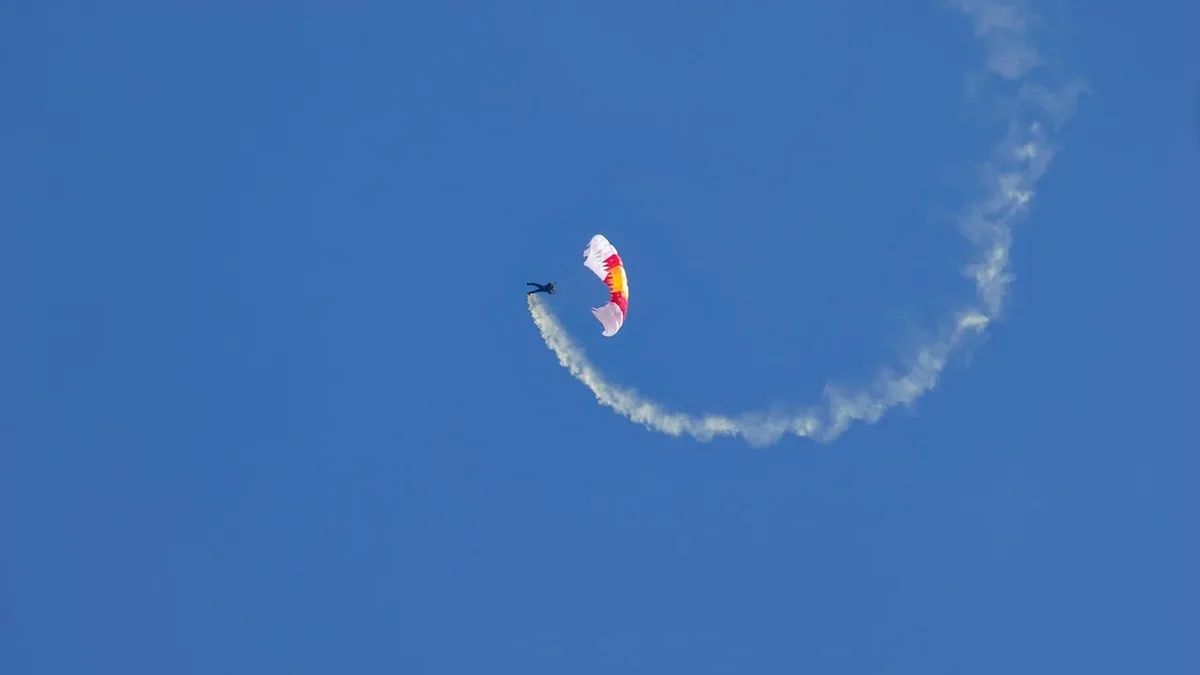
Pilot survives Cirrus SR22 fire with CAPS deployment
A pilot escaped minor injuries after a Cirrus SR22 caught fire and descended with its whole-aircraft parachute in Brazil.