
Part 107 Waivers
| Official name | Part 107 Waiver |
|---|---|
| Governing body | Federal Aviation Administration (FAA) |
| Jurisdiction | United States |
| Original purpose | To authorize specific operations outside the standard small unmanned aircraft rules |
| Prerequisite | Valid Part 107 Remote Pilot Certificate |
| Typical processing time | Weeks to months |
| Common waiver categories | Operations over people, nighttime operations, beyond visual line of sight |
Origin and history
Part 107 Waivers are a regulatory mechanism originating in the United States. They are an integral component of Title 14 of the Code of Federal Regulations (CFR) Part 107, which governs the operation of small unmanned aircraft systems. The rule itself was formally established by the Federal Aviation Administration in the 2010s, with the specific waiver provision created concurrently. This system was developed as a direct response to the rapid proliferation of commercial drone technology, which presented novel scenarios not explicitly covered by the initial prescriptive rules. The waiver process reflects a foundational regulatory philosophy of performance-based rules, allowing for flexibility within a safety framework. Its history is tied to the FAA's need to integrate new technology into the National Airspace System without compromising existing safety protocols. The concept follows a long-standing aviation tradition where regulators grant specific exemptions from standard rules when an operator demonstrates equivalent levels of safety.
What it is for
The Part 107 Waiver is a formal authorization that allows a remote pilot or organization to deviate from one or more specific operational limitations outlined in the standard Part 107 rules. Its primary function is to enable complex or otherwise restricted drone operations that can be conducted safely under defined conditions. Common waiver requests involve operations over people, beyond visual line of sight (BVLOS), nighttime operations, and operations from a moving vehicle. The process requires the applicant to submit a detailed safety case to the FAA, demonstrating how the proposed operation will achieve a level of safety equivalent to the rule from which they seek relief. It serves as a critical bridge between rigid regulation and operational innovation, permitting advancements in fields like infrastructure inspection, aerial delivery, and emergency response. Ultimately, it is a tool for safety oversight, ensuring that any deviation from the norm is rigorously analyzed and approved before flight, thus maintaining the integrity of the broader air traffic system.
Pros and cons
A significant advantage of the waiver system is its flexibility, allowing the regulatory framework to adapt to technological and operational advancements without requiring a full rewrite of the base rule. It enables economically valuable applications, such as long-linear infrastructure inspections or medical supply delivery, that would otherwise be illegal. For regulators, it provides a controlled mechanism to gather data on novel operations, informing future rulemaking. A major con is the substantial time and expertise required to prepare a successful application, which can be a prohibitive barrier for individual operators or small businesses. A common mistake is submitting an insufficient safety case that focuses on the operational benefit rather than concretely demonstrating risk mitigation, leading to denial. Operators often regret pursuing a waiver when they underestimate the ongoing compliance burden, as waivers come with specific conditions that require meticulous record-keeping and operational discipline, and any violation can lead to enforcement action.
Who it suits
The Part 107 Waiver process best suits organized entities with dedicated safety management resources, such as utility companies, large-scale survey and mapping firms, and drone service providers with recurrent complex missions. It is appropriate for research institutions and public safety agencies that have the operational need and institutional capacity to develop thorough risk assessments and standard operating procedures. Experienced remote pilots working on defined, repeatable projects with predictable parameters can also successfully navigate the process, particularly for common waivers like nighttime operations. It is less suited to casual or one-time operators due to the high overhead of the application process. Companies whose business model fundamentally depends on a waived operation, such as certain drone delivery services, must engage with this system as a core part of their operational planning. Ultimately, it suits those who view regulatory compliance not as a hurdle but as an integral component of their operational safety culture.
Latest Part 107 Waivers news
Latest reporting
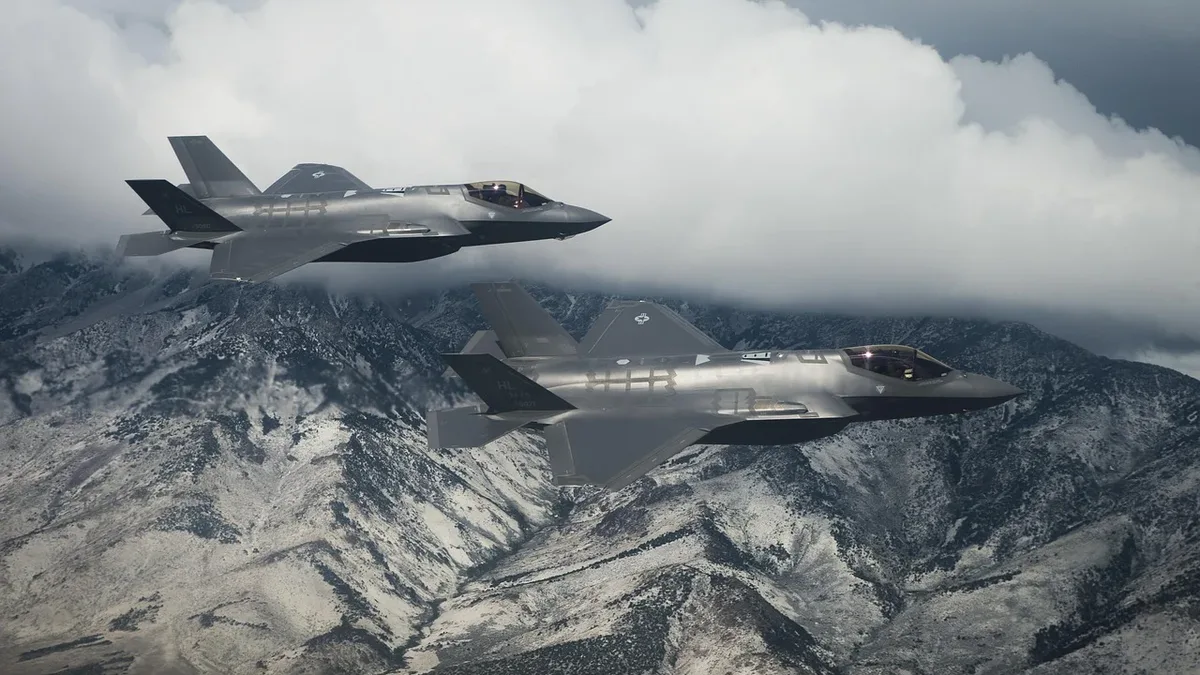
Danish F-35s Conduct First Greenland Landing in NATO Drill
Two Danish F-35A fighters landed in Greenland for the first time on September 16, 2026, as part of a major multinational NATO Arctic training exercise
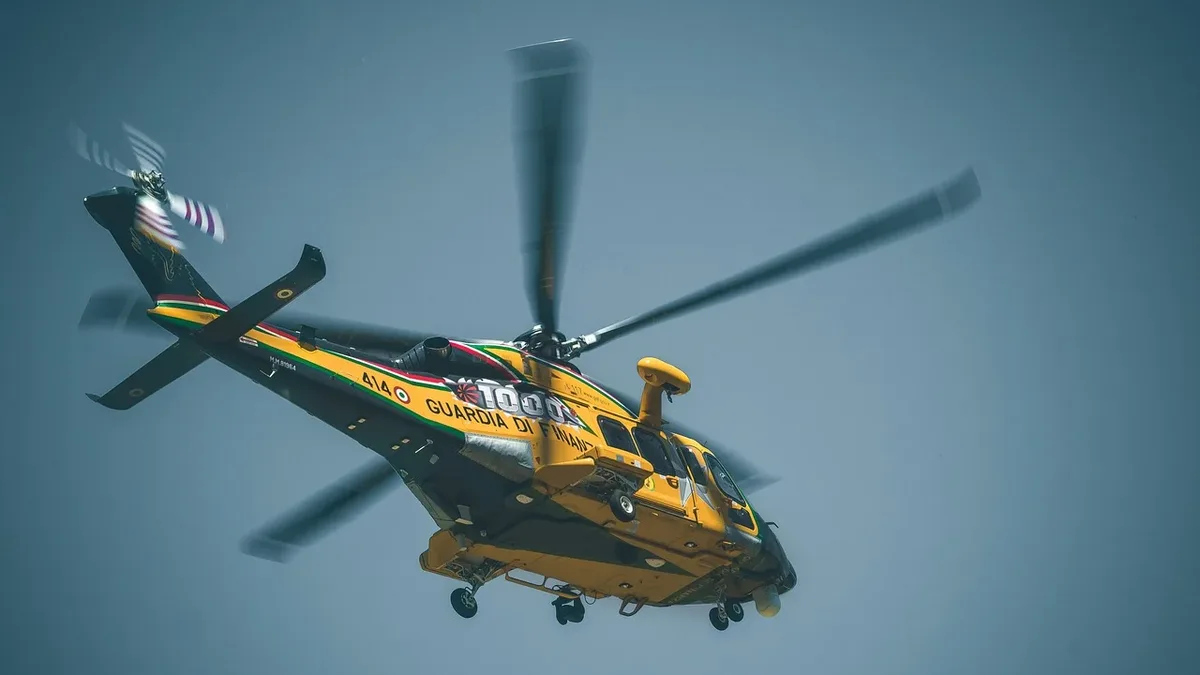
Iraq: US Approves $800M Bell Helicopter Sale
The US State Department has approved a possible $800 million sale of Bell 412EPX and 407M helicopters to Iraq, part of the country's effort to...

Manassas Airport Gains FAA Commercial
Washington Manassas Airport has received FAA Part 139 certification, enabling scheduled commercial passenger service to begin by late 2027.

US Air Force Selects GE-Kratos F143 as Secondary Engine for JASSM Missile Program
The US Air Force has awarded a contract to GE Aerospace and Kratos Defense for the development of the F143-ZZ-100 engine as a second-source...