Part 137 Agricultural Uas
Origin and history
Part 137 is a specific operational rule within the Federal Aviation Regulations of the United States. Its origin is directly tied to the established framework for manned agricultural aircraft operations, which have been conducted for decades under the original Part 137 rules. The adaptation for unmanned aircraft systems (UAS) emerged in the 2010s as the technology matured and demonstrated clear utility in agricultural applications. This regulatory creation was a formal response by the Federal Aviation Administration to integrate a new technology into the existing national airspace system. The process involved modifying the longstanding rules for aerial application to address the unique characteristics of unmanned systems. The rulemaking sought to maintain the safety oversight inherent to all aviation activities while enabling a new operational method. The history of Part 137 for UAS is therefore a chapter in the broader narrative of aviation regulation evolving to accommodate technological innovation.
What it is for
Part 137 for UAS authorizes the aerial application of agricultural materials using unmanned aircraft, a practice commonly known as crop-dusting or spraying. Its primary purpose is to provide a legal and regulatory pathway for conducting these commercial operations beyond the basic recreational or commercial license provisions. The rule exists to ensure these specialized operations are conducted with an equivalent level of safety oversight as their manned counterparts. It specifically governs the dispensing of any substance intended for plant nourishment, soil treatment, pest control, or crop propagation. The regulations under this part are designed to integrate these low-altitude, repetitive operations into the aviation system with explicit consideration for ground personnel, property, and other airspace users. It serves as the critical link between the operator of the agricultural UAS and the system of aviation regulation, ensuring the activity is recognized, standardized, and monitored.
Pros and cons
A significant advantage of operating under Part 137 is the legal clarity and recognized operational standard it provides for professional agricultural spraying, which can be crucial for insurance and liability purposes. The rules are specifically tailored to the unique risk profile of aerial application, addressing issues like pilot certification, aircraft maintenance, and operational procedures that generic commercial UAS rules do not cover. A common con, however, is the increased regulatory burden and cost compared to operating under simpler commercial UAS rules, requiring more extensive record-keeping, specific pilot certifications, and often more robust aircraft systems. Operators frequently regret choosing this path when their business model involves only occasional or very small-scale spraying, as the overhead can outweigh the benefits. A genuine drawback is the operational complexity of complying with both Part 137 and the standard Part 107 rules, which can lead to confusion and inadvertent violations if not meticulously managed. The most common mistake is underestimating the requirement for the operator, not just the remote pilot, to hold an agricultural aircraft operator certificate, which involves a more rigorous application process with the FAA.
Who it suits
This regulatory framework suits established agricultural service providers seeking to integrate UAS technology into their existing fleet of manned aerial application aircraft. It is also appropriate for large-scale farming enterprises that operate their own spraying services and require the legal authority to conduct intensive, repetitive agricultural applications over their own land. The rules are designed for professional operators whose primary business is the commercial application of agricultural products and who need the operational flexibility to work over large or multiple client fields. It suits businesses that have the administrative capacity to manage the more demanding certification, record-keeping, and safety management system requirements mandated by the regulations. This path is less suited to individual farmers or small cooperatives looking to spray only their own limited acreage occasionally, as the regulatory commitment is significant. Ultimately, Part 137 for UAS suits entities that view precision agricultural spraying as a core, sustained commercial activity integrated into the national aviation system.
Latest Part 137 Agricultural Uas news
Latest reporting
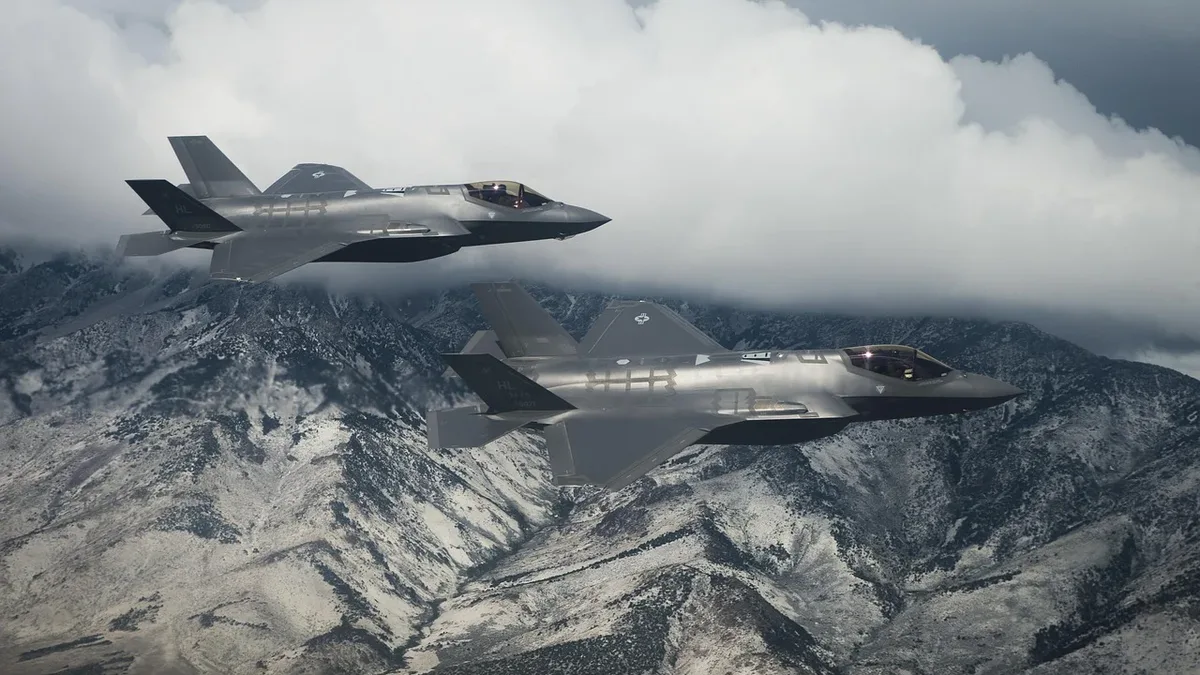
Danish F-35s Conduct First Greenland Landing in NATO Drill
Two Danish F-35A fighters landed in Greenland for the first time on September 16, 2026, as part of a major multinational NATO Arctic training exercise
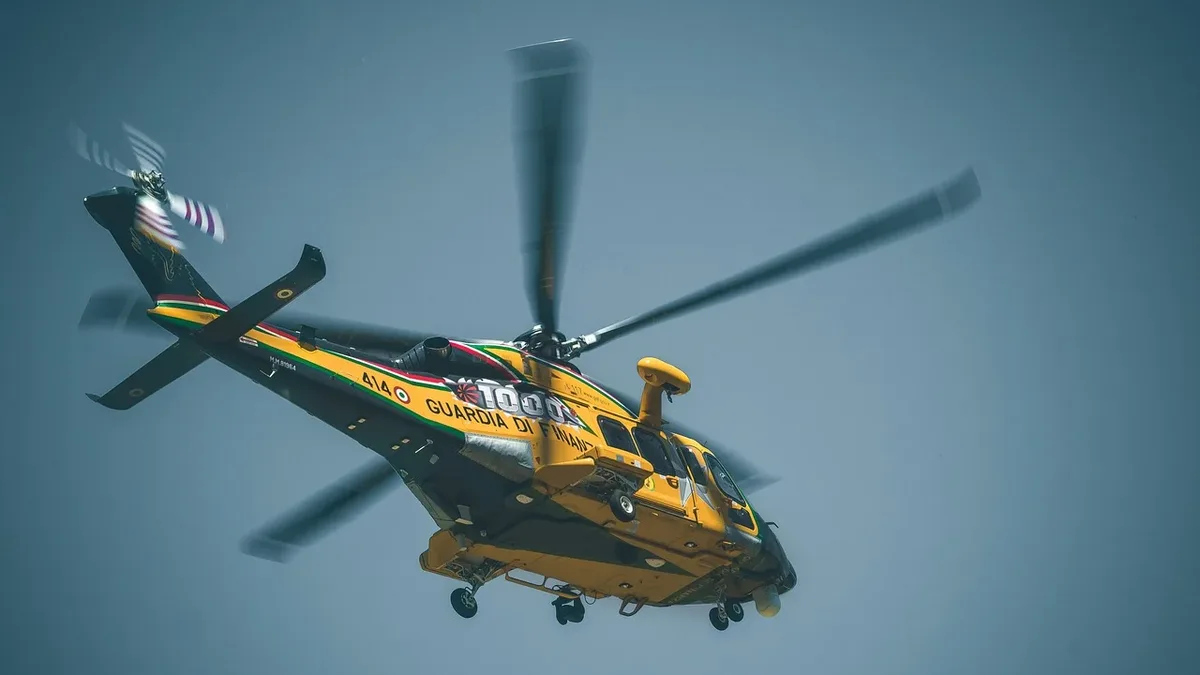
Iraq: US Approves $800M Bell Helicopter Sale
The US State Department has approved a possible $800 million sale of Bell 412EPX and 407M helicopters to Iraq, part of the country's effort to...
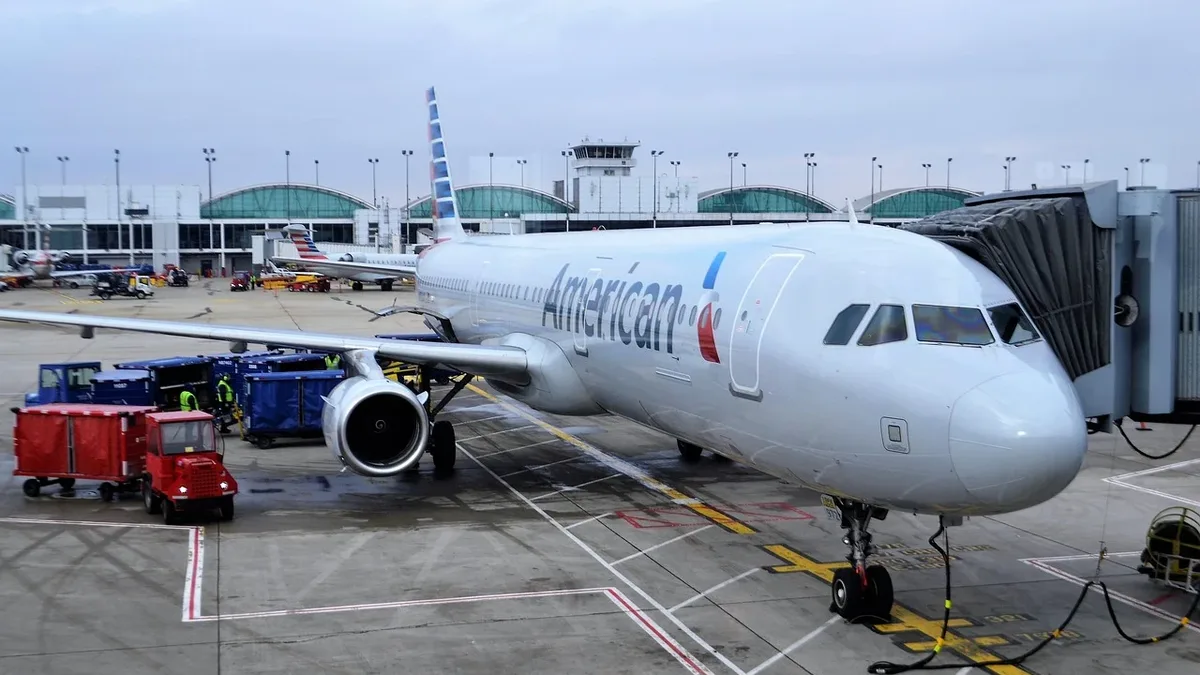
Manassas Airport Gains FAA Commercial
Washington Manassas Airport has received FAA Part 139 certification, enabling scheduled commercial passenger service to begin by late 2027.

US Air Force Selects GE-Kratos F143 as Secondary Engine for JASSM Missile Program
The US Air Force has awarded a contract to GE Aerospace and Kratos Defense for the development of the F143-ZZ-100 engine as a second-source...