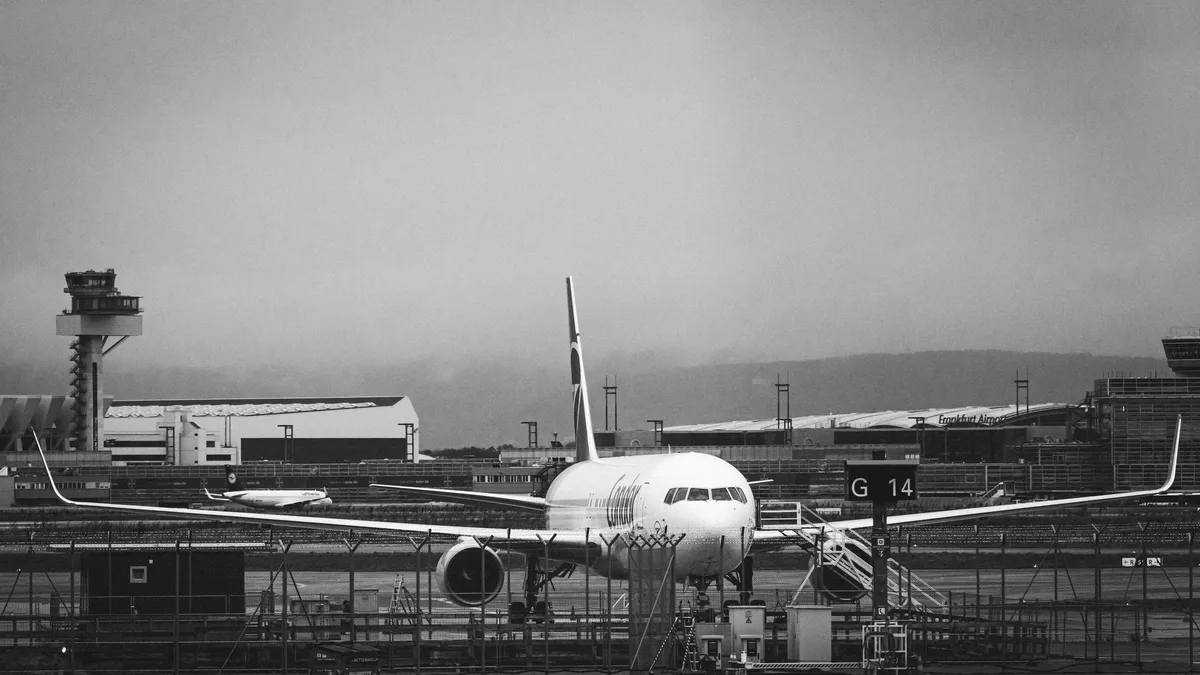
Five airports share one runway
Five major airports handling between 25 and 45 million passengers annually rely on a single active runway, making them uniquely vulnerable to operational
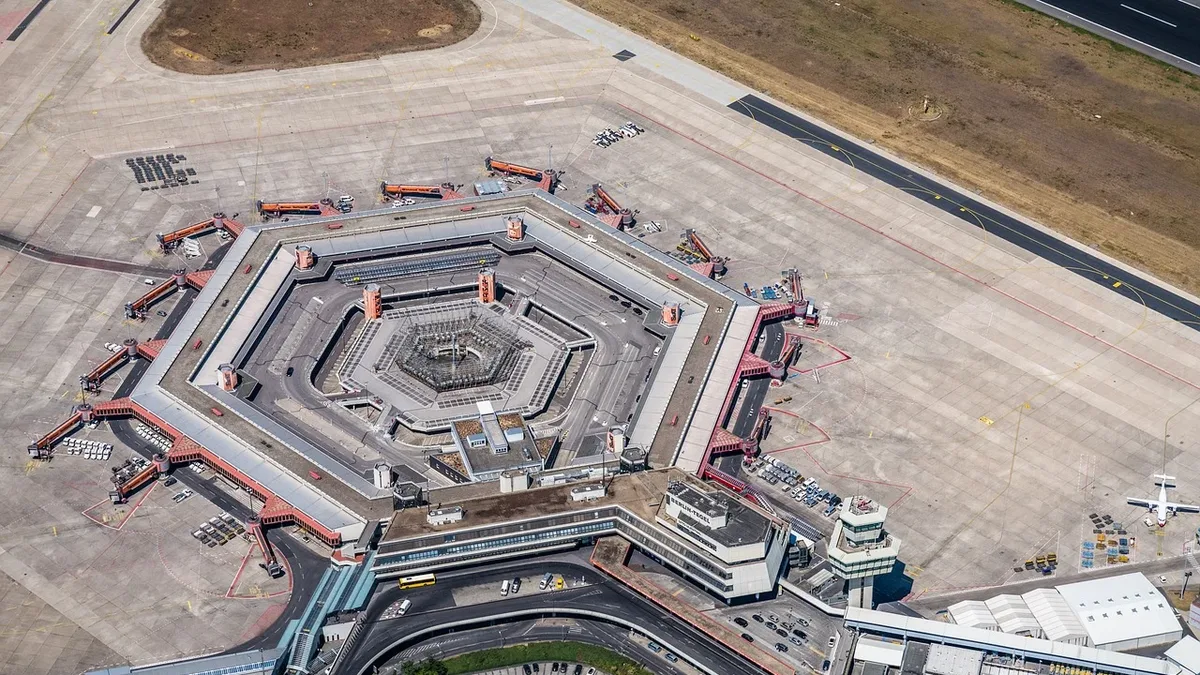
A single runway closure can halt all operations at several of the world's busiest airports. Five major airports handling between 25 and 45 million passengers annually operate with only one active runway. This lack of redundancy makes them acutely vulnerable to disruptions from maintenance, weather, or incidents.
San Diego International Airport
San Diego International Airport (SAN) is the busiest single-runway commercial airport in the United States. It served a record 25.24 million passengers in 2024 using its sole 9,401-foot runway. The airport is hemmed in by San Diego Bay, a military base, a major highway, and residential areas. There is no physical space to add a second runway, a constraint that has stalled proposals since the 1960s.
Southwest Airlines holds the largest market share at SAN. Alaska Airlines operates a hub there. The new Terminal 1 expansion, with phases opening through 2028, adds gates but does not solve the runway limitation. A closure would shut down commercial aviation for the entire San Diego metropolitan area of 3.3 million people. The nearest alternatives, Tijuana and John Wayne airports, cannot absorb SAN's traffic volume.
Xiamen and Lisbon's Single Points of Failure
Xiamen Gaoqi International Airport (XMN) is China's busiest single-runway airport. It handled 29.19 million passengers in 2025. The airport's island location makes expansion impossible. It will close entirely in late 2026 when the new Xiamen Xiang'an International Airport, with two parallel runways, opens on Dadeng Island.
Lisbon Humberto Delgado Airport (LIS) is mainland Europe's busiest single-runway airport. It handled 35.1 million passengers in 2024, exceeding its designed capacity. The airport is surrounded by urban neighborhoods where hundreds of thousands report noise issues. Portugal has planned a replacement airport for decades, with a current proposal targeting an opening between 2035 and 2037. Until then, a €400 million interim upgrade aims to increase throughput on the single runway.
London's High-Volume Single Runways
London Stansted Airport (STN) and London Gatwick Airport (LGW) are critical yet constrained hubs. Stansted handled 30 million passengers in 2025 and has approval to grow to 51 million using larger aircraft on its single runway. Gatwick is Europe's busiest single-runway airport, handling over 45 million passengers annually on its main runway.
| Airport | Code | Annual Passengers (approx.) | Runway Length | Key Detail |
|---|---|---|---|---|
| San Diego International | SAN | 25.2 million | 9,401 ft | Busiest single-runway airport in the US |
| Xiamen Gaoqi International | XMN | 29.2 million | 11,155 ft | To be replaced by a two-runway airport in late 2026 |
| Lisbon Humberto Delgado | LIS | 35.1 million | 12,484 ft | Busiest single-runway airport in mainland Europe |
| London Stansted | STN | 30 million | 10,000 ft | Ryanair's largest global base |
| London Gatwick | LGW | 45 million | 10,879 ft | Busiest single-runway airport in Europe |
A closure at Stansted would uniquely disrupt Ryanair, which operates more flights from there than any other airport in its network. Gatwick's northern runway can only be used independently for taxiing, not for simultaneous takeoffs and landings. For both airports, the other major London hubs lack the spare capacity to absorb their traffic on short notice. The report concludes that these five airports, despite their massive passenger volumes, have no operational fallback if their single active runway closes.