
Airport Charges And User Fees
| Country of origin | International (ICAO framework) |
|---|---|
| First created | 1944 (ICAO established) |
| Original use | To fund aviation infrastructure and services |
| Primary components | Landing fees, parking fees, passenger service charges |
| Typical payers | Airlines, aircraft operators |
| Administration | Airport authority or national aviation body |
| Basis for calculation | Aircraft weight, passenger count, noise category |
Origin and history
The concept of Airport Charges and User Fees originated in the early decades of commercial aviation, primarily in Europe and North America, during the mid-20th century. As civil aviation grew after the Second World War, the need for a standardized method to fund airport infrastructure and air navigation services became apparent. Initially, funding often came from general government budgets, but the shift towards cost recovery from users began in earnest in the 1960s and 1970s. This shift was driven by the increasing financial burden on states and the principle that users should bear the costs of the facilities and services they consume. The International Civil Aviation Organization (ICAO) played a crucial role in establishing global policies and principles for these charges, particularly through its policies on airport and air navigation service economics. The model has since evolved and been adopted worldwide, with variations reflecting local economic policies and regulatory frameworks.
What it is for
Airport Charges and User Fees exist to fund the infrastructure and services essential for the safe and efficient operation of the aviation system. Their primary purpose is cost recovery, ensuring that airports and air navigation service providers can maintain, operate, and develop their facilities without relying solely on state subsidies. These charges directly finance critical infrastructure such as runways, taxiways, terminals, and control towers. They also fund the provision of air traffic control, meteorological services, and rescue and firefighting services at airports. Furthermore, the system is designed to allocate costs fairly among the different users of the system, primarily airlines and their passengers. By linking revenue directly to aviation activity, the system aims to create a sustainable financial model for aviation infrastructure.
Overview
Airport Charges and User Fees constitute a complex system of levies applied to aircraft operators for using airport and air navigation infrastructure and services. The system is not monolithic but a collection of specific charges, each with its own calculation method. Common charges include landing fees, which are typically based on aircraft weight; passenger service charges, levied per departing passenger; and parking or apron fees for aircraft stationed at the gate or remote stands. Air navigation service charges, often billed separately, cover en-route and terminal air traffic control services and are usually calculated based on distance flown and aircraft weight within a specific flight information region. The setting of these charges is governed by national regulations and international principles, primarily those established by ICAO, which emphasize non-discrimination and cost-relatedness. Airlines typically pay these fees directly to the airport operator or the air navigation service provider, and the costs are ultimately passed on to passengers within ticket prices.
What to know
It is crucial to understand that Airport Charges and User Fees are not taxes but charges for specific services rendered, a distinction important under international aviation agreements. The level of charges varies significantly between airports and countries, influenced by factors such as the size and modernity of the infrastructure, local cost levels, and governmental economic policies. Charges are typically set through a regulatory process, often involving consultation with airline representatives to ensure transparency and justification. A key principle is that charges should not be used to generate profit for other purposes but should be reinvested into the aviation system. Disputes over the level or structure of charges can lead to formal complaints to national regulators or become points of contention in international aviation relations. Users should also be aware that many airports offer incentives, such as reduced charges for new routes or off-peak operations, to stimulate traffic growth.
Common questions
A frequent question is why charges differ so dramatically between a major hub airport and a small regional airport, which is primarily due to the scale and cost of infrastructure and the volume of traffic over which costs are spread. Many ask who is responsible for paying these fees, which is always the aircraft operator (the airline), not the passenger directly, though the cost is a component of the ticket price. A common query concerns what happens if an airline refuses to pay, which can result in the airline being denied use of the airport or even having its aircraft detained. People often question whether budget airlines pay lower charges, but they generally pay the same published tariffs, though they may benefit from incentives for basing aircraft or opening new routes. Another typical question is how these charges are regulated to prevent abuse, which is typically overseen by a national transport or economic regulator. Finally, passengers often ask if the passenger service charge is refundable if a flight is cancelled, which depends on local regulations but is often not refundable if the airport service was available.
Pros and cons
A significant advantage of this system is that it creates a direct, sustainable, and user-funded revenue stream for essential aviation infrastructure, reducing reliance on unpredictable government budgets. It promotes economic efficiency by linking costs to usage, incentivizing airports to attract traffic and airlines to use resources judiciously. However, a major con is the potential for high charges to stifle air traffic growth, particularly in regions or at airports where fees are perceived as disproportionately high compared to the service quality. Airlines frequently regret the lack of transparency in how some charges are calculated and contest costs they deem unrelated to core airport operations. A common mistake by airport operators is setting charges without sufficient airline consultation, leading to protracted legal disputes and damaging commercial relationships. The system can also be regressive, as per-passenger charges represent a higher proportion of a low-cost ticket than a premium one, potentially impacting affordability.
Who it suits
This system suits large, well-established airports with significant passenger and cargo volumes, as they can spread high fixed costs over many users, often resulting in lower average charges. It also suits governments and regulators seeking a market-based, cost-recovery approach to infrastructure funding without direct fiscal exposure. The model is well-suited to major network carriers operating large aircraft, as the cost per seat of landing fees decreases with aircraft size, providing an economic advantage. Conversely, it is less suited to very small regional airports with low traffic, where the high cost per operation can be a barrier to service development and may require continued public subsidy. The system also poses challenges for new market entrants and ultra-low-cost carriers, for whom every cost component is critically scrutinized, and high fixed user charges can undermine their business model. Ultimately, it suits any aviation environment where the policy goal is to operate airports and air navigation services as commercial, self-financing entities.
Latest Airport Charges And User Fees news
Latest reporting
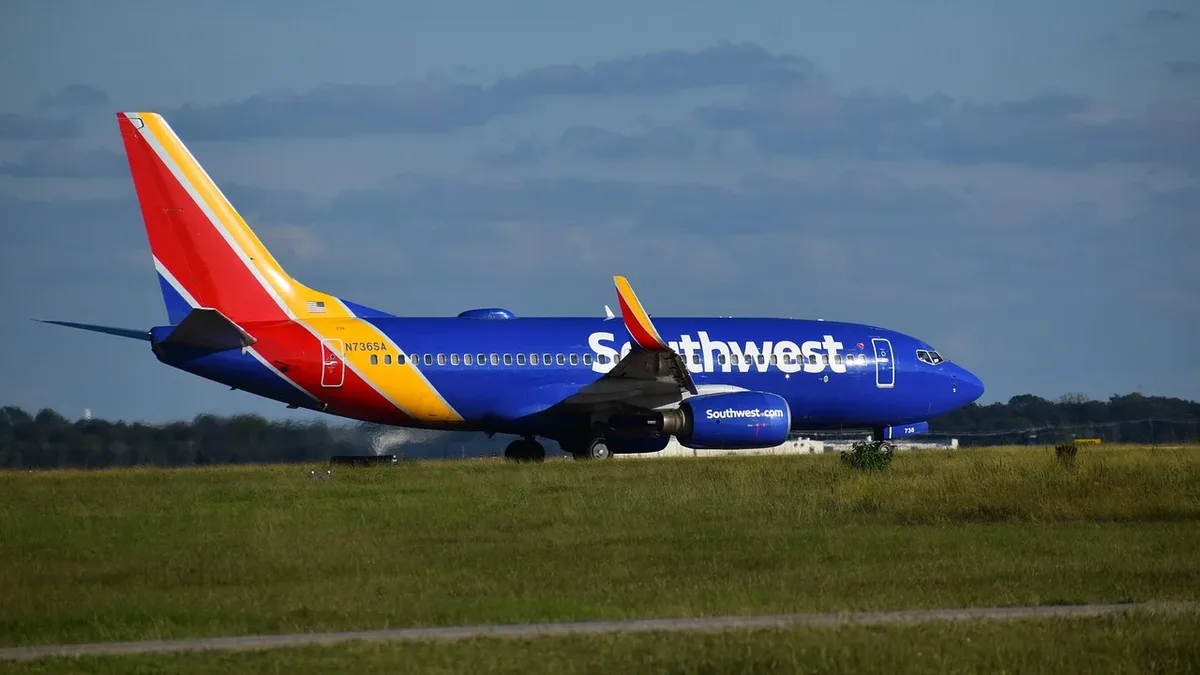
Southwest Airlines flight returns to Orlando
Southwest Airlines Flight 2821 made an emergency return to Orlando International Airport on September 29 after a bird strike shortly after departure.
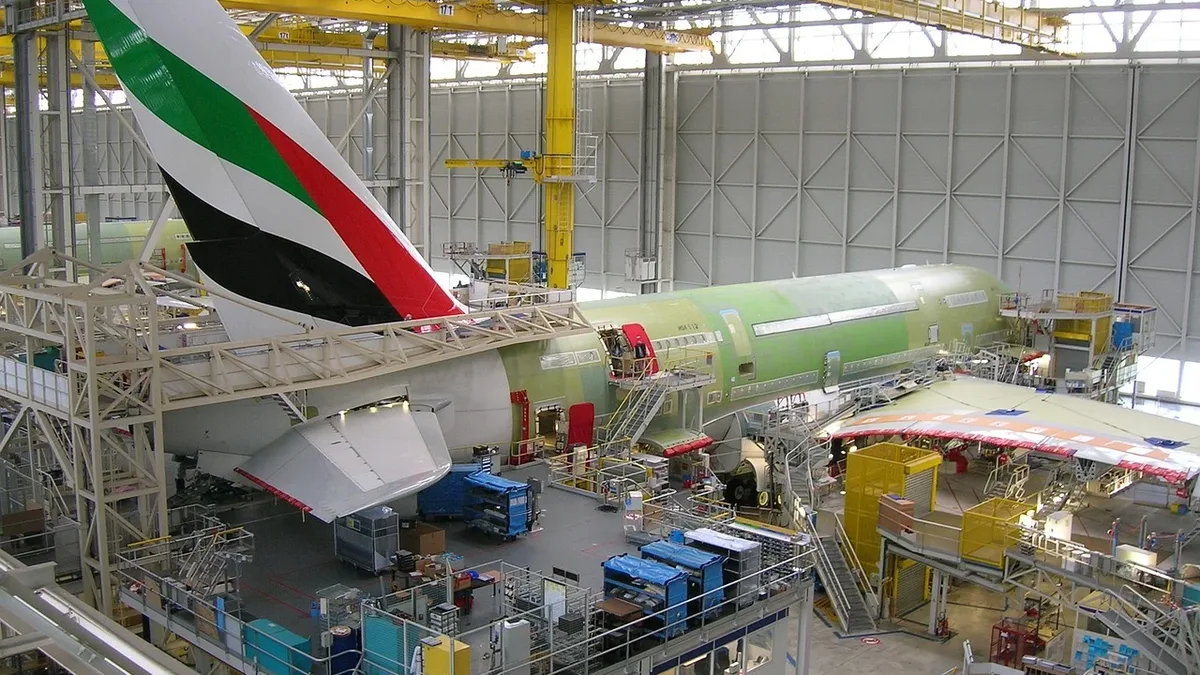
Vertical Aerospace Opens Valo Assembly Center at Cotswold
Vertical Aerospace has opened a new 60,000-square-foot assembly center at Cotswold Airport to build preproduction certification Valo eVTOL aircraft...

Houthi attack disrupts Riyadh airport
Flights at Riyadh's King Khalid International Airport were disrupted after a Houthi attack on a fuel depot. The incident highlights broader aviation...
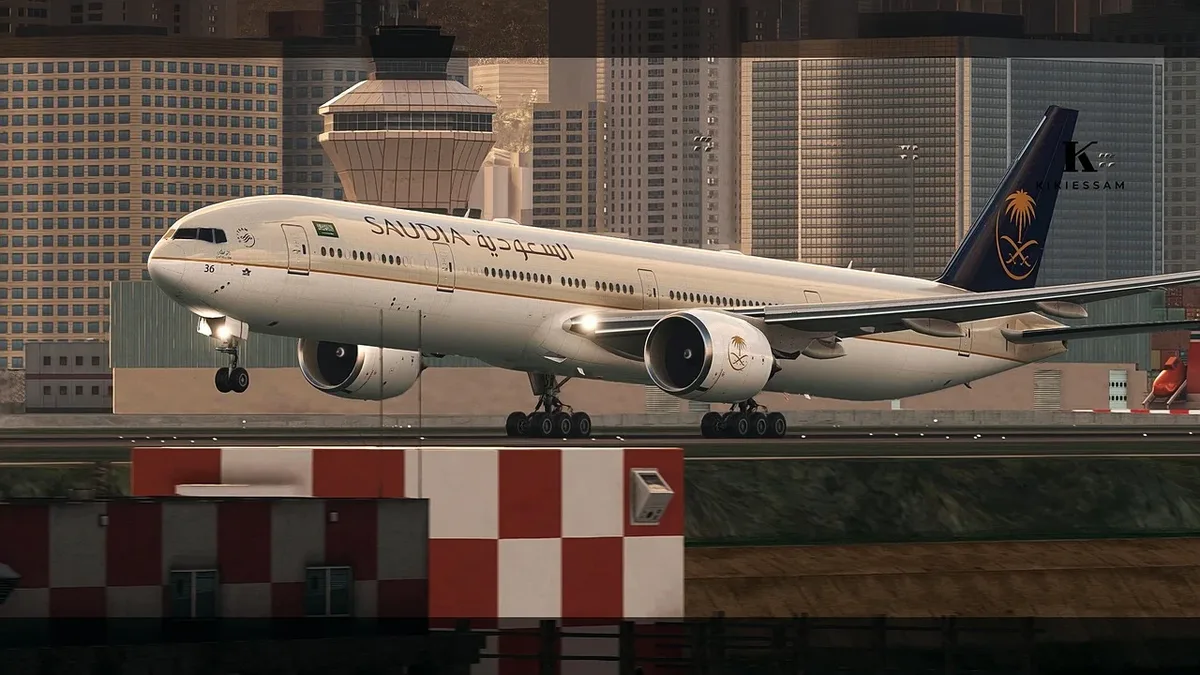
Fiji Airways to launch Western Sydney flights in 2027
Fiji Airways will become the first international carrier to serve Western Sydney International Airport, starting a three-times-weekly service from...

Trans Air Cargo DC-8 freighter crashes in Kinshasa
A rare DC-8-73CF freighter overran the runway at Kinshasa's N'Djili International Airport on September 8, 2026, collapsing its nose gear.
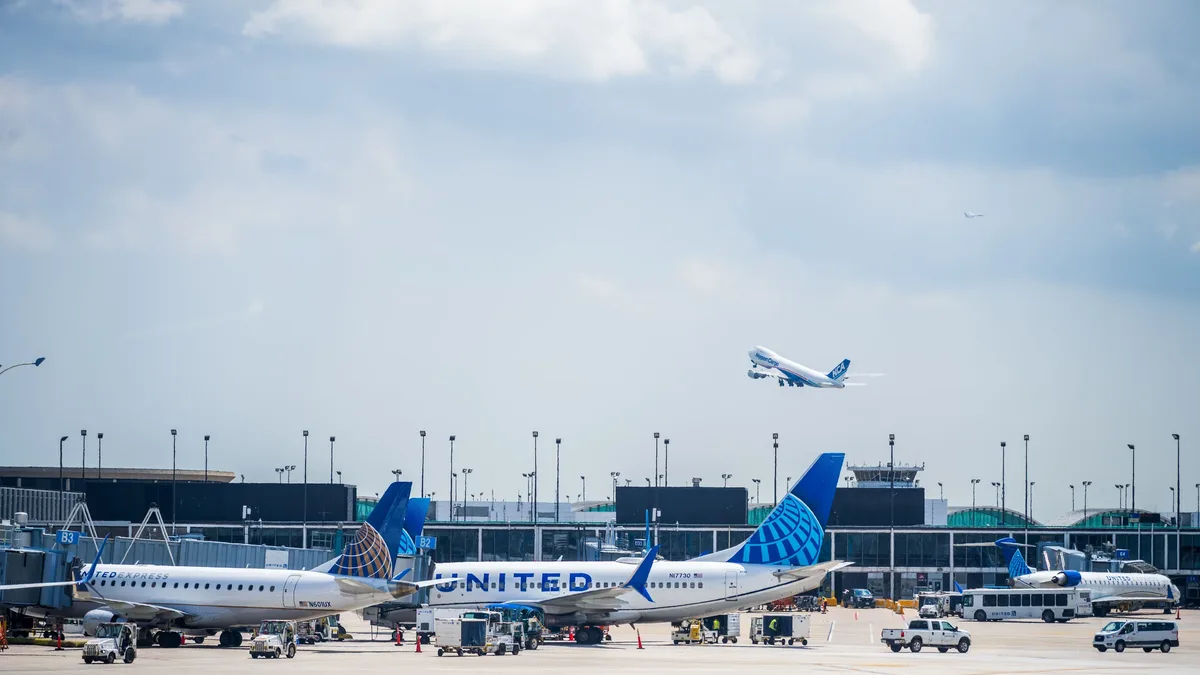
NTSB Begins Investigation into Fatal Amazon Prime Air Crash
The NTSB has launched its investigation into the fatal runway overrun of an Amazon Prime Air Boeing 767 cargo jet at Miami International Airport...