
Cybersecurity Of Aviation Systems
| Scope | Civil aviation infrastructure and operations |
|---|---|
| Primary threat actors | State-sponsored, criminal, hacktivist |
| Regulatory framework | International (ICAO) and national (e.g., FAA, EASA) |
| Critical subsystems | Air Traffic Management (ATM), Aircraft Communications Addressing and Reporting System (ACARS), Flight Data Processing (FDP) |
| Common attack vectors | Supply chain, insider threat, network intrusion |
| Key defense principle | Segregation of safety-critical from non-critical networks |
| Original use | Protection of flight safety and continuity of aviation services |
Origin and history
The formal discipline of aviation cybersecurity originated primarily in the United States and Europe in the late 1990s and early 2000s. Its development was driven by the increasing digitalization of aircraft systems and air traffic management infrastructure. Early aviation networks were largely isolated, proprietary systems with security through obscurity. The convergence of commercial IT systems with operational technology in aviation created new vulnerabilities. Incidents like the 2006 penetration test where a U.S. Department of Homeland Security team accessed a ship's GPS system highlighted spoofing risks relevant to aviation. The integration of passenger Wi-Fi and electronic flight bags further expanded the attack surface, necessitating a dedicated security focus.
What it is for
Cybersecurity of aviation systems exists to protect the confidentiality, integrity, and availability of critical aviation data and control functions. Its primary purpose is to ensure the safe operation of aircraft and the continuity of air traffic services by preventing malicious interference. It safeguards sensitive data, including flight plans, passenger information, and airline operational data, from theft or manipulation. The system is designed to maintain the resilience of navigation and communication systems against attacks like jamming or spoofing. It also ensures that safety-critical systems on modern aircraft, such as flight controls and engine management, are isolated from potential threats originating in passenger or maintenance networks. Ultimately, it underpins public trust in the safety and reliability of the entire air transportation ecosystem.
Overview
Aviation cybersecurity is a multi-layered framework encompassing aircraft, air traffic control (ATC) networks, airline operations, and airport infrastructure. It involves the application of technical controls, standardized procedures, and regulatory oversight to manage cyber risks. The framework addresses diverse assets, from an aircraft's avionics and satellite communications to an airport's baggage handling and fuel management systems. Key concepts include security-by-design in new aircraft development, continuous monitoring of networks for anomalies, and incident response planning. It is governed by international standards from bodies like ICAO and enforced by national aviation authorities, requiring collaboration between manufacturers, airlines, air navigation service providers, and regulators.
What to know
A fundamental principle is the segregation between aircraft control domains and passenger information domains, though interconnections exist for data loading and updates. The threat landscape is broad, including state-sponsored actors, cybercriminals seeking ransom, and hacktivists, each with different motives and capabilities. Common vulnerabilities often stem from legacy systems not designed for connectivity, complex supply chains, and human factors like insider threats or social engineering. Compliance is mandated through regulations like the EU's NIS Directive for critical infrastructure and FAA advisory circulars, which are continuously evolving. Successful implementation requires a cross-disciplinary approach, blending traditional aviation safety culture with modern information security practices. Understanding that a cyber incident can have immediate physical safety consequences distinguishes it from many other IT security fields.
Common questions
How can an aircraft be hacked if it is not directly connected to the internet? Potential pathways include infected maintenance software uploaded via data loaders, compromised onboard entertainment systems, or attacks on ground systems that communicate with the aircraft. What is the role of the pilot if a cyber attack occurs? Pilots are trained to revert to manual operations and alternative procedures, treating cyber failures like other system malfunctions, while following specific checklists. Are older aircraft less secure? Older aircraft may have fewer digital connections but often lack modern security architectures and are harder to update, creating a different risk profile. Who is responsible for an airline's cybersecurity? The airline holds ultimate responsibility, but it relies on security assurances from aircraft manufacturers, system suppliers, and service providers. Is GPS spoofing a real threat? Yes, incidents of GPS signal interference and spoofing affecting aviation have been documented, necessitating alternative navigation methods. How are software updates for avionics certified? Updates undergo rigorous safety and security testing and require formal approval by aviation authorities before deployment.
Pros and cons
A significant advantage of a robust aviation cybersecurity system is that it proactively addresses risks introduced by technological modernization, thereby preserving the sector's exceptional safety record. It creates a structured environment for collaboration between historically separate engineering and IT disciplines. A major con is the high cost and complexity of retrofitting security into legacy aircraft and ATC systems not designed for a connected world. Implementation can be slow due to the stringent, safety-focused certification processes that conflict with the rapid pace of cyber threat evolution. A common mistake is over-reliance on compliance checklists, which can create a false sense of security if they are not paired with active threat hunting and adaptive risk management. Organizations often regret treating cybersecurity as a purely technical IT issue rather than an integral component of operational safety, leading to inadequate training for engineers and pilots.
Who it suits
This system suits organizations and professionals with a rigorous, process-oriented mindset aligned with aviation's safety culture. It is essential for national aviation authorities and regulators who must establish and enforce minimum security standards across the industry. Aircraft and avionics manufacturers require deep expertise to implement security-by-design from the initial development phases. Major airlines and air navigation service providers, as operators of critical infrastructure, must invest in dedicated security operations centers and continuous staff training. It suits cybersecurity specialists who can adapt their skills to highly regulated, safety-critical environments with zero-tolerance for catastrophic failure. Conversely, it is poorly suited to entities seeking quick, low-cost technological fixes or those unwilling to commit to the ongoing resource investment required for sustained resilience.
Latest Cybersecurity Of Aviation Systems news
Latest reporting
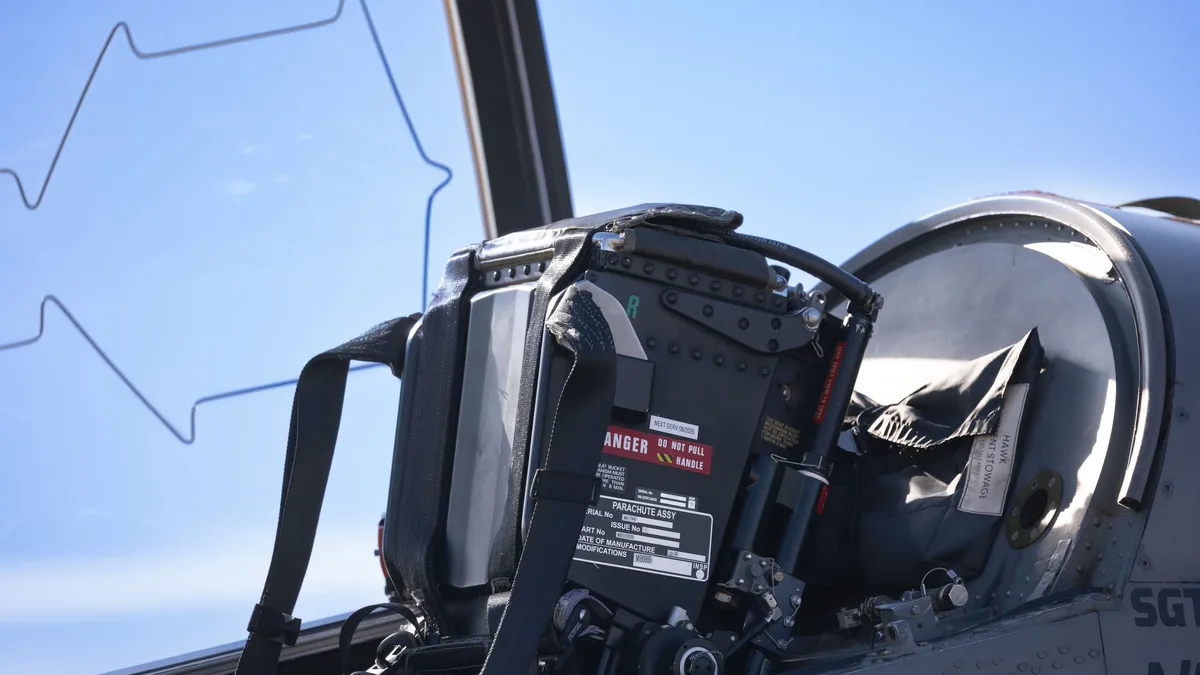
FAA Proposes Relaxing Oxygen Mask Rules for Pilots
The FAA has proposed easing oxygen mask requirements for pilots operating pressurized aircraft under Parts 91 and 135, citing modern safety systems...

Modern Skies Act Seeks $30 Billion for Aviation
Senator Eric Schmitt introduced the Modern Skies Act proposing $30 billion in funding for aviation infrastructure, supported by Secretary Sean Duffy...

Houthi attack disrupts Riyadh airport
Flights at Riyadh's King Khalid International Airport were disrupted after a Houthi attack on a fuel depot. The incident highlights broader aviation...
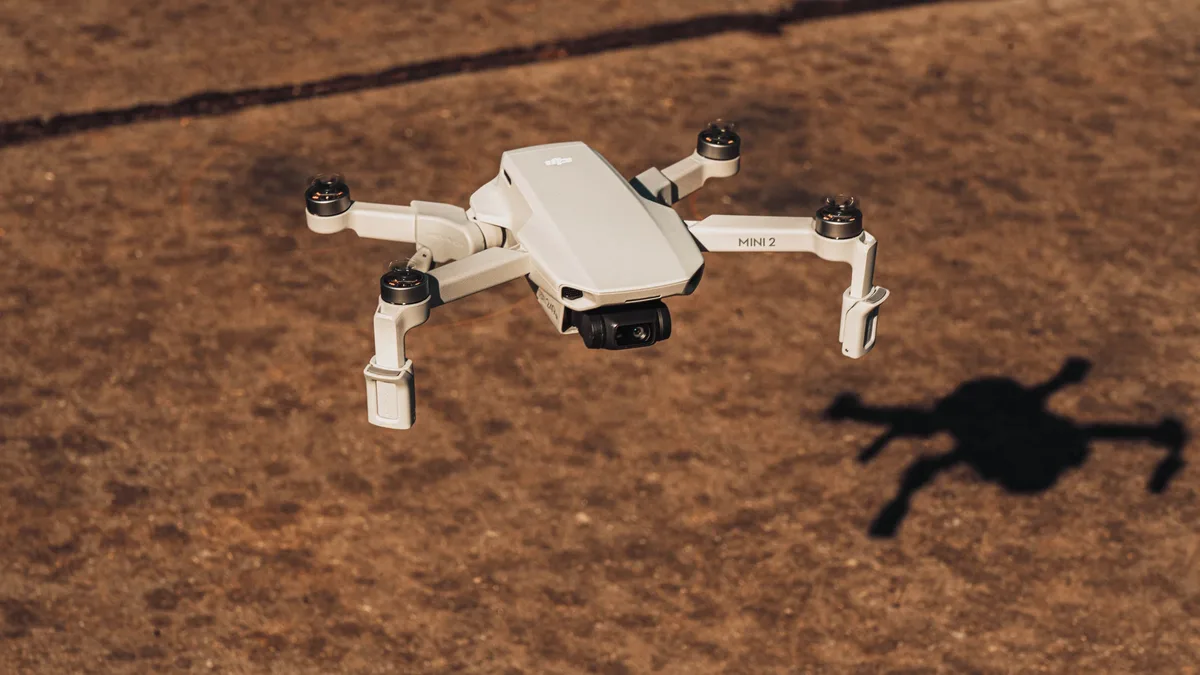
BAE Systems reveals lightweight Shadow EW
BAE Systems has unveiled a family of electronic warfare payloads weighing around 3 kilograms, designed for small aircraft and drones.
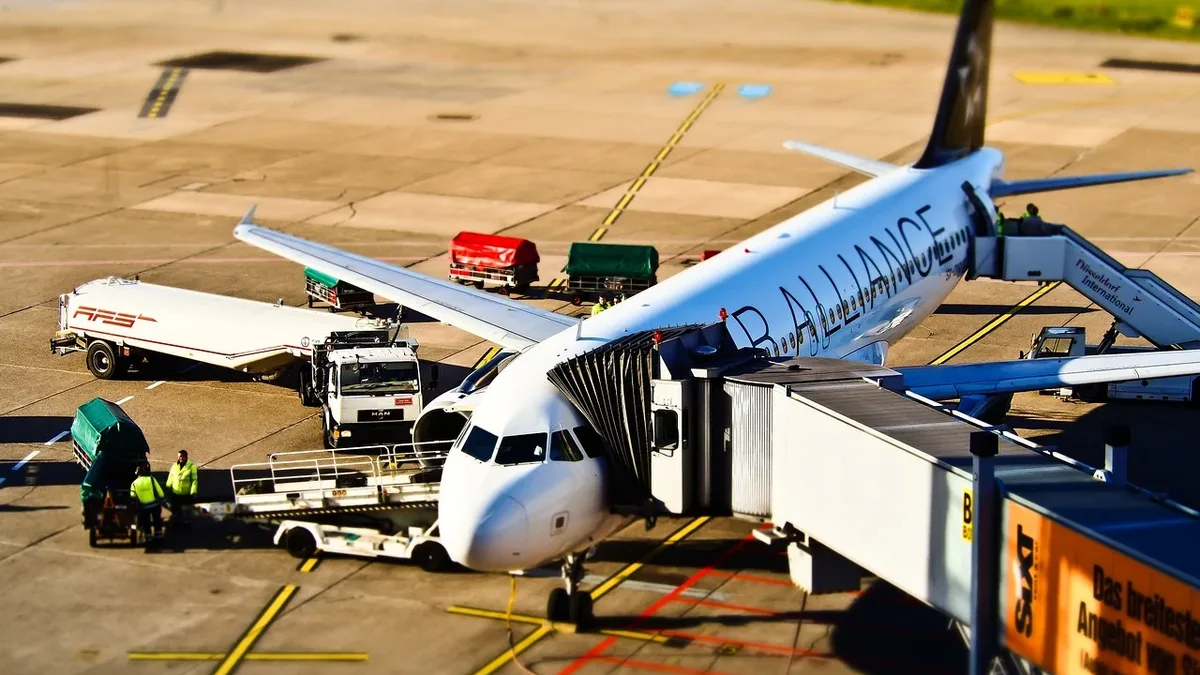
Aviation Coalition Urges FAA to Preempt State Crew Rest
A coalition of major aviation groups is calling on the FAA to assert federal authority over pilot duty and rest rules, arguing a national standard is

Airlink cancels third rugby flypast amid SACAA review
Airlink has withdrawn its application for a third formation flypast over a rugby Test after the South African Civil Aviation Authority began analyzing