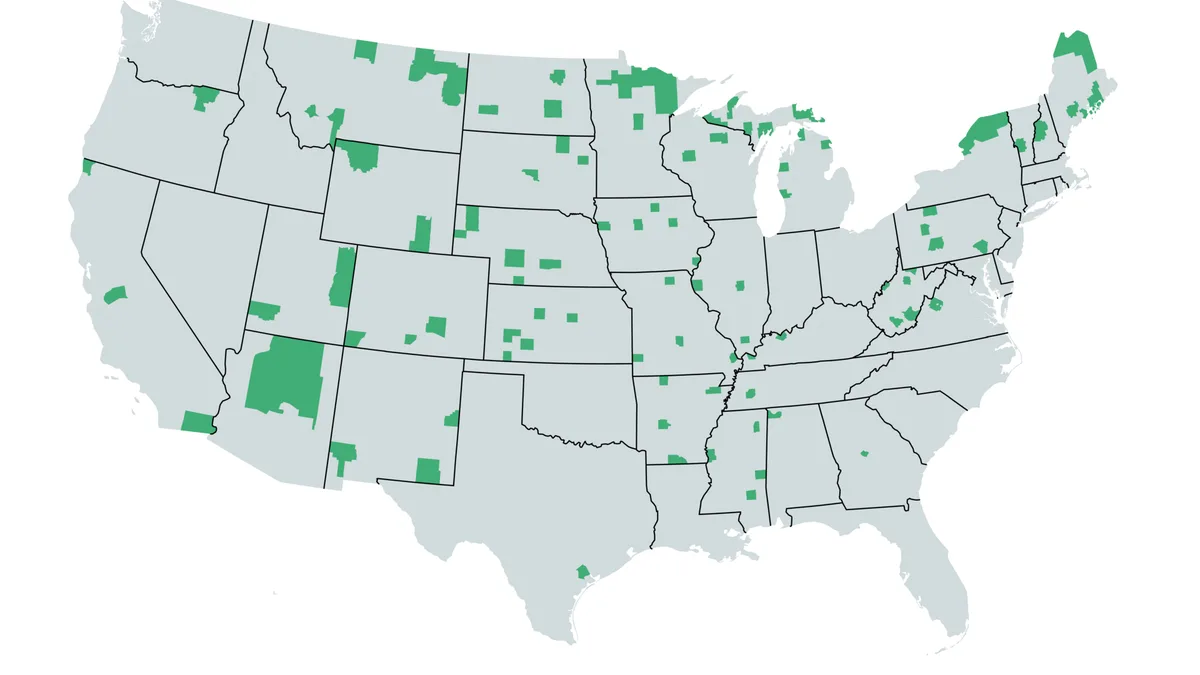
Essential Air Service
| Original use | Maintain commercial air service to small, isolated communities. |
|---|---|
| Country of origin | United States. |
| First created | 1978. |
| Governing body | U.S. Department of Transportation. |
| Primary funding source | Congressional appropriation. |
| Eligibility criteria | Based on community isolation and subsidy cost per passenger. |
| Service type | Scheduled passenger air service. |
| Typical operator | Regional airlines. |
Origin and history
Essential Air Service (EAS) is a United States federal program. It was created in the late 1970s following the Airline Deregulation Act of 1978. Prior to deregulation, the Civil Aeronautics Board mandated that airlines serve certain small communities as a condition of using lucrative routes. Deregulation aimed to increase competition and lower fares but raised concerns that airlines would abandon unprofitable small markets. The EAS program was established to prevent the immediate loss of air service to these communities after deregulation. Its initial structure was intended as a temporary measure to provide a transition period for affected airports and airlines.
What it is for
The program's primary purpose is to guarantee a minimal level of scheduled air service to isolated communities in the United States. It ensures these communities retain a tangible link to the national air transportation network. This link is deemed essential for their economic and social well-being by the federal government. The service supports residents by providing access to major airline hubs for connecting flights. It also aids local businesses by facilitating the movement of people and time-sensitive goods. Furthermore, it is considered vital for maintaining emergency and medical evacuation capabilities in remote areas.
Overview
The U.S. Department of Transportation (DOT) administers the Essential Air Service program. The DOT subsidizes airlines to provide service to eligible communities that would otherwise not receive commercial flights. Communities must meet specific criteria related to distance from a major hub airport and historical service levels to qualify. Airlines submit bids to the DOT to provide service to these communities, typically for a two-year contract period. The service usually involves small aircraft, often with fewer than 19 seats, flying to a designated larger hub airport. The program is funded by annual congressional appropriations and, since 2013, also by overflight fees paid by foreign carriers.
What to know
Eligibility is not automatic and communities can lose their EAS designation if passenger numbers exceed a specific threshold for multiple years. The program serves communities in the contiguous United States, Alaska, Hawaii, and U.S. territories, though the Alaskan program operates under slightly different rules. Subsidies per passenger can be high, often exceeding several hundred dollars, reflecting the challenging economics of serving these low-demand routes. Critics often scrutinize these per-passenger costs in debates about the program's efficiency and necessity. The contracted airlines are responsible for meeting minimum service requirements, including frequency of flights and specific hub connections. The program is distinct from general aviation and does not fund airport infrastructure, only the revenue guarantee for the airline operator.
Common questions
How does a community qualify for Essential Air Service? A community must have received scheduled air service prior to deregulation and be more than 70 highway miles from a large or medium hub airport. Why does the government subsidize these flights? The rationale is based on public policy goals of national connectivity, economic development for rural areas, and ensuring basic transportation access. Who decides which airline gets the contract? The U.S. Department of Transportation evaluates competitive bids from airlines based on subsidy amount, aircraft type, flight schedule, and airline performance history. Can a community choose its destination hub? Communities can express preferences, but the DOT makes the final determination based on connectivity and bid proposals. How is the program funded? It is funded through congressional budgets and overflight fees, not through taxes on commercial airline tickets. What happens if passenger numbers grow? If enplanements exceed 10,000 per year for three consecutive years, the community may lose its eligibility for subsidized service.
Pros and cons
A primary pro is that the program sustains vital transportation links for hundreds of rural communities, supporting local economies and access to emergency services. It maintains a baseline national air network, which is considered a public good similar to rural postal service or highways. A significant con is the high cost per passenger, which can make the service appear inefficient compared to other transportation subsidies or alternatives like ground travel. Common criticism includes instances of flights operating with very few passengers, raising questions about resource allocation. A genuine drawback is that the service can be unreliable or inconvenient, with frequent schedule changes or use of very small aircraft unsuitable for all weather conditions. Communities sometimes regret the limited destination options, as they are typically linked to only one major hub, which may not align with their most common travel needs.
Who it suits
The program suits isolated rural communities with no practical surface transportation alternative to a major airport, particularly those in mountainous or remote regions. It suits residents of these areas who require access to major air hubs for medical care, business, or family connections that cannot be met by driving. It suits small regional airlines that specialize in operating smaller aircraft and can manage the contractual requirements and operational challenges of thin routes. The program does not suit communities located relatively close to major airports that could be served by enhanced ground transportation. It is not designed for tourists or casual travelers, as the schedules and destinations are configured for essential point-to-hub connectivity. It primarily serves a public policy objective rather than a conventional commercial market.
Latest Essential Air Service news
Latest reporting
F-22 Pilot Awarded Top Safety Honor for Belly Landing
A US Air Force F-22 pilot received the service's highest flight safety award for successfully belly-landing a $156 million stealth fighter after a...
Fiji Airways to launch Western Sydney flights in 2027
Fiji Airways will become the first international carrier to serve Western Sydney International Airport, starting a three-times-weekly service from...
Vueling delays Boeing 737 MAX entry to 2027
Vueling has postponed introducing its first Boeing 737 MAX aircraft into service to the first half of 2027. The delay is attributed to certification...
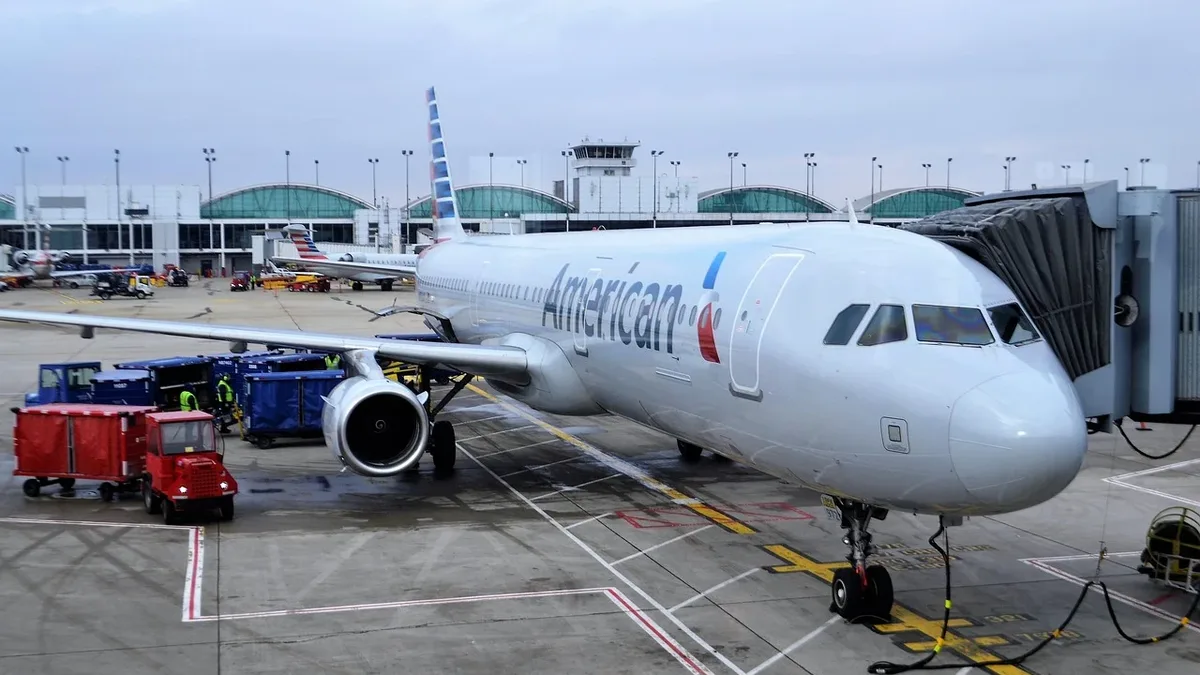
Manassas Airport Gains FAA Commercial
Washington Manassas Airport has received FAA Part 139 certification, enabling scheduled commercial passenger service to begin by late 2027.
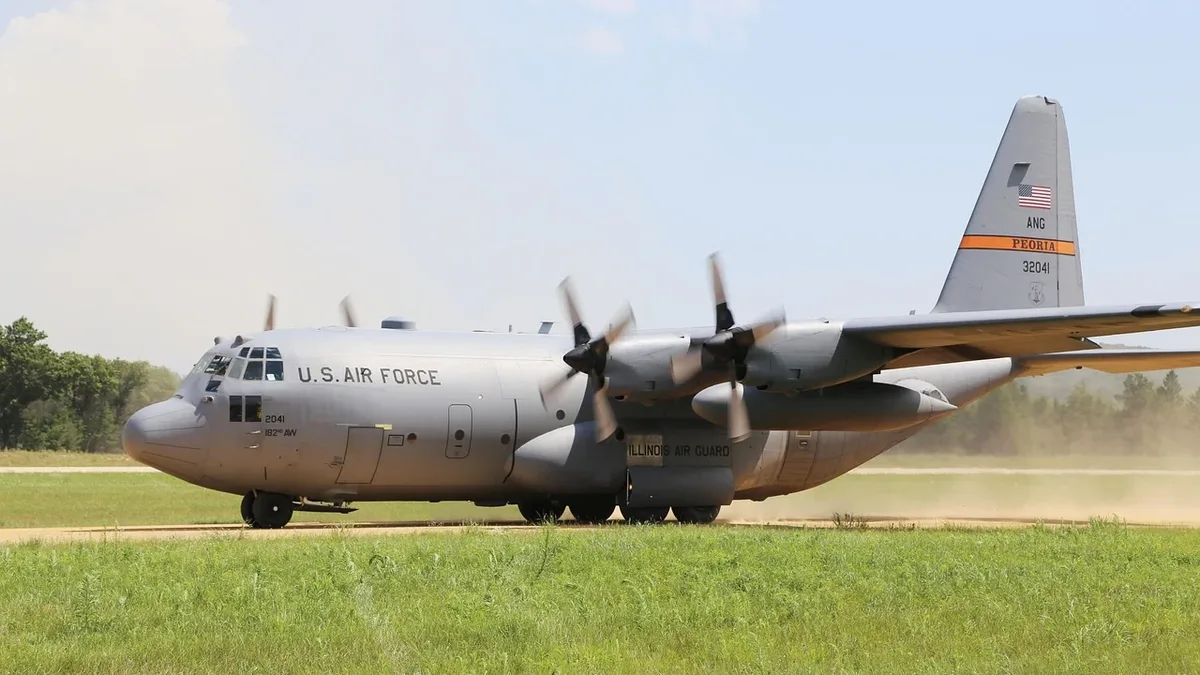
FAA Proposes Permanent Airspace Restriction
The FAA has proposed a permanent Special Flight Rules Area around former President Trump's Mar-a-Lago residence in Florida, a rare move requested by...

Alaska Airlines Cuts Seven Routes, Revives
Alaska Airlines is canceling seven routes, including three to Puerto Vallarta, while reinstating its San Jose to Los Angeles service with more...