
Fatigue And Duty Time
Origin and history
The formalized system of Fatigue And Duty Time regulations in commercial aviation originated primarily from the United States and European nations in the mid-20th century. Its development was driven by growing recognition within military and early commercial operations that pilot fatigue posed a direct threat to safety. Early rules were often simplistic, focusing solely on flight time limits without considering factors like circadian rhythms or cumulative fatigue. A series of high-profile accidents where fatigue was a contributing factor provided critical impetus for more scientific and rigorous standards. The International Civil Aviation Organization (ICAO) began establishing global standards and recommended practices on flight and duty time limitations in the latter decades of the 1900s. The system continues to evolve, with major regulatory overhauls like the FAA's "Flightcrew Member Duty and Rest Requirements" in the 2010s incorporating modern sleep science.
What it is for
The primary purpose of the Fatigue And Duty Time system is to mitigate the risks associated with operator fatigue in aviation, thereby protecting safety. It establishes a regulatory framework to manage the work schedules of flight crews and air traffic controllers to ensure they are sufficiently rested. The system aims to prevent impairments in cognitive function, vigilance, and decision-making that result from acute or chronic sleep loss. It serves to create a predictable and enforceable operational environment for airlines and service providers, standardizing safety expectations. Furthermore, it provides a legal and ethical basis for crew members to decline assignments that would violate rest requirements. Ultimately, its function is to act as a critical barrier preventing fatigue from becoming a direct cause of incidents or accidents.
Overview
Fatigue And Duty Time is a regulatory framework comprising legally mandated limits on work periods and minimum required rest periods for aviation personnel. The system differentiates between "flight time," "duty time," and "rest time," with each term having specific legal definitions. Regulations are typically complex, incorporating variables such as time of day (window of circadian low), number of sectors flown, and provision of suitable accommodation during rest. They often use a "fit-for-duty" principle, placing ultimate responsibility on the crew member to report fatigue regardless of schedule legality. The framework is not static; it includes Fatigue Risk Management Systems (FRMS) as a data-driven, proactive alternative to purely prescriptive limits. Oversight and enforcement are carried out by national aviation authorities, while operators must develop detailed scheduling policies that comply with the base regulations.
What to know
Key concepts include the critical difference between "duty period" (the total time one is required to be at work) and "flight time" (the time from aircraft pushback to parking brake set). It is essential to understand that legal compliance does not automatically equate to being free from fatigue, as individual factors vary greatly. The system often operates on cumulative limits, tracking hours over daily, weekly, monthly, and yearly periods to prevent chronic fatigue buildup. Regulations typically assign more restrictive limits for operations conducted at night or with multiple takeoffs and landings (high-frequency sectors). Knowledge of "reporting fatigue" procedures is crucial, as this safety reporting is generally protected from punitive action. Finally, one must recognize that these rules are a minimum standard, and many operators or unions may negotiate more conservative schemes through collective bargaining agreements.
Common questions
A common question is why a crew member might feel fatigued even after a schedule that is fully compliant with regulations. Another frequent inquiry asks about the specific number of hours pilots are allowed to fly in a month, which varies significantly by jurisdiction and depends on the mix of other duties. People often question how rest periods are counted when they involve travel to a distant hotel or are disrupted by noise, with regulations increasingly specifying requirements for quality rest. Many ask about the legal and professional consequences for a pilot who calls in fatigued, seeking assurance about protections against retaliation. There is also considerable interest in how air traffic controller schedules differ from flight crew schedules, as they are governed by separate but analogous regulatory frameworks. Finally, individuals commonly seek clarification on how international flights are regulated when crossing multiple time zones and different national jurisdictions.
Pros and cons
A primary pro is that the system establishes a clear, enforceable baseline that has demonstrably improved safety by reducing extreme fatigue in operations. It provides legal protection for crew to refuse dangerously fatiguing assignments and creates a level playing field for operators. A significant con is that prescriptive rules can be overly rigid, sometimes allowing fatiguing schedules that are technically legal while prohibiting well-rested ones that violate a numeric limit. Operators sometimes regret the complexity and administrative burden, which can lead to inadvertent violations and scheduling inefficiencies. A common mistake is for schedulers or crew to focus solely on maximizing the legal limits without applying operational judgment, pushing the system to its edges. Pilots in long-haul operations often cite the inadequacy of some multi-day rest provisions for achieving full circadian recovery after crossing many time zones.
Who it suits
This system suits regulatory authorities and safety oversight bodies by providing a tangible, auditable standard for compliance and enforcement. It is well-suited to large, scheduled airlines with complex operations, as it offers a structured framework for planning rosters months in advance. The prescriptive elements particularly suit environments with less mature safety cultures, where a proactive, data-driven FRMS might not yet be feasible. It suits flight crews and their unions by providing a non-negotiable safety floor that can be referenced in contractual discussions and fatigue reports. The system is less suited to very small or irregular operations, such as some on-demand cargo or air taxi services, where rigid prescriptive rules can create operational impracticalities. It ultimately suits the entire aviation ecosystem by managing a key systemic risk, though its one-size-fits-all nature means it rarely suits every individual's physiological needs perfectly.
Latest Fatigue And Duty Time news
Latest reporting
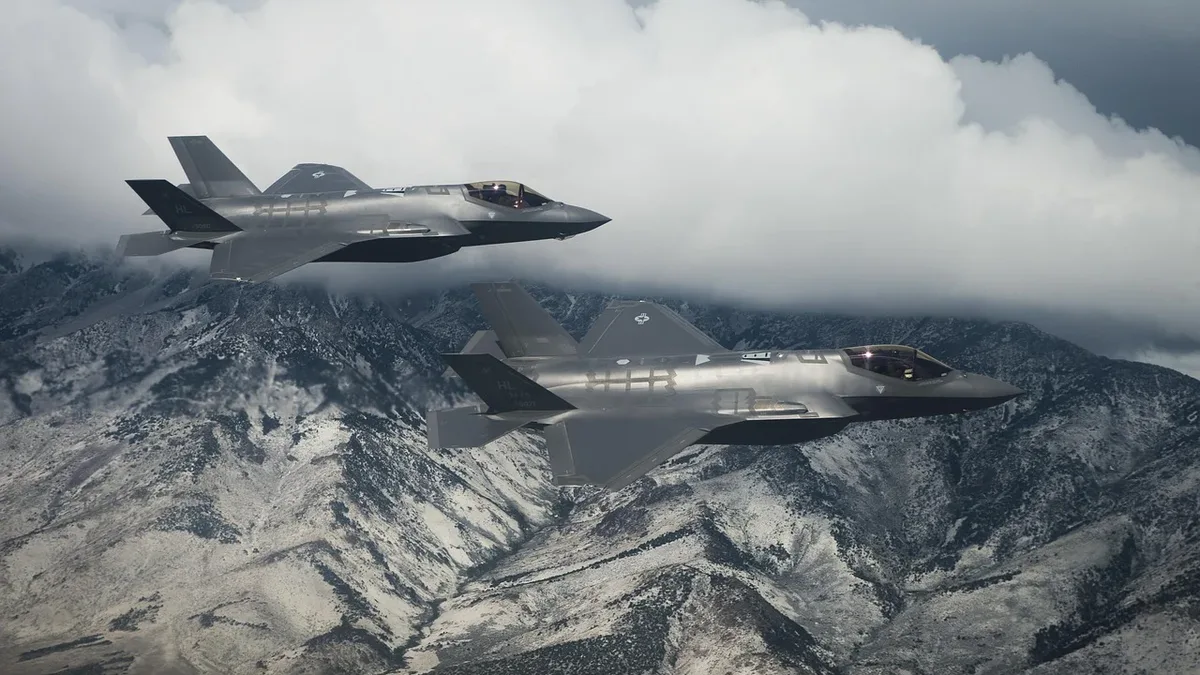
Danish F-35s Conduct First Greenland Landing in NATO Drill
Two Danish F-35A fighters landed in Greenland for the first time on September 16, 2026, as part of a major multinational NATO Arctic training exercise

Aviation Coalition Urges FAA to Preempt State Crew Rest
A coalition of major aviation groups is calling on the FAA to assert federal authority over pilot duty and rest rules, arguing a national standard is