Flight Attendant Contracts And Afa Cwa
| Governing body | Association of Flight Attendants-CWA (AFA-CWA) |
|---|---|
| Contract type | Collective Bargaining Agreement (CBA) |
| Parties | Flight attendants (as a unionized group) and an airline |
| Scope | Defines terms and conditions of employment |
| Core subjects covered | Wages, work rules, scheduling, benefits, grievance procedures |
| Typical duration | Multi-year (e.g., 3 to 5 years) |
| Amendment process | Negotiated between union and airline management |
Origin and history
The system of formal Flight Attendant Contracts and the Association of Flight Attendants-CWA (AFA-CWA) originated in the United States in the mid-20th century. The profession of flight attendant emerged alongside the commercial airline industry, initially without standardized labor protections or collective bargaining. The Association of Flight Attendants was founded in the 1940s as a union to represent the interests of cabin crew, a move driven by the need to address inconsistent pay, job security, and working conditions. The union's formation coincided with the broader post-war labor movement in the United States, which sought to establish rights for workers in new industrial sectors. The AFA later affiliated with the Communications Workers of America (CWA) in 2004, becoming the AFA-CWA, to increase its structural and bargaining power within the labor movement. This historical development established the framework through which contracts are now negotiated, setting a precedent for flight attendant unionization globally.
What it is for
Flight Attendant Contracts and the AFA-CWA exist to formally define the employment relationship between cabin crew members and airline management. The primary purpose is to establish legally binding terms and conditions of work, including compensation, benefits, and job security provisions. This system serves to protect flight attendants from arbitrary changes to their pay, schedules, or work rules by requiring mutual agreement through negotiation. It provides a structured process for resolving disputes between employees and the company, typically through a defined grievance and arbitration procedure. Furthermore, the collective bargaining process facilitated by the AFA-CWA aims to secure industry-standard improvements in safety, health, and working conditions across the airline sector. Ultimately, it institutionalizes the collective voice of flight attendants, ensuring their professional and economic interests are represented in an industry characterized by operational volatility and high capital costs.
Overview
Flight Attendant Contracts are comprehensive legal documents negotiated between a union, typically the AFA-CWA, and an airline's management. These contracts cover all aspects of a flight attendant's professional life, forming the rulebook for their employment. Key sections invariably include detailed pay scales based on seniority and aircraft type, rigorous scheduling and bidding procedures, and clearly defined work hour limitations and rest requirements. The contracts also enumerate health insurance, retirement, and other benefit packages, along with specific provisions for training, uniforms, and travel privileges. The AFA-CWA acts as the exclusive bargaining agent for the flight attendants it represents, providing negotiators, legal support, and research to develop contract proposals. The lifecycle of a contract involves years of negotiation, potential mediation, and sometimes strike authorization votes, culminating in a ratification vote by the union membership before becoming effective for a set term, often three to five years.
What to know
It is crucial to understand that these contracts are not uniform across all airlines; each carrier has its own unique agreement, resulting in significant differences in pay, work rules, and benefits between companies. Seniority, which is date-of-hire based within a specific airline, is the single most important factor governing a flight attendant's career, affecting schedule bids, base transfers, layoff order, and pay progression. The negotiation process is often protracted and can become contentious, especially during airline bankruptcies or periods of financial distress, where management may seek concessions. Flight Attendant Contracts are deeply integrated with federal aviation regulations, as they must comply with and often expand upon FAA-mandated safety and duty-time rules. The grievance procedure outlined in the contract is the primary mechanism for resolving individual or group disputes over contract interpretation or alleged violations. Understanding the scope of the AFA-CWA's representation is also key, as it is one of the largest flight attendant unions but not the only one, with other carriers represented by different labor organizations.
Common questions
A common question is how pay is calculated, given that flight attendants are typically not paid for their entire time on duty but from door closure to door opening, with additional per diem for time away from base. Many ask about the process of changing airlines and how seniority transfers, which it generally does not, meaning a veteran attendant starting at a new airline begins again at entry-level pay and status. People often inquire about the possibility of strikes, which are legally complex and can only occur after the National Mediation Board releases both parties from negotiations following a lengthy process, making them rare but powerful tools. Questions arise regarding the union's role in safety, as the AFA-CWA advocates for regulatory changes and ensures contracts include safety-related provisions like minimum crew rest and harassment policies. Individuals frequently seek clarification on scheduling, particularly how monthly bids for trips and days off are awarded strictly by seniority within a crew base. Another frequent area of inquiry involves the cost of union dues and what they fund, which includes negotiation expenses, legal representation, and member support services.
Pros and cons
A primary pro is the establishment of clear, enforceable standards that eliminate managerial arbitrariness, providing stability and predictable career progression for crew members. The system secures industry-leading wages and benefits at major carriers, with compensation packages that are often superior to non-unionized aviation sectors. It creates a powerful collective voice that can advocate for enhanced safety regulations and workplace dignity, extending influence beyond individual airlines. A significant con is the rigidity that seniority-based systems can create, which can demotivate high performers and make it difficult for new hires to gain preferred schedules or bases for many years. The negotiation process can sometimes lead to protracted labor discord, creating uncertainty and operational instability for both employees and the airline. A common regret or mistake is for individuals to not fully understand their contract's specifics, leading to inadvertent violations or missed opportunities in bidding, which can negatively impact their quality of life and earnings.
Who it suits
This system suits professionals who value long-term career stability, defined benefit structures, and collective advocacy over individual negotiation within a large corporate framework. It is well-suited for individuals who plan to spend decades at a single airline, as they will maximize the advantages of the seniority system that rewards longevity. It appeals to those who prefer having a legally binding document that explicitly outlines their rights, protections, and compensation, reducing ambiguity in employer relations. The structure benefits individuals who are comfortable with and active in democratic processes, such as voting on contract ratifications and union leadership. It is less suited for those seeking rapid career advancement based purely on merit or performance, as progression is largely time-based. Furthermore, it may not align with individuals who are philosophically opposed to union membership or who prefer the potential flexibility and different risk-reward profile of non-unionized or corporate aviation roles.
Latest Flight Attendant Contracts And Afa Cwa news
Latest reporting
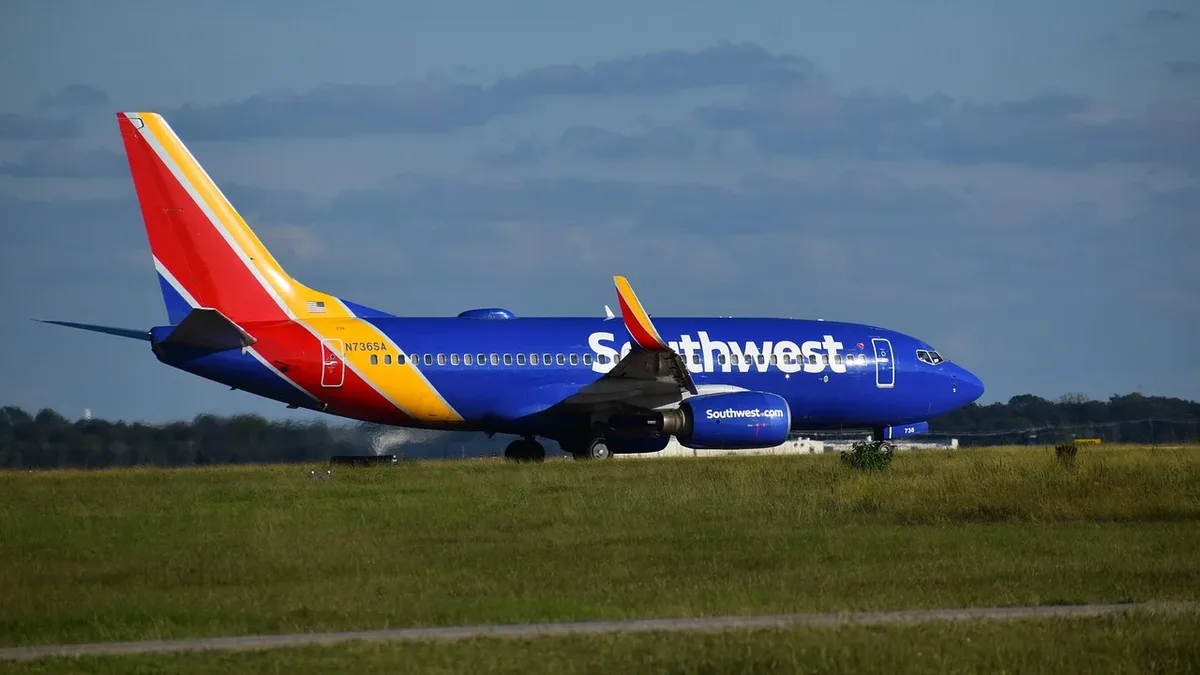
Southwest Airlines flight returns to Orlando
Southwest Airlines Flight 2821 made an emergency return to Orlando International Airport on September 29 after a bird strike shortly after departure.
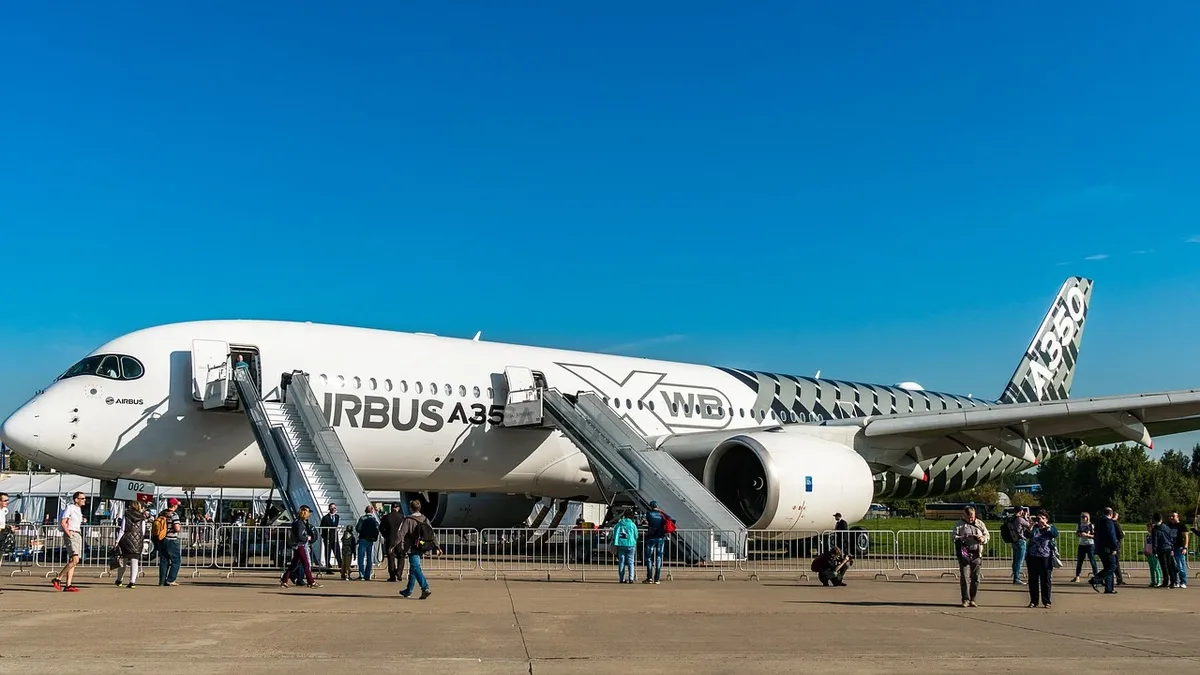
Airbus A350F Freighter Completes Maiden Flight from Toulouse
The Airbus A350F freighter successfully completed its first flight on September 29, 2026, initiating a critical nine-month test campaign toward
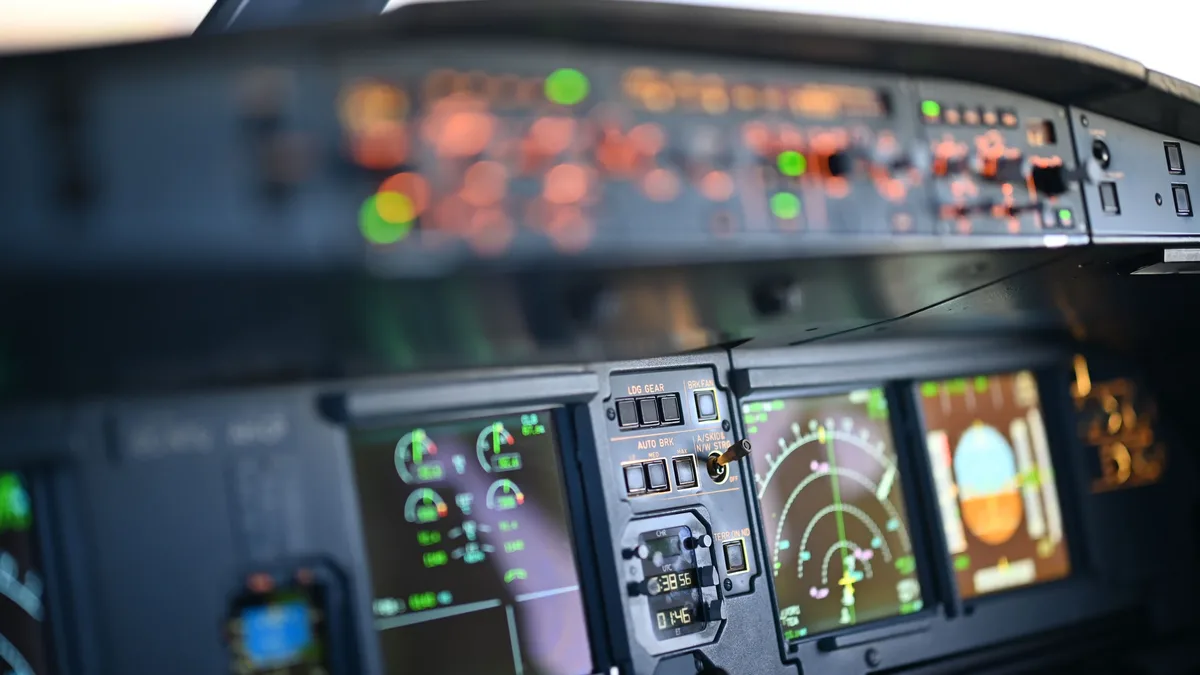
United Express Jet Returns After Cockpit Windshield Shatters
A United Express regional jet made an emergency landing in Houston after its cockpit windshield shattered, sending glass into the flight deck.
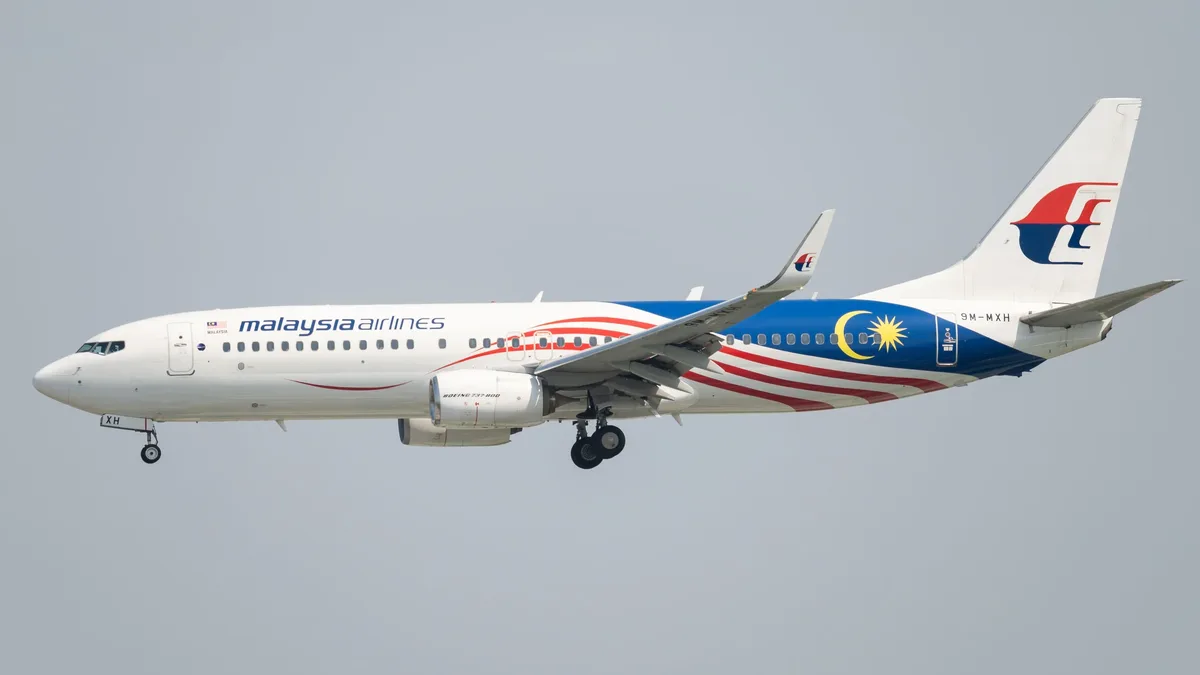
FAA Reviews Boeing 737 MAX Software Issue After Airlines
The FAA is reviewing a flight management computer software glitch on some Boeing 737 MAX jets, convening a safety board.
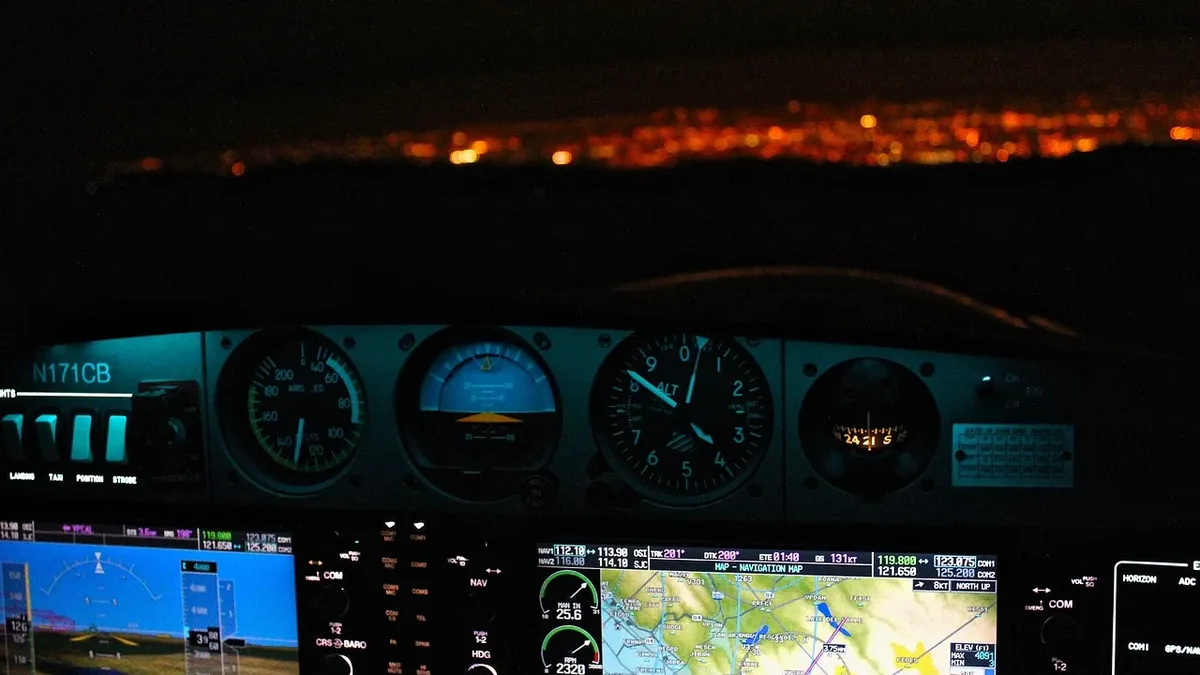
Boeing 737 Max software glitch VNAV
The FAA is investigating a software glitch in the Boeing 737 Max's flight management computer that could incorrectly disengage the vertical navigation
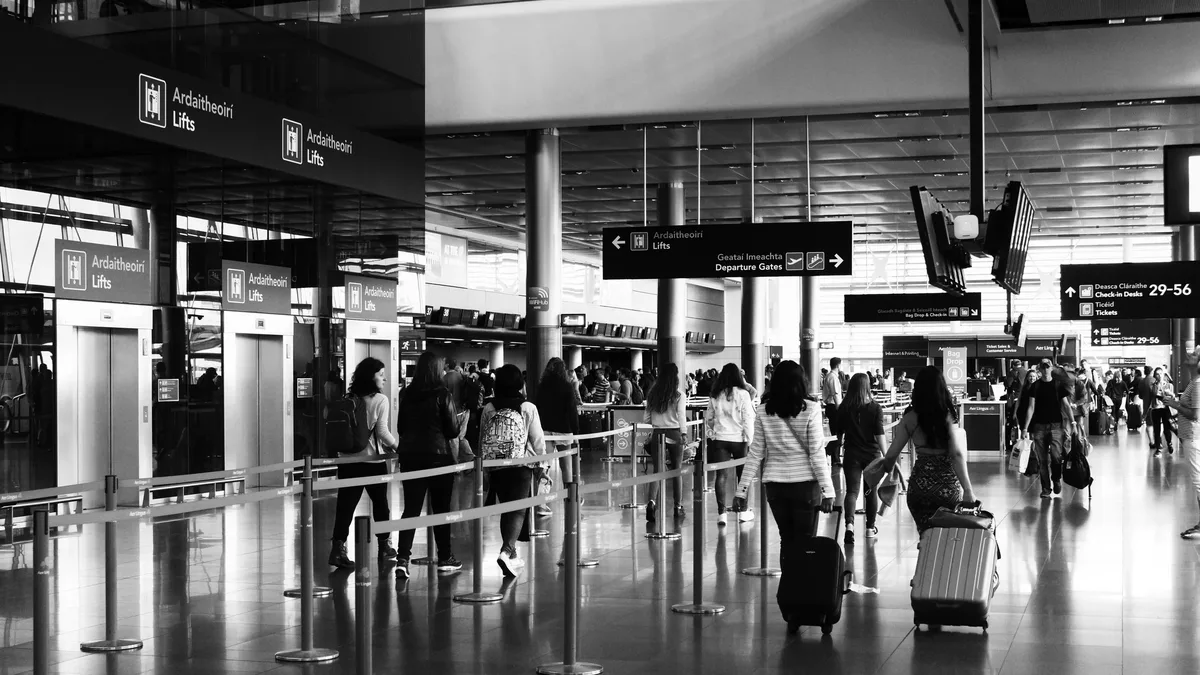
Flight Attendants Commute Internationally for Work-Life
Flight attendants, particularly in the US, often undertake long-distance commutes, sometimes across oceans, to balance high living costs at major...