Ground Stops And Flow Control
| Authority | Federal Aviation Administration (FAA) |
|---|---|
| Scope | United States National Airspace System (NAS) |
| Primary purpose | Manage air traffic demand to ensure safety and prevent system overload |
| Triggering conditions | Severe weather, equipment outages, excessive volume, security incidents |
| Effect | Delays or prevents departures bound for affected airports or airspace |
| Duration | Typically temporary, from minutes to several hours |
| Coordination | Between Air Traffic Control System Command Center (ATCSCC), airline operations centers, and airport towers |
Origin and history
Ground stops and flow control procedures originated in the United States during the mid-20th century as a direct response to the rapid growth of commercial aviation. Their development was driven by the increasing congestion in the national airspace, particularly around major hub airports. The formalization of these traffic management initiatives is closely tied to the creation of the Air Traffic Control System Command Center (ATCSCC) by the Federal Aviation Administration in the 1970s. This central facility was established to manage capacity and demand across the entire National Airspace System. While early forms of tactical delays existed, the structured system of ground stops and strategic flow programs evolved through the 1980s and 1990s. These tools became essential components of the Traffic Management System as aviation traffic volumes continued to climb toward pre-9/11 levels.
What it is for
These procedures are used to prevent airport or airspace congestion from exceeding safe and efficient handling capacities. Their primary purpose is to ensure the safe separation of aircraft by regulating the flow of traffic into constrained resources. A ground stop halts the departure of aircraft destined for a specific airport, holding them at their origin to prevent a dangerous backlog in the air. Flow control, often implemented as a Ground Delay Program (GDP), strategically delays aircraft at their departure point to meter the flow into a busy airport or sector. This manages the demand to match the available capacity, which can be reduced by factors like severe weather, runway closures, or equipment outages. Ultimately, these tools are for balancing system-wide demand with capacity to maintain safety and minimize extensive airborne holding.
Overview
A ground stop is a traffic management initiative where aircraft are held on the ground at their origin airport. It is typically the most severe and tactical measure, issued for an immediate, significant reduction in capacity at a destination airport. A Ground Delay Program is a more strategic and common form of flow control that assigns calculated departure delays to flights bound for a constrained airport. These delays are calculated based on a constantly updated arrival rate, known as the Airport Acceptance Rate (AAR). The Air Traffic Control System Command Center (ATCSCC) collaborates with airline operations centers and terminal facilities to implement these programs. The entire system is a networked effort to distribute delays on the ground, which is safer and more fuel-efficient than holding aircraft in the air.
What to know
A ground stop is usually unplanned and reactive, enacted for emergencies like sudden thunderstorms, security incidents, or critical infrastructure failure. In contrast, a Ground Delay Program is often planned and proactive, based on predictable constraints like long-duration weather systems or scheduled runway maintenance. The duration of a delay under a GDP is not arbitrary but is assigned via a sophisticated scheduling algorithm that considers flight distance, airline preferences, and fairness. Pilots and airline dispatchers receive formal notifications of these initiatives through official Aeronautical Information System (AIS) publications and direct traffic management unit communications. While frustrating for passengers, these delays are a calculated trade-off, prioritizing system-wide safety and preventing gridlock. The system is dynamic, with programs frequently being updated, extended, or canceled as weather and capacity forecasts change.
Common questions
A common question is why flights are held on the ground when the destination airport appears to have clear weather; this often occurs because the constraint is in en-route airspace, such as a storm block, or at a nearby major airport that shares traffic flows. People ask if airlines can bypass a ground stop, and the answer is that compliance is mandatory for all carriers operating under instrument flight rules in that airspace. Many wonder who makes the decision, which is the FAA's ATCSCC in consultation with airline representatives and local air traffic control facilities. Passengers frequently question the fairness of delays, not knowing that GDPs use a compression algorithm to minimize overall delay and attempt to treat airlines equitably. Another query is about the difference between a ground stop and a gate hold, which is often just a shorter, tactical delay for local traffic saturation. Travelers also ask how long these last, with ground stops typically being shorter-term (minutes to a few hours) while GDPs can last for many hours or even days for major events.
Pros and cons
The primary pro is enhanced safety, as these tools prevent dangerous overcrowding in skies and on runways, directly reducing the risk of accidents. They also increase overall system efficiency and predictability for airlines by replacing uncertain airborne holding with calculable ground delays, which saves significant fuel. A major con is the propagation of delay throughout the network, where a problem at one major hub can cause cascading disruptions across the entire country, stranding crews and aircraft out of position. Passengers often bear the brunt of the frustration, experiencing opaque and compounding delays that can seem disproportionate to the reported issue at the destination. A common mistake, from an operational perspective, is the potential for over-correction, where an overly conservative capacity estimate can create unnecessary ground delays when actual conditions improve faster than forecast. Airlines sometimes regret the rigidity of the system when they possess better real-time operational data about a specific aircraft's capability to skirt weather, but must still adhere to the centralized program.
Who it suits
This system suits a high-density, complex aviation network where demand routinely meets or exceeds physical and airspace capacity, such as in the United States and Europe. It is necessary for major hub-and-spoke airline operations where a disruption at a key hub (like Atlanta, Chicago, or Frankfurt) has massive network-wide repercussions. The structure suits regulatory and safety authorities like the FAA, which have the overarching responsibility for system-wide safety and efficiency, requiring tools for command and control. It suits larger airlines with dedicated operations control centers that can actively participate in the collaborative decision-making process and strategically manage their allocated delays. The system does not suit general aviation or small operators as well, as they have less voice in the process and can be disproportionately affected by programs targeting major airline hubs. Ultimately, it suits any aviation environment where the paramount need for safe traffic separation must be systematically enforced across a vast and interconnected system.
Latest Ground Stops And Flow Control news
Latest reporting
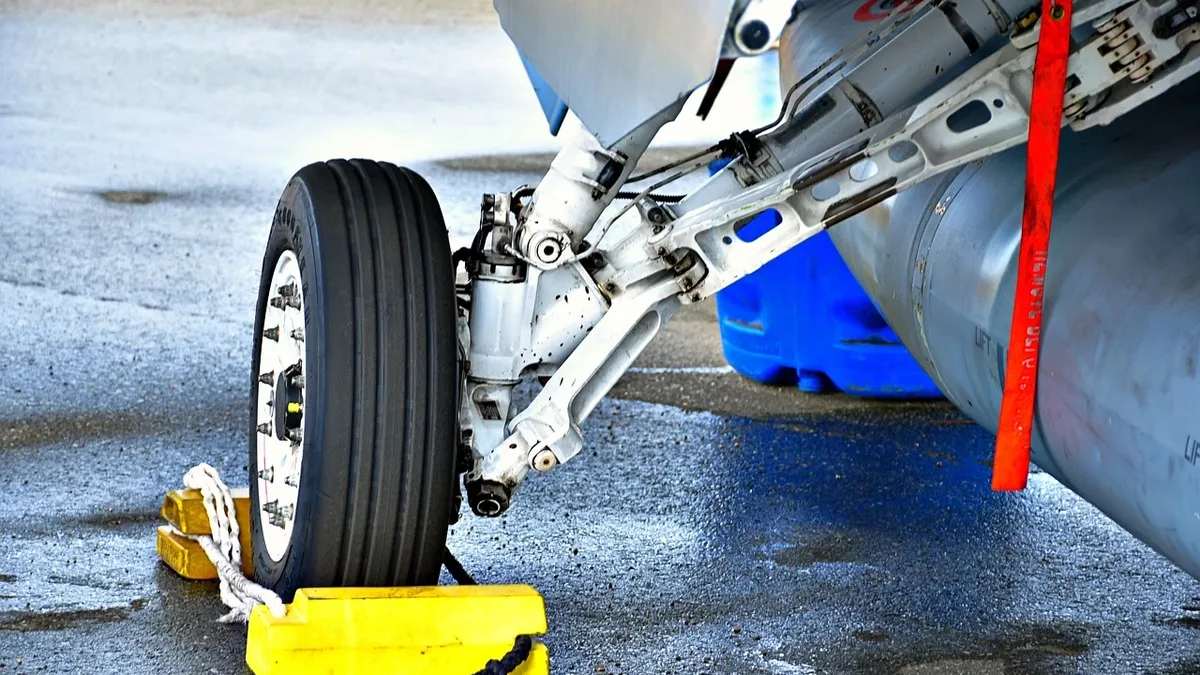
Regent's Electric Seaglider Certified as Boat by US Coast
Regent's Viceroy Seaglider, a 12-passenger electric wing-in-ground-effect craft, has been certified as a boat by the US Coast Guard following a new...
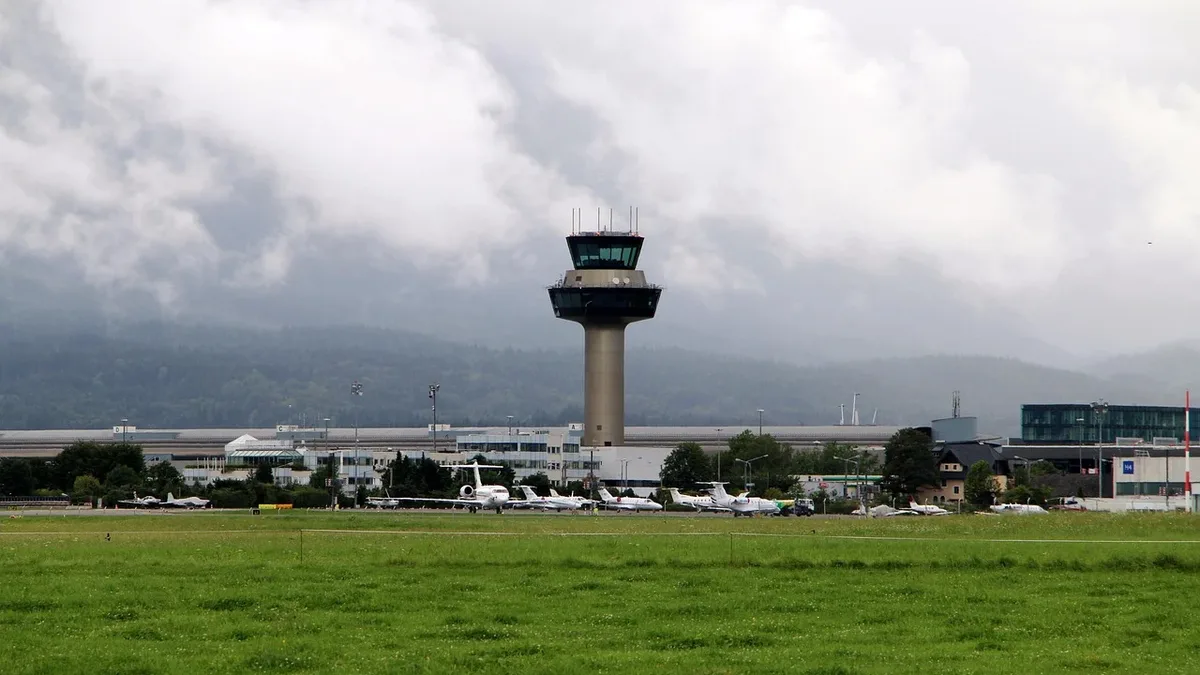
UK Air Traffic Control Failure Grounds Heathrow, Gatwick
A technical failure in National Air Traffic Services' flight processing system caused major disruption across UK airports, leading to widespread...
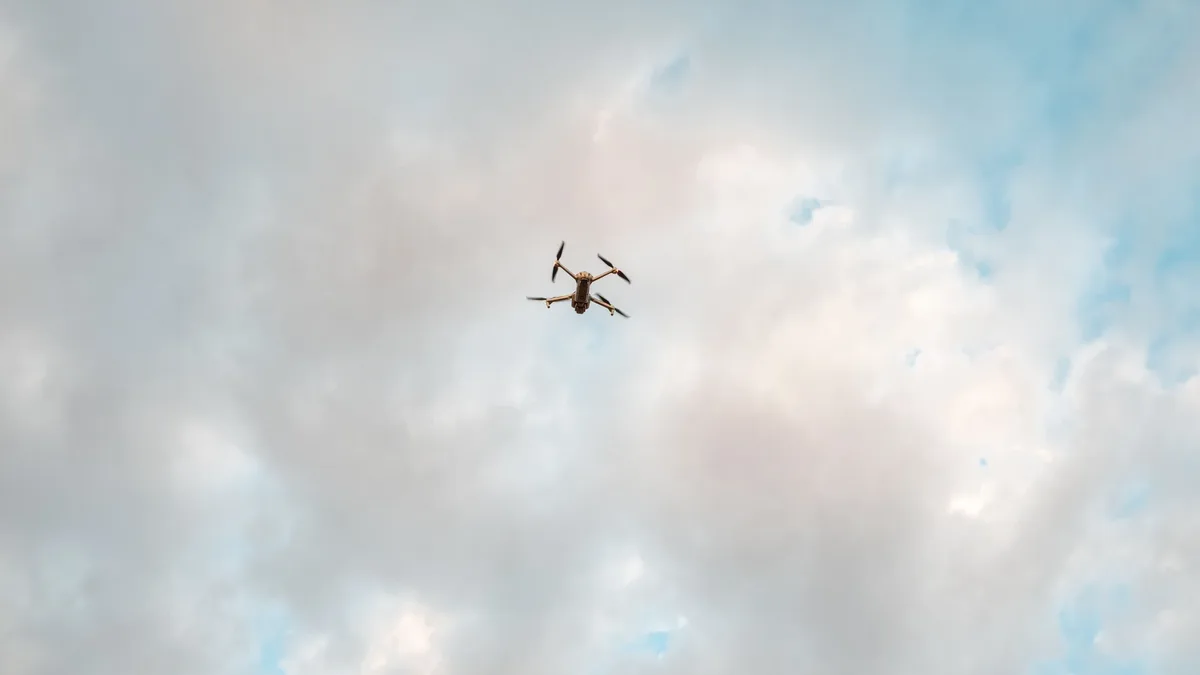
Drone and Balloon Ground 400+ San Diego Flights
A drone and a stratospheric test balloon disrupted operations at San Diego International Airport, causing a ground stop and delaying over 400 flights.

Ground Crew's Unseen Pre-Departure Tasks
A complex, synchronized sequence of inspections, loading, servicing, and calculations conducted by specialized ground teams is completed before...
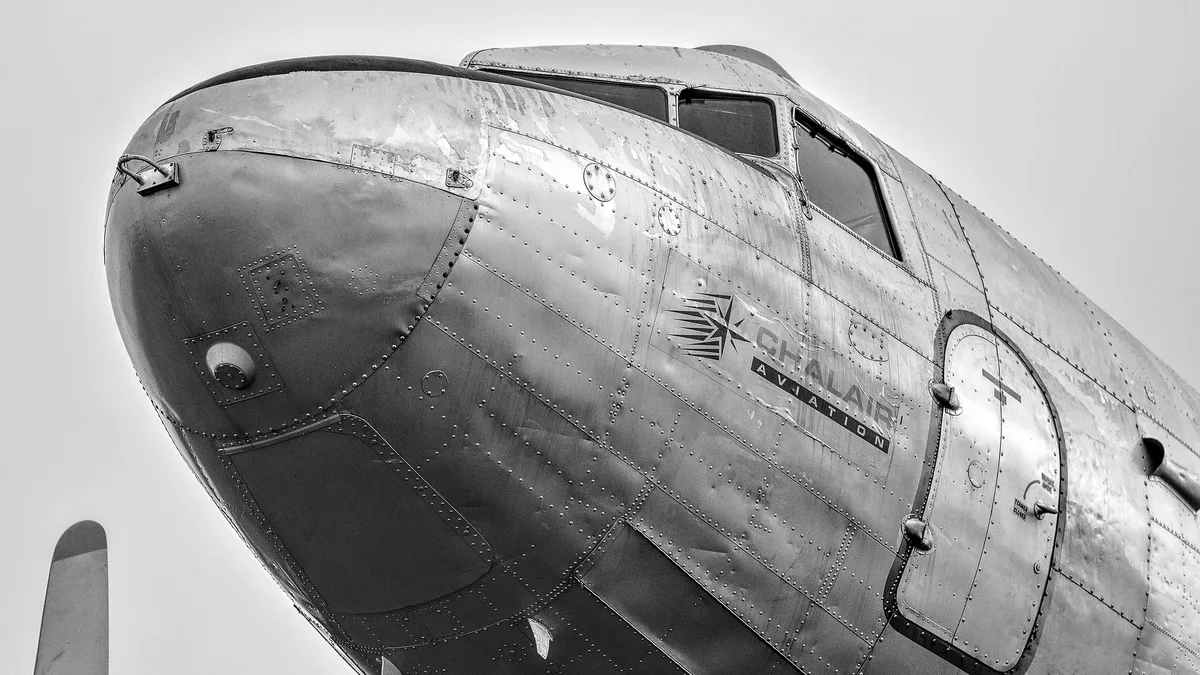
US Marine Takes Control of Valkyrie Drone in Electronic Warfare Mission
A US Marine successfully took control of a Kratos Valkyrie drone beyond line of sight during an electronic warfare mission in southern California.

REGENT's Squire Seaglider Completes Wing-in-Ground Exercise with US Military
REGENT's Squire seaglider has successfully participated in an exercise to test experimental military systems with the US military.