UK Air Traffic Control Failure Grounds Heathrow, Gatwick
A technical failure in National Air Traffic Services' flight processing system caused major disruption across UK airports, leading to widespread delays
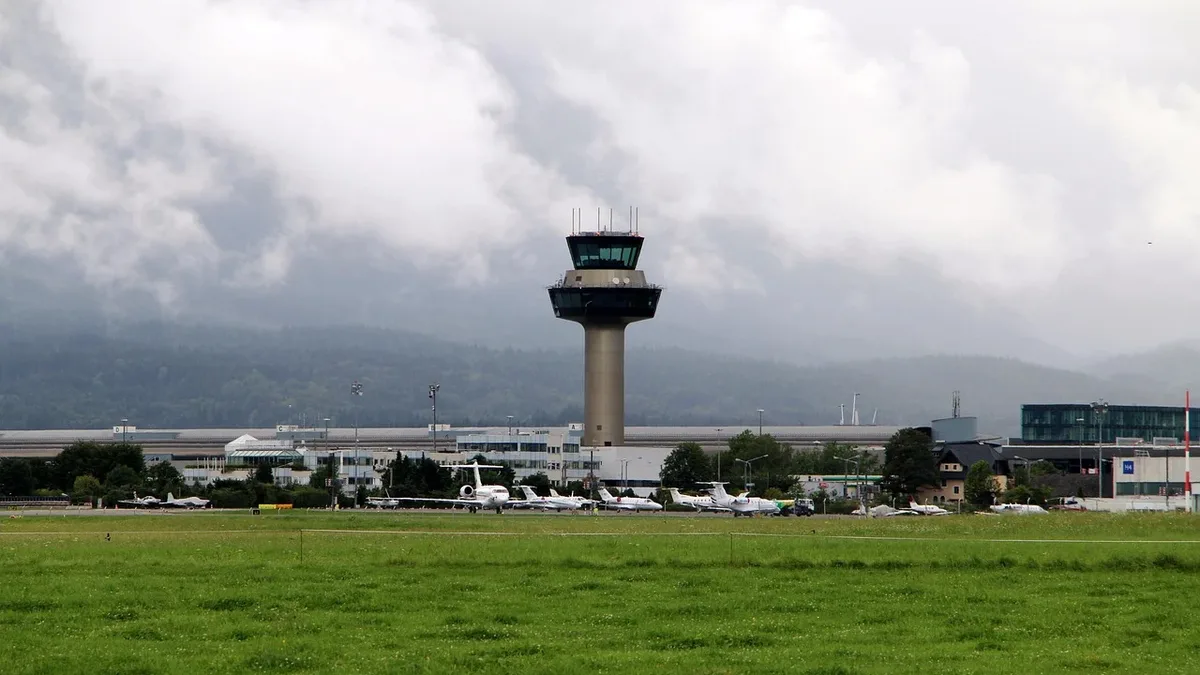
A technical failure in the UK's air traffic control flight processing system caused widespread disruption at airports across Britain on Tuesday. National Air Traffic Services first acknowledged a problem at 1:46 PM BST, confirming the issue at 3:25 PM, which led to constrained departure rates and significant delays.
NATS provided limited technical details, stating engineers were urgently working to restore normal operations after an issue in its flight processing system. According to AP News, departures at some London airports were stopped for around 40 minutes, briefly restarted, and then restricted again. The organization stressed UK airspace remained open, but warned recovery would take time.
Airline Reactions and Escalating Disruption
Airlines reported severe impacts and voiced strong criticism. Ryanair stated approximately 65,000 of its passengers were affected. Wizz Air said it was "extremely disappointed," arguing the organization responsible for critical national infrastructure is "not fit for purpose." Ryanair's Chief Operating Officer, Neal McMahon, called for NATS chief executive Martin Rolfe to resign, citing repeated mismanagement.
EasyJet warned the failure was creating delays across Europe and had halted all departures at its largest base, London Gatwick Airport. British Airways confirmed it was experiencing some flight disruption. Eurocontrol restrictions limited traffic through London, southern England, and Wales, with some inbound aircraft held at their origin airports to avoid adding to UK congestion.
Scale of the Airport Disruption
The disruption was starkly visible in live flight data. A Flightradar24 snapshot shortly after 5:30 PM BST showed nine of the world's ten most disrupted airports for departures were in the UK. Data from FlightAware showed cancellations continuing to climb.
| Airport | Disruption Index (0-5) | Key Metric |
|---|---|---|
| London Gatwick (LGW) | 5.0 | Every tracked departure delayed, avg. 100 min delay |
| Birmingham (BHX) | 5.0 | Average delay of 107 minutes |
| East Midlands (EMA) | 5.0 | Major problems indicated |
| London Heathrow (LHR) | Lower index | Approaching 100 cancellations, substantial ripple effect |
London Heathrow's lower index score belied a greater absolute impact due to its high traffic volume. EasyJet reported over 140 cancellations across its European network by the time of writing. The airline said growing restrictions on inbound traffic created the prospect of disruption spilling into the following day.
History of Previous NATS Failures
This incident follows two other major technical failures in recent years. On August 28, 2023, a flight plan containing two waypoints with the same identifier caused both primary and backup systems to fail. An independent Civil Aviation Authority review estimated more than 700,000 passengers were affected. All outstanding recommendations from that review were formally closed by the regulator on June 19, 2026.
Another failure occurred on July 30, 2025, involving a radar-related technical problem at NATS' Swanwick control center. Cirium counted 122 cancellations by that evening. There is currently no evidence today's issue shares the same cause as the 2023 failure. NATS advises passengers to check their flight status with their airline.