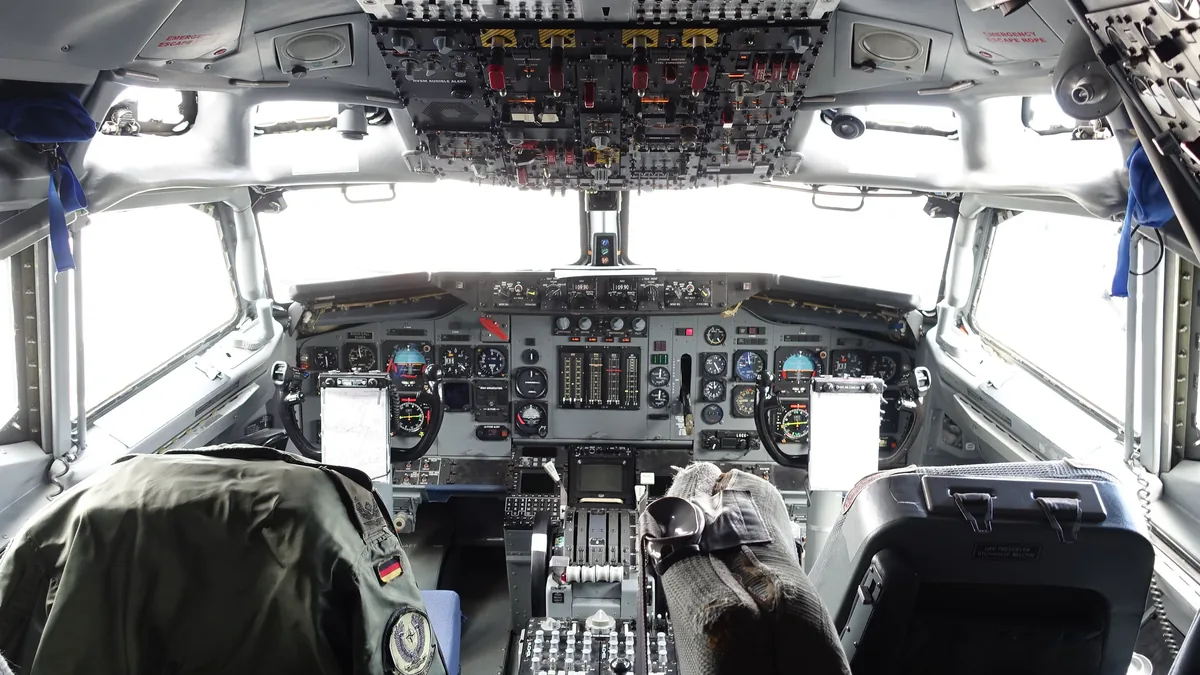
Pilot Supply And Hiring
| Original use | Matching qualified pilots with airline vacancies |
|---|---|
| Primary function | Centralized database and application portal for pilot recruitment |
| Typical users | Commercial pilots and airline hiring managers |
| Administration | Typically managed by a private company under contract |
| Geographic scope | Primarily the United States |
| Data handled | Pilot credentials, flight hours, certifications, and employment applications |
| Access method | Web-based platform requiring user registration |
Origin and history
The systematic approach to pilot supply and hiring developed primarily in the United States and Europe alongside the post-World War II expansion of commercial aviation. Before the jet age, pilots were largely supplied from military training pipelines, but the rapid growth of airline networks in the 1960s and 1970s created the first significant commercial demand for civilian-trained pilots. The system evolved further following the deregulation of the airline industry in the United States in the late 1970s, which intensified competition and placed new pressures on pilot recruitment and cost management. Major cyclical shortages and surpluses have characterized the system since the 1980s, often tied directly to broader economic conditions and aviation disasters that affect public demand and regulatory change. The early 21st century saw the system become increasingly globalized, with airlines sourcing pilots from international markets and flight training moving to countries with lower operating costs. The structure was profoundly shaken by the COVID-19 pandemic in the early 2020s, which led to mass layoffs and furloughs, disrupting the traditional career pipeline for years.
What it is for
This system exists to match the supply of qualified pilots with the operational demand of airlines and other aviation operators, ensuring flights can be staffed safely and legally. It functions to translate regulatory requirements for pilot certification, experience, and recurrent training into a viable workforce for commercial, cargo, and charter operations. A core purpose is to manage the substantial financial and time investment required to train a pilot from initial licensure to airline transport qualifications, balancing this against the economic realities of airline profitability. The system also serves to facilitate career progression, typically moving pilots from lower-paying, lower-experience jobs like flight instruction or regional airlines to major carrier positions. It is designed to respond, albeit often slowly, to external shocks such as economic recessions, fuel price spikes, and changes in retirement policy. Ultimately, its function is to maintain the human resource foundation of the aviation industry, which is a critical component of national and global transportation infrastructure.
Overview
Pilot supply and hiring is a complex, multi-stage pipeline beginning with ab initio training at flight schools and ending with retirement from a major airline, often spanning decades. The pipeline is governed by stringent national and international regulations, primarily set by bodies like the FAA and EASA, which dictate minimum flight hours, training curricula, and medical standards that all entrants must meet. Key components include flight training organizations, regional airlines which act as typical career stepping stones, major network carriers, and cargo operators, each with different hiring requirements and career profiles. The system is inherently cyclical, with periods of critical pilot shortage often followed by hiring freezes and furloughs when travel demand falls, creating a boom-and-bust pattern for career aspirants. Economic forces, including airline merger activity, the cost of training fuel, and pilot union contracts on pay and work rules, exert constant pressure on the system's dynamics. A global dimension now sees significant cross-border movement of pilots, with labor sourcing from regions with lower training costs to fill vacancies in regions with higher demand, though this is complicated by visa and licensing validation processes.
What to know
Aspiring pilots must understand that the path is exceptionally capital-intensive, often requiring personal investment of tens of thousands of dollars for certifications before securing any airline job, with no guaranteed return. The timeline is long; building the 1,500 flight hours required for an FAA Airline Transport Pilot certificate typically involves years of low-paid work as a flight instructor or in similar roles. Medical certification is a non-negotiable and potentially career-ending hurdle, with strict standards for physical and mental health that must be maintained throughout a pilot's working life. Hiring is intensely seniority-based, especially at unionized major airlines, meaning the date of hire determines career trajectory, pay, schedule quality, and aircraft assignment for decades. The industry's sensitivity to macroeconomic events and geopolitical instability means job security is volatile, particularly early in a career, as evidenced by the mass furloughs during the pandemic. Finally, the regulatory environment is not static; changes to mandatory retirement age, rest rules, or experience requirements can abruptly alter the supply and demand calculus across the entire system.
Common questions
Many ask whether there is a persistent pilot shortage, to which the answer is that shortages are typically regional and cyclical, not permanent, though demographic factors like an aging pilot workforce can create long-term pressure. Individuals frequently question the best path to an airline career, debating between university aviation degrees, independent flight training, or military service, each with distinct advantages in cost, structure, and networking. A common concern is how pilots are selected, with the process relying on standardized assessments, simulator checks, and structured interviews that evaluate both technical proficiency and crew resource management skills. People often inquire about the impact of automation, wondering if advanced flight decks reduce pilot demand, while in reality automation has changed but not reduced the need for highly trained pilots to manage complex systems. Questions about lifestyle are frequent, focusing on the realities of irregular schedules, time away from home, and the impact of circadian rhythm disruption on health and family life. Many also ask about barriers to entry, including how individuals from non-traditional backgrounds or with physical limitations can navigate the system's rigid requirements.
Pros and cons
A significant pro of this system is that it produces a highly standardized and safety-oriented workforce, with rigorous checks ensuring pilots meet a globally respected benchmark of competence. The career path, once established at a major airline, offers compensation and benefits that are among the best in the transportation sector, along with defined progression and seniority protections. For the industry, the pipeline provides a structured method to scale the workforce up or down in response to market signals, albeit with a considerable time lag. A major con is the enormous financial and opportunity cost borne by the individual at the career's outset, creating a barrier to socioeconomic diversity and leaving many with substantial debt before their first stable airline job. The system's cyclicality leads to profound instability, where individuals who enter during a hiring boom can find their careers stalled or erased by a downturn, a common regret for those caught in furlough cycles. A frequent mistake is underestimating the duration and sacrifice of the early career phase, leading to disillusionment, while another systemic flaw is the bottleneck at regional airlines, where low pay can persist for years despite high responsibility.
Who it suits
This career path best suits individuals with a high tolerance for financial risk upfront, who can manage significant debt or have access to funding for training without an immediate income. It requires a personality that thrives on structured procedures, strict adherence to rules, and continuous testing and evaluation throughout a decades-long career. The system suits those who are geographically mobile, especially early on, willing to relocate for training, instructor positions, or regional airline bases, which are often not in major metropolitan hubs. It is a fit for people who can handle irregularity and disruption in their personal lives, accommodating shifting schedules, time zone changes, and extended periods away from home. Individuals who value clear, seniority-based progression and long-term job stability after an initial volatile period may find the later career stages rewarding. Conversely, it is poorly suited for those seeking quick financial returns, a predictable nine-to-five lifestyle, or a career path insulated from global economic forces and industry-specific downturns.
Latest Pilot Supply And Hiring news
Latest reporting
Houthi attack disrupts Riyadh airport
Flights at Riyadh's King Khalid International Airport were disrupted after a Houthi attack on a fuel depot. The incident highlights broader aviation...
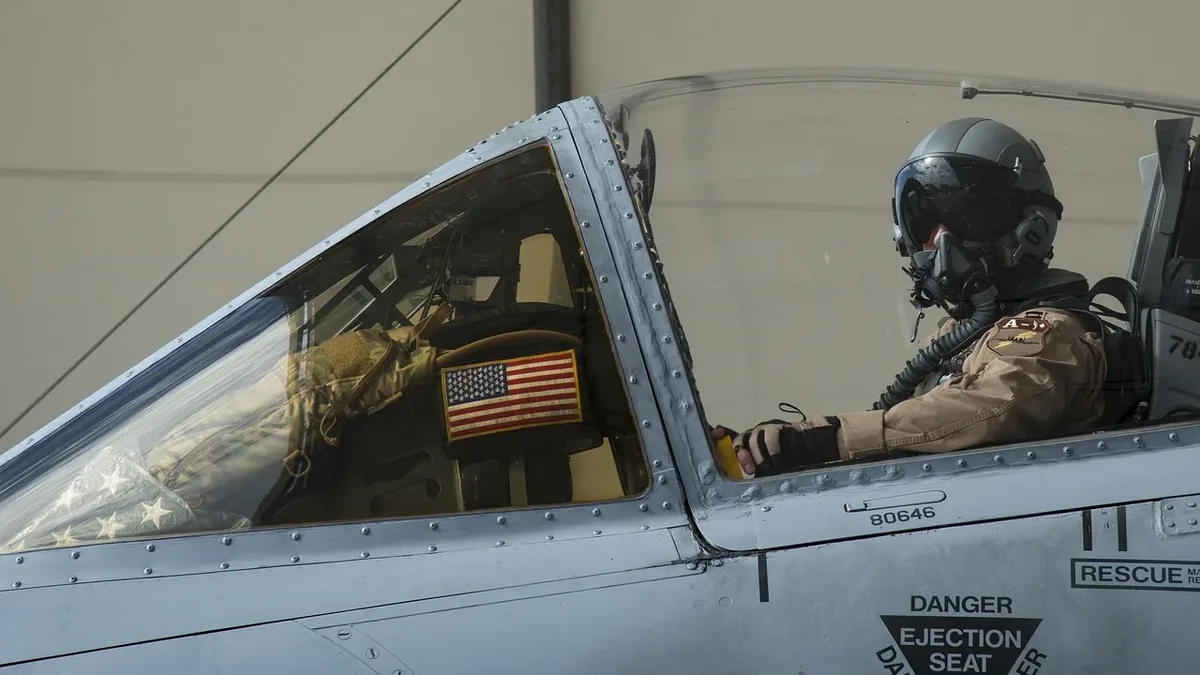
US Military Pilot Salaries Face Retention Pressure in 2026
Salaries for US military pilots in 2026 reflect intense competition from commercial airlines, with total compensation packages reaching six figures...
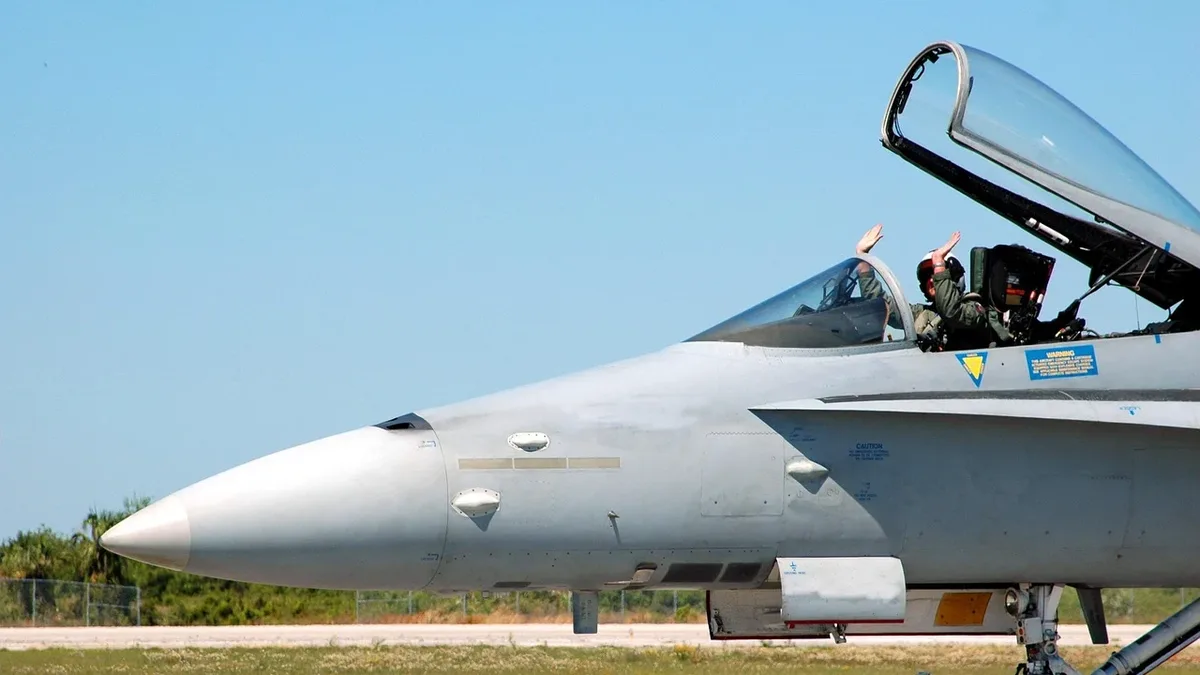
F-22 Pilot Awarded Top Safety Honor for Belly Landing
A US Air Force F-22 pilot received the service's highest flight safety award for successfully belly-landing a $156 million stealth fighter after a...
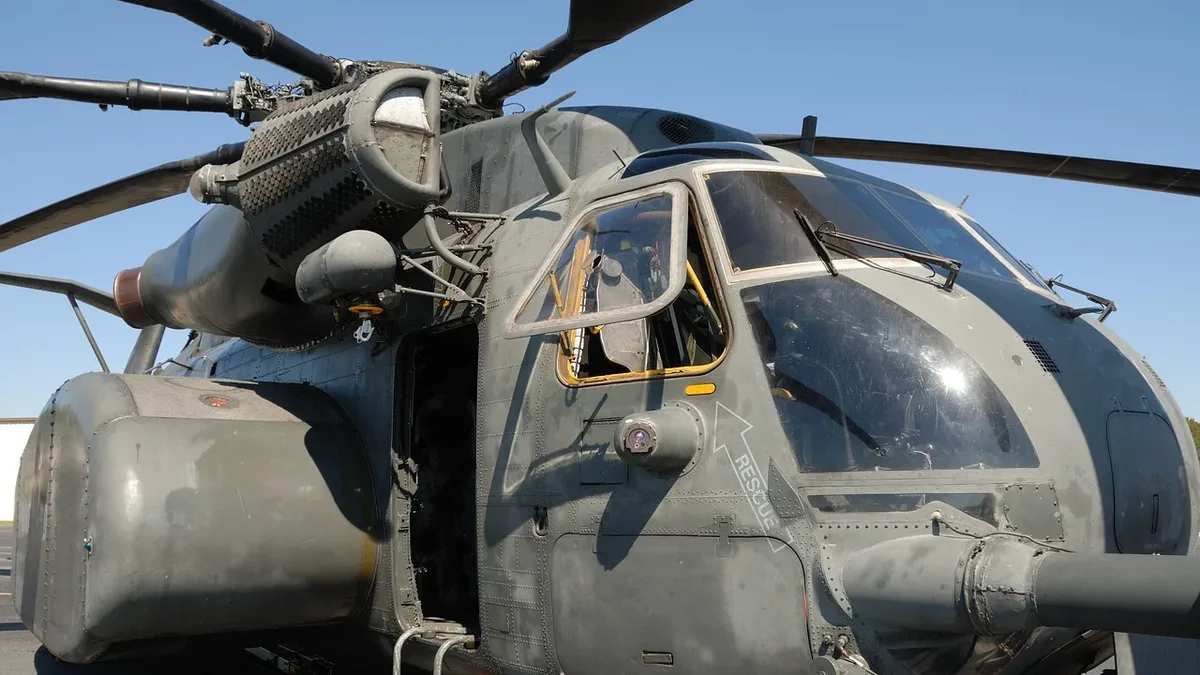
Horizon Aircraft CEO Targets Helicopter Market with Hybrid
Horizon Aircraft's CEO, a former fighter pilot, positions the hybrid-electric Cavorite X7 as a faster, cheaper, and safer alternative to traditional
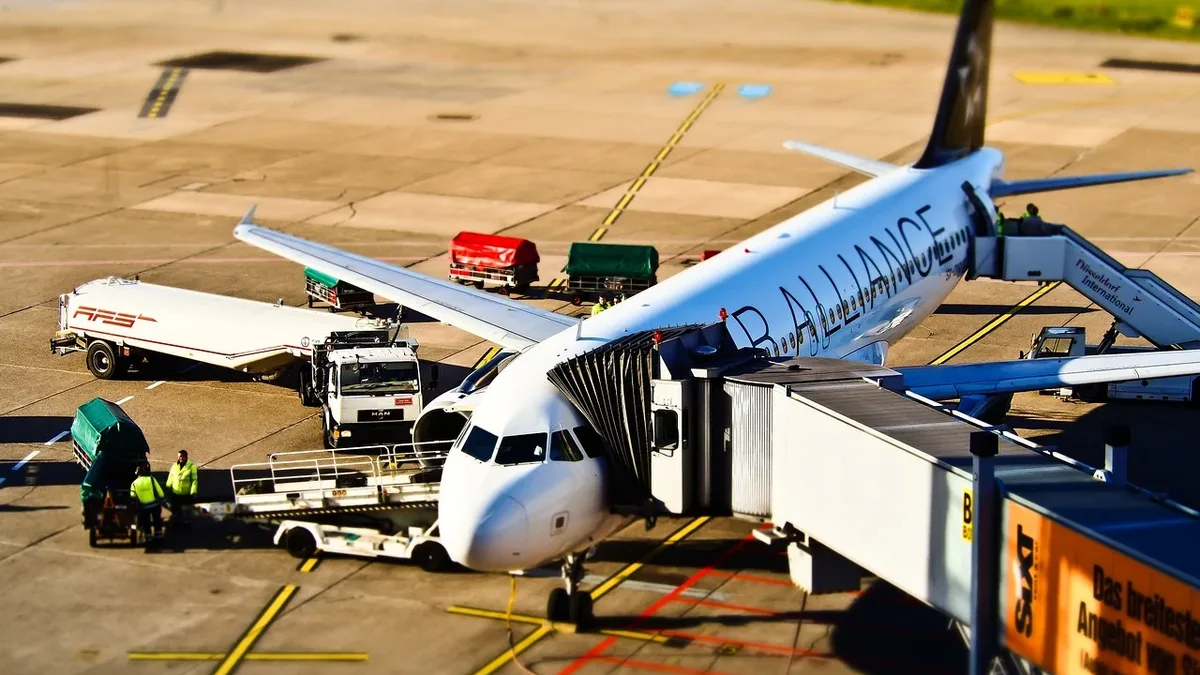
Aviation Coalition Urges FAA to Preempt State Crew Rest
A coalition of major aviation groups is calling on the FAA to assert federal authority over pilot duty and rest rules, arguing a national standard is

Delta, ALPA Negotiate Crew Scheduling as
Delta Air Lines and the Air Line Pilots Association are negotiating crew scheduling practices as their pilot agreement nears expiration.