Powered Lift And The Evtol Special Rules
Origin and history
The regulatory concept of Powered Lift and its associated special rules for eVTOL aircraft originated in the United States. The framework was developed in the early 21st century, specifically during the 2010s, as a direct response to the emergence of novel aircraft designs that did not fit cleanly into existing regulatory categories. Aviation authorities, primarily the Federal Aviation Administration (FAA), recognized that traditional regulations for airplanes or rotorcraft were insufficient for these hybrid vehicles. The need for a new pathway became urgent as numerous companies began developing electric vertical takeoff and landing (eVTOL) vehicles for advanced air mobility missions. The international regulatory community, including the European Union Aviation Safety Agency (EASA), began parallel developments to create their own frameworks for these aircraft types. This period marked a significant shift in aviation rulemaking to accommodate technological innovation while maintaining safety standards.
What it is for
Powered Lift classification and the eVTOL Special Rules exist to integrate a new class of aircraft into the national airspace system safely and efficiently. Their primary purpose is to provide a clear regulatory pathway for aircraft that utilize distributed propulsion and can transition between vertical and forward flight. This framework addresses the unique operational characteristics and safety considerations of these vehicles, which differ fundamentally from traditional helicopters or fixed-wing aircraft. It establishes the standards for airworthiness, pilot certification, and continued operational safety for these novel designs. The rules are designed to enable the commercial operation of eVTOL aircraft for urban and regional air mobility services. Ultimately, the framework serves to foster innovation while ensuring these new operations meet the high safety benchmarks expected in civil aviation.
Overview
Powered Lift is a formal aircraft category defined by aviation regulators for aircraft that can take off and land vertically using engine-driven lift devices but also utilize aerodynamic surfaces for forward flight. The eVTOL Special Rules are a set of performance-based regulations crafted specifically for these electric vertical takeoff and landing aircraft under the Powered Lift umbrella. This regulatory structure covers all aspects of the aircraft's lifecycle, including design, production, maintenance, and operation. It outlines the requirements for type certification, specifying how an aircraft must demonstrate safe flight in both its vertical and horizontal flight regimes. The rules also define the operational limitations, necessary equipment, and minimum safety performance for these aircraft. This overview represents a foundational shift from prescribing specific design solutions to defining required safety outcomes for novel configurations.
What to know
A key point is that Powered Lift certification is distinct from both standard airplane and rotorcraft certification, creating a third path with its own set of requirements. Pilots operating these aircraft will require a new type of rating, distinct from a traditional airplane or helicopter license, which addresses the unique skills needed for transition flight and distributed electric propulsion systems. The operational rules will likely involve new infrastructure considerations, such as vertiports, and integration into air traffic management systems designed for dense urban environments. Understanding that these regulations are performance-based is crucial; they define *what* safety level must be achieved, not *how* the aircraft must be designed to achieve it. Stakeholders should know that regulatory harmonization between major authorities like the FAA and EASA is an ongoing process, which may impact global aircraft design and operations. It is also important to recognize that these rules are evolving in real-time alongside the technology, requiring continuous engagement from manufacturers and operators.
Common questions
A common question is whether eVTOL aircraft will be regulated as helicopters, to which the answer is no; they have a dedicated Powered Lift certification path. People often ask what kind of pilot license is needed, which will be a new Powered Lift rating with specific training on transition flight and systems management. Many inquire about the noise regulations, as these rules include strict community noise limits that are more stringent than those for traditional aircraft operating in similar areas. A frequent operational question concerns the requirements for instrument flight rules (IFR) operations, which are addressed within the special rules and demand specific reliability and navigation capabilities. There is also significant inquiry into the maintenance regulations, which will establish new protocols for personnel certification and procedures specific to high-voltage electrical systems and distributed propulsion. Finally, questions about airspace access are common, with the rules defining performance requirements for operating in controlled airspace and near airports.
Pros and cons
A significant advantage of this specialized regulatory framework is that it accelerates the certification of innovative aircraft by providing clear, tailored requirements instead of forcing designs into ill-fitting existing categories. It also enhances safety by directly addressing the unique failure modes and operational profiles of eVTOL aircraft, such as transition phase risks and battery system integrity. However, a notable con is the initial complexity and potential for inconsistency, as regulators and industry co-develop these rules, which can lead to uncertainty and delays for early applicants. Companies may regret the substantial investment required to navigate this first-of-its-kind certification process, which can be more resource-intensive than adapting to a mature, well-understood regulatory path. A common mistake is underestimating the depth of evidence required to demonstrate compliance with performance-based standards, particularly for novel systems with no prior certification history. Furthermore, the evolving nature of the rules means that early-certified aircraft may face future regulatory changes, potentially requiring costly modifications.
Who it suits
This regulatory framework suits aircraft manufacturers developing eVTOL and other advanced powered-lift vehicles that cannot be certified as conventional airplanes or rotorcraft. It is designed for companies committed to a lengthy and collaborative certification process with aviation authorities, requiring substantial technical and regulatory expertise. The rules suit operations envisioned for advanced air mobility, such as urban air taxi services, regional on-demand flights, and other commercial passenger-carrying missions. It also suits regulatory bodies seeking to safely integrate a new generation of aircraft into the airspace without compromising existing safety levels. This pathway is less suited to amateur-built or experimental category aircraft, as it is intended for the certification of production aircraft for commercial service. Ultimately, it suits an ecosystem that includes not just manufacturers but also operators, maintenance organizations, and pilot training schools dedicated to supporting this new industry.
Latest Powered Lift And The Evtol Special Rules news
Latest reporting
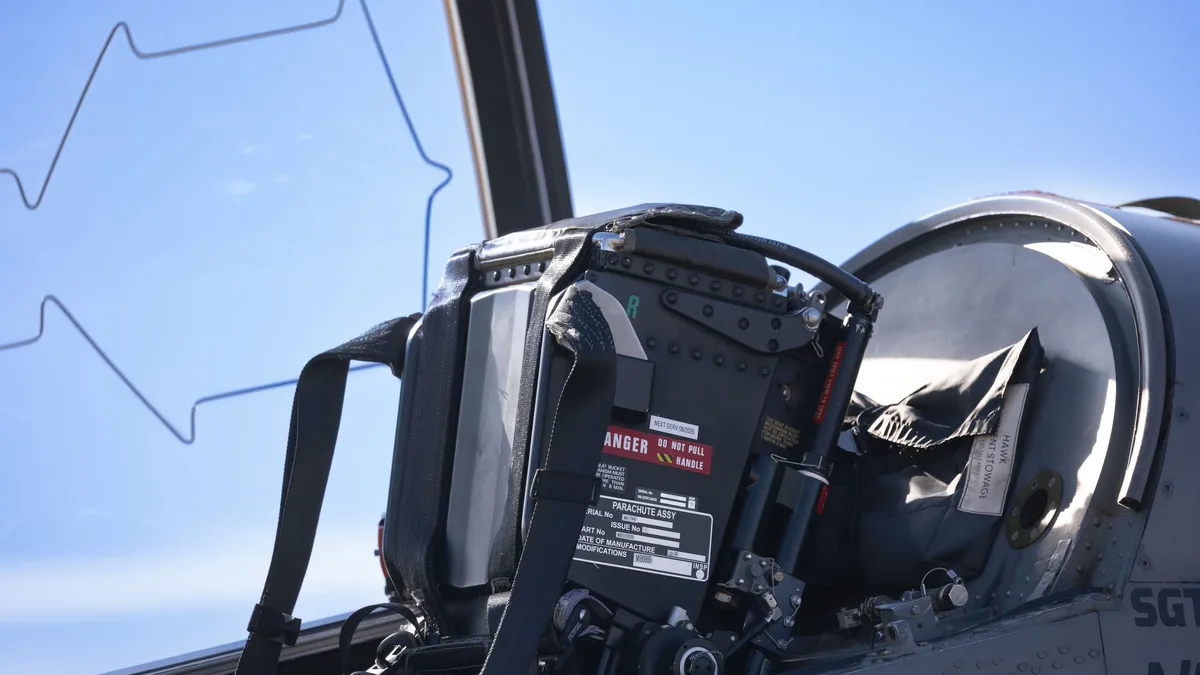
FAA Proposes Relaxing Oxygen Mask Rules for Pilots
The FAA has proposed easing oxygen mask requirements for pilots operating pressurized aircraft under Parts 91 and 135, citing modern safety systems...
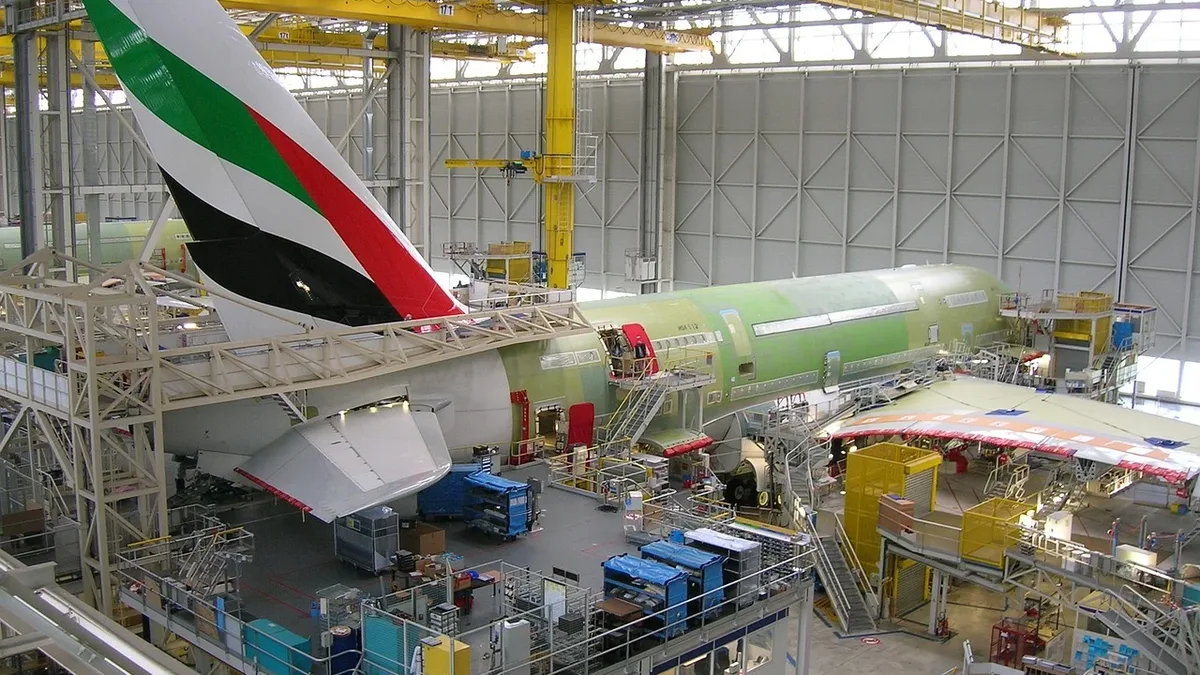
Vertical Aerospace Opens Valo Assembly Center at Cotswold
Vertical Aerospace has opened a new 60,000-square-foot assembly center at Cotswold Airport to build preproduction certification Valo eVTOL aircraft...

Aviation Coalition Urges FAA to Preempt State Crew Rest
A coalition of major aviation groups is calling on the FAA to assert federal authority over pilot duty and rest rules, arguing a national standard is
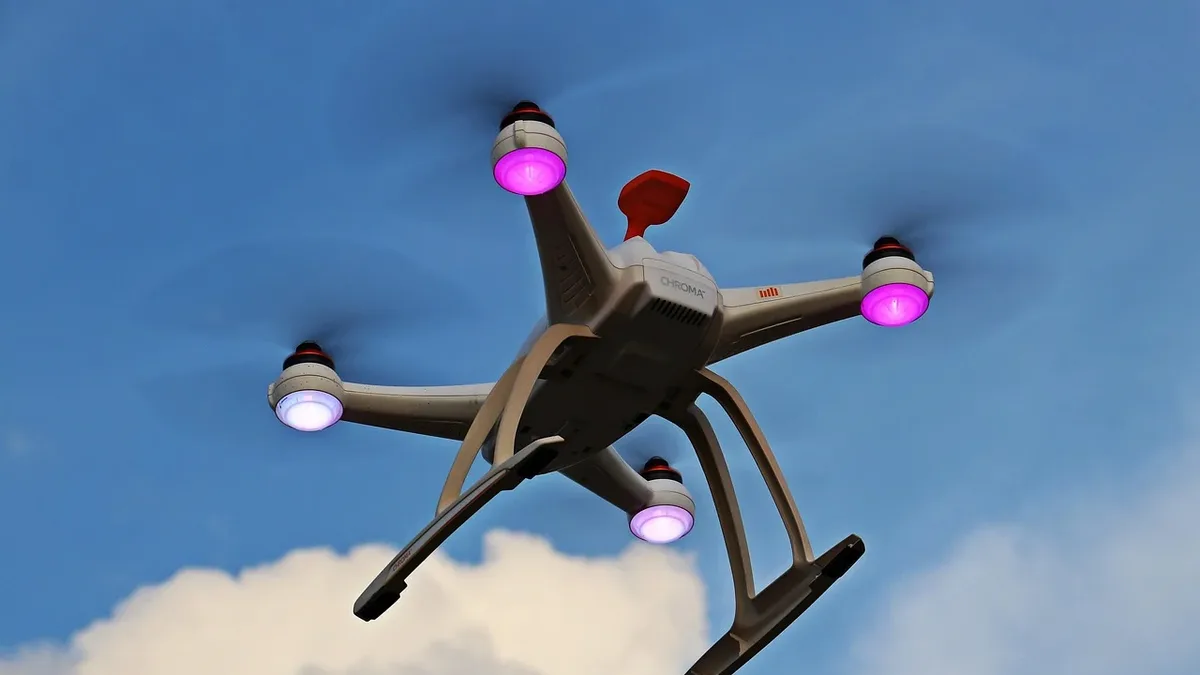
Archer Aviation Launches Public eVTOL Demo Tour in Northern
Archer Aviation begins a public demonstration tour of its Midnight eVTOL prototype in Northern California to shows electric air taxi benefits and...

FAA Proposes Easing Medical Rules for Non-Insulin Diabetes
The FAA has proposed a rule change allowing pilots with diabetes controlled by non-insulin medications to receive medical certificates directly from
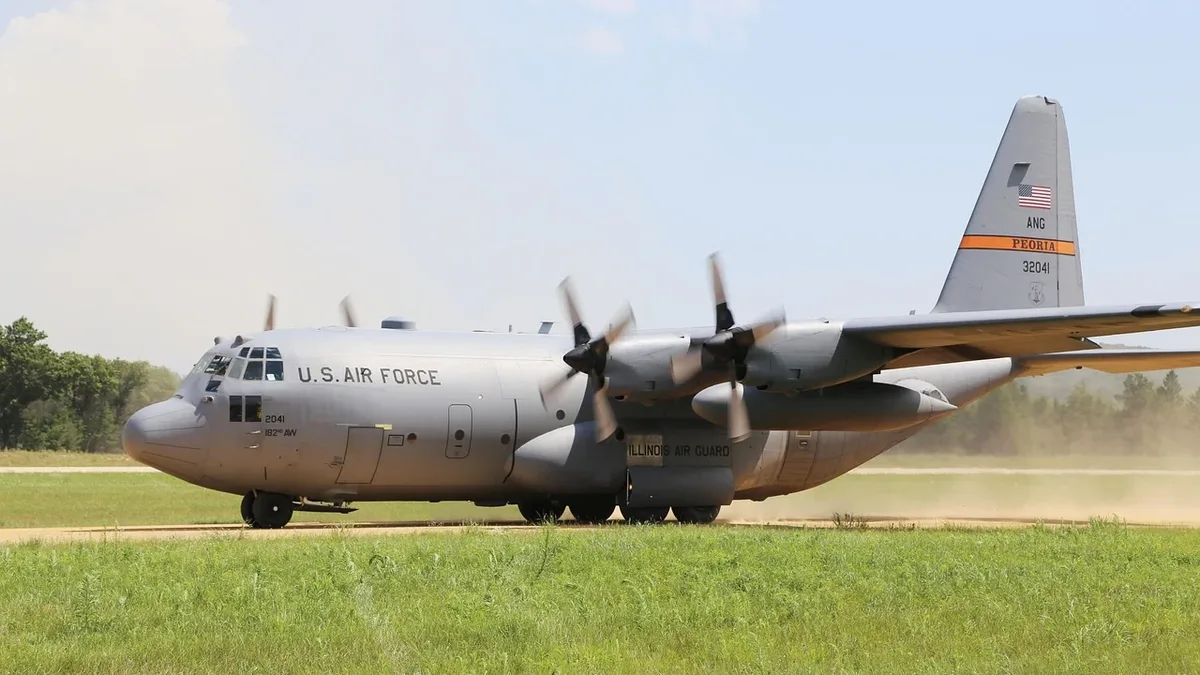
FAA Proposes Permanent Airspace Restriction
The FAA has proposed a permanent Special Flight Rules Area around former President Trump's Mar-a-Lago residence in Florida, a rare move requested by...