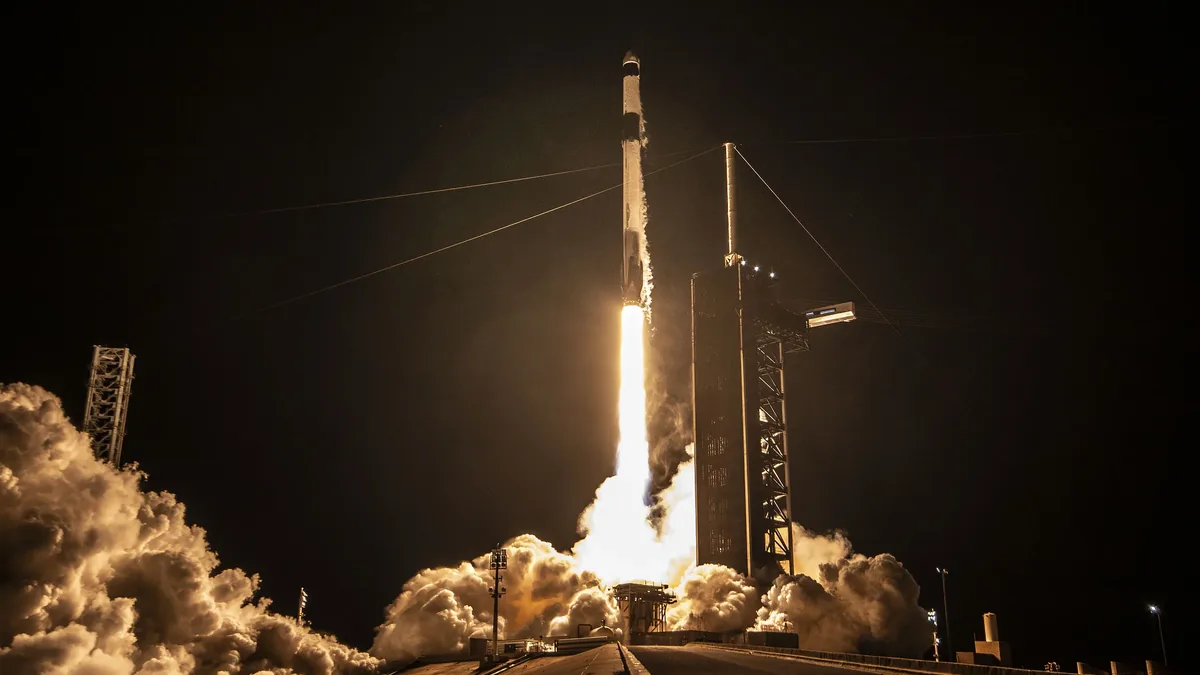
Space Launch Airspace Closures
| System type | Airspace management and safety system |
|---|---|
| Primary function | Temporarily restricts aviation airspace for launch/re-entry operations |
| Governing authority | Civil aviation authority (national) and/or military |
| Activation trigger | Scheduled or emergency space vehicle launch or re-entry |
| Notification method | NOTAMs (Notices to Airmen) and/or official advisories |
| Typical duration | Hours to days |
| Typical shape | Cylindrical or corridor-based volume of airspace |
Origin and history
Space Launch Airspace Closures originated in the United States during the mid-20th century, coinciding with the dawn of the space age. The need for such procedures became evident with the first experimental rocket launches from sites like Cape Canaveral in the 1950s. These early operations required the temporary restriction of airspace to prevent collisions between aircraft and ascending launch vehicles or falling debris. The formalization of these closures evolved alongside the development of national and international air traffic management systems. Regulatory frameworks were gradually established by aviation authorities, such as the Federal Aviation Administration (FAA) in the US, to integrate space operations into the National Airspace System. The practice has since been adopted and adapted by other spacefaring nations and regions, including Russia, China, and the European Union, as their launch capabilities developed.
What it is for
The primary purpose of Space Launch Airspace Closures is to ensure the absolute safety of aircraft during the launch and, often, the return of space vehicles. It physically segregates a defined volume of airspace from all non-participating air traffic for a specific time window. This prevents potential catastrophic collisions between aircraft and the launch vehicle, its jettisoned stages, or any debris in the event of a failure. The system also protects aircraft from potential hazards like sonic booms generated during ascent or re-entry and from unanticipated debris fields. Furthermore, it provides a predictable and protected corridor for the launch vehicle itself, allowing it to follow its planned trajectory without external interference. By creating this sterile environment, the closure enables launch operators and air traffic control to manage the unique risks of spaceflight operations within the broader aviation ecosystem.
Overview
Space Launch Airspace Closures are temporary restrictions of defined three-dimensional blocks of airspace, known as Special Use Airspace, specifically activated for launch and re-entry operations. The closure is typically shaped like a corridor or a series of cones extending from the launch site along the planned flight path, often over international waters. Its dimensions and duration are meticulously calculated based on the vehicle's trajectory, performance characteristics, and potential risk analysis for debris dispersion. Activation times are precisely scheduled and coordinated years in advance, with specific start and end times published in official aeronautical notices. Air traffic control reroutes all commercial, private, and military flights around these active zones, often adding significant flight distance and time. The entire process involves close coordination between the space launch operator, national air navigation service providers, civil aviation authorities, and often military agencies.
What to know
The planning for a major closure can begin several years before a launch, requiring complex integration into long-term air traffic flow management. Closures are not static; they can be adjusted or canceled shortly before activation based on weather conditions or technical delays, causing significant disruption to pre-planned flight routes. The economic impact on airlines is substantial, as rerouting consumes extra fuel, increases crew time, and can cause cascading delays across the network. There are different types of restricted airspace used, including Warning Areas, Restricted Areas, and Temporary Flight Restrictions, each with specific rules governing access. The International Civil Aviation Organization provides global standards and recommended practices, but implementation is managed by sovereign states, leading to variations in procedures. Understanding the hierarchy of authority is crucial, where aviation safety regulators ultimately mandate the closure, but operational details are negotiated between ATC and the launch provider.
Common questions
How far in advance are pilots notified of an upcoming closure? Notices are published through official aeronautical information publications weeks or months ahead, with specific details refined as the launch date approaches. Can any aircraft enter the closed airspace? Entry is strictly prohibited for non-participating traffic, though mission-support aircraft, such as range safety or tracking planes, may operate inside with explicit clearance. What happens if an aircraft accidentally enters an active closure? This is considered a serious incident, triggering immediate emergency procedures by air traffic control and potentially requiring the launch to be scrubbed or terminated. Why can't flights just fly over a launch corridor? The closure often extends to very high altitudes, including into the upper limits of controlled airspace, to account for the possibility of a vehicle breakup or the jettisoning of high-altitude debris. Are closures needed for small suborbital launches? Yes, though typically smaller in scale and duration, any launch that propels an object through navigable airspace requires some form of temporary restriction. How is international air traffic coordinated for launches over oceans? This is managed through complex bilateral and multilateral agreements between air traffic control centers, rerouting vast numbers of oceanic tracks.
Pros and cons
It provides a clear, regulated framework that allows the coexistence of rapidly growing space traffic with dense commercial aviation. However, the system imposes significant costs on the aviation industry through increased fuel burn, longer flight times, and operational complexity for dispatchers and controllers. A common mistake is underestimating the cascading delay effects across the global network, especially for major launch sites located under busy airways. Operators of time-sensitive cargo or passenger flights often regret the inflexibility of the system when closures cause missed connections or schedule disruptions. Furthermore, the process can be inefficient, as closures are often sized for worst-case scenarios, potentially restricting more airspace than is strictly necessary for nominal operations, and the coordination remains largely manual and labor-intensive.
Who it suits
This system suits nations and entities with established, high-tempo space launch programs that operate from fixed sites, as it provides a predictable, if disruptive, safety solution. It is essential for government space agencies and national defense departments conducting regular missions that require guaranteed access to corridors through national airspace. Large commercial launch providers with dedicated spaceports, such as those operating on coastlines, benefit from the established procedures to secure their launch windows. The system is less suited to regions with extremely dense air traffic and no clear over-water launch paths, where closures cause disproportionate economic impact. It is also poorly suited for the envisioned future of rapid, responsive launches from many distributed locations, as current closure processes are too slow and cumbersome. Ultimately, it suits a paradigm where space launches are relatively infrequent, planned events rather than an integrated, routine form of transportation.
Latest Space Launch Airspace Closures news
Latest reporting
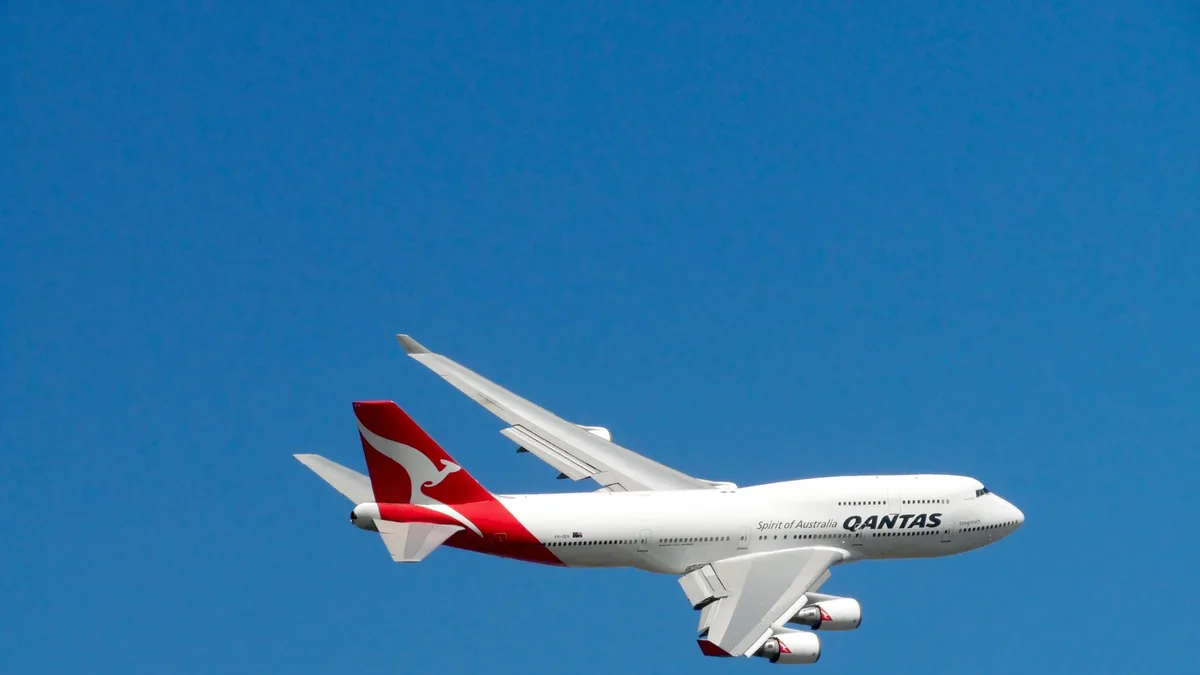
Qantas confirms nonstop Sydney-New York
Qantas will launch the first nonstop commercial flights between Australia and New York in mid-2028 using specially configured Airbus A350-1000ULR...
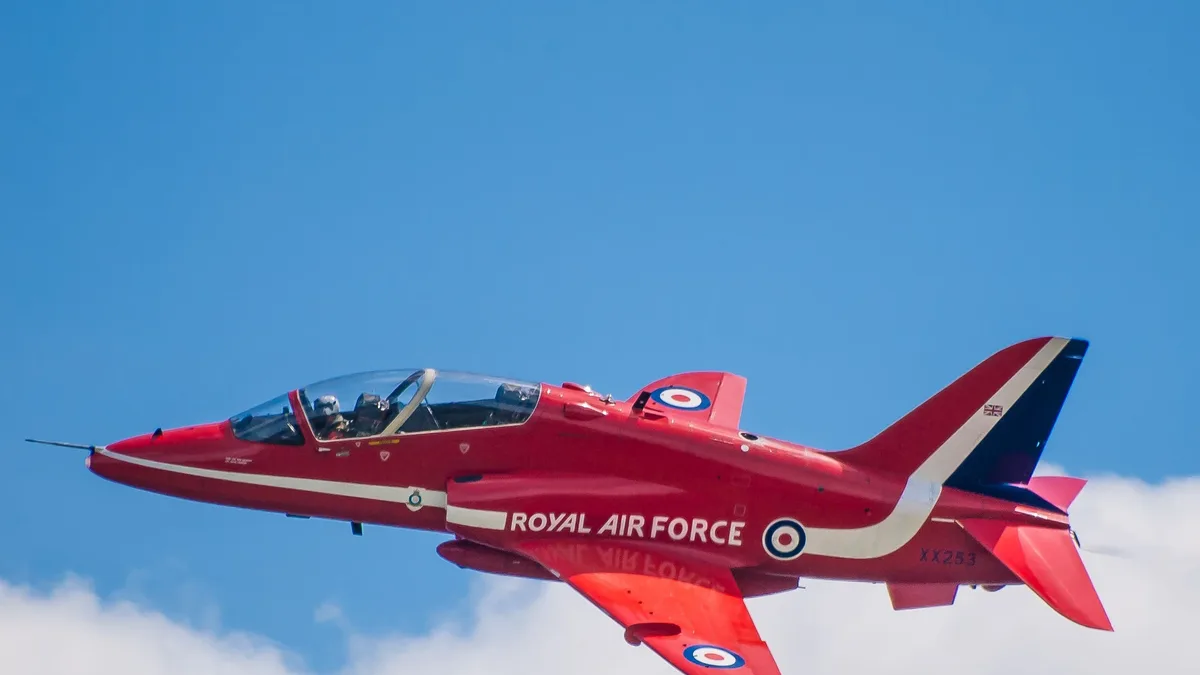
UK Royal Air Force forms first space effects
The UK has established No. III Space Effects Squadron, its first dedicated unit for offensive and defensive space operations, to disrupt and deny...
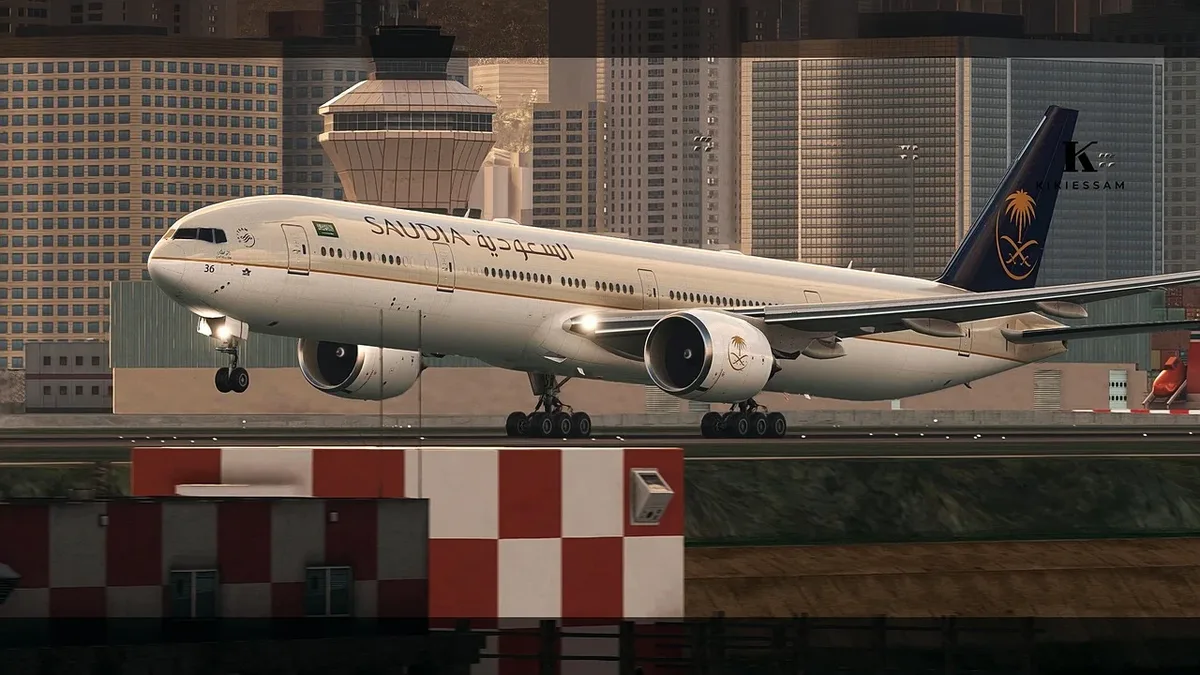
Fiji Airways to launch Western Sydney flights in 2027
Fiji Airways will become the first international carrier to serve Western Sydney International Airport, starting a three-times-weekly service from...

AirAsia and Pegasus launch first codeshare linking Asia
AirAsia has launched its first codeshare partnership with Turkish low-cost carrier Pegasus Airlines, connecting their networks via Istanbul.
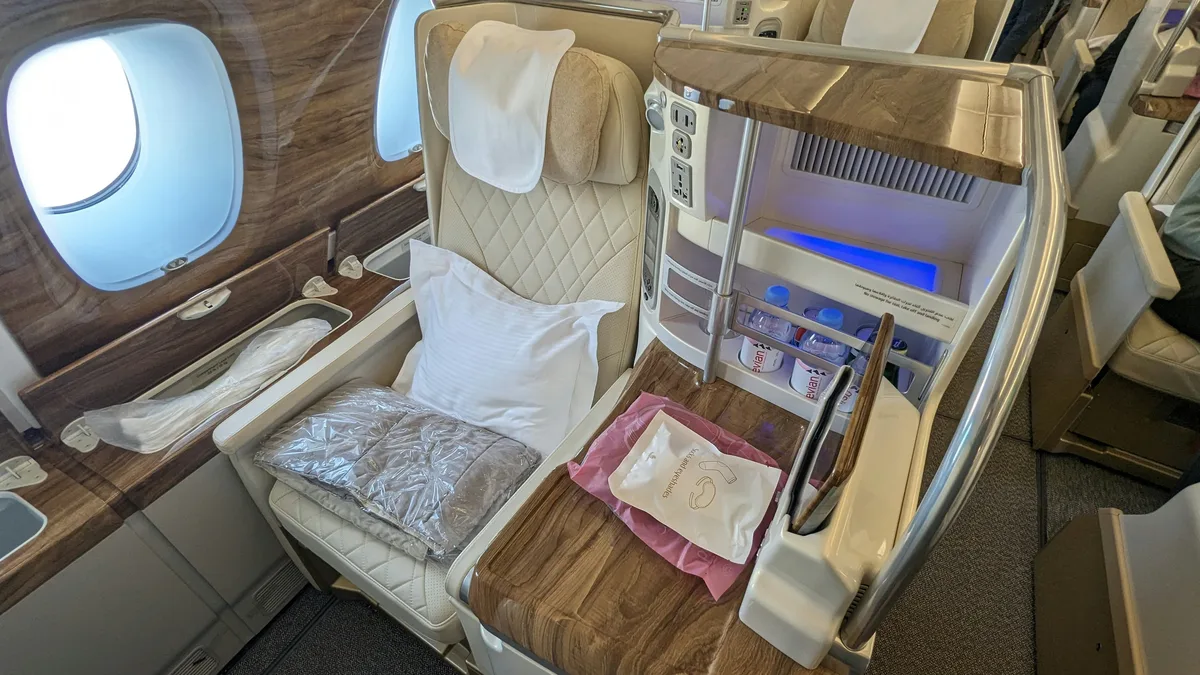
JetBlue to launch domestic first-class cabin in 2026
JetBlue will introduce its first traditional domestic first-class cabin, called BlueFirst, starting in late 2026.
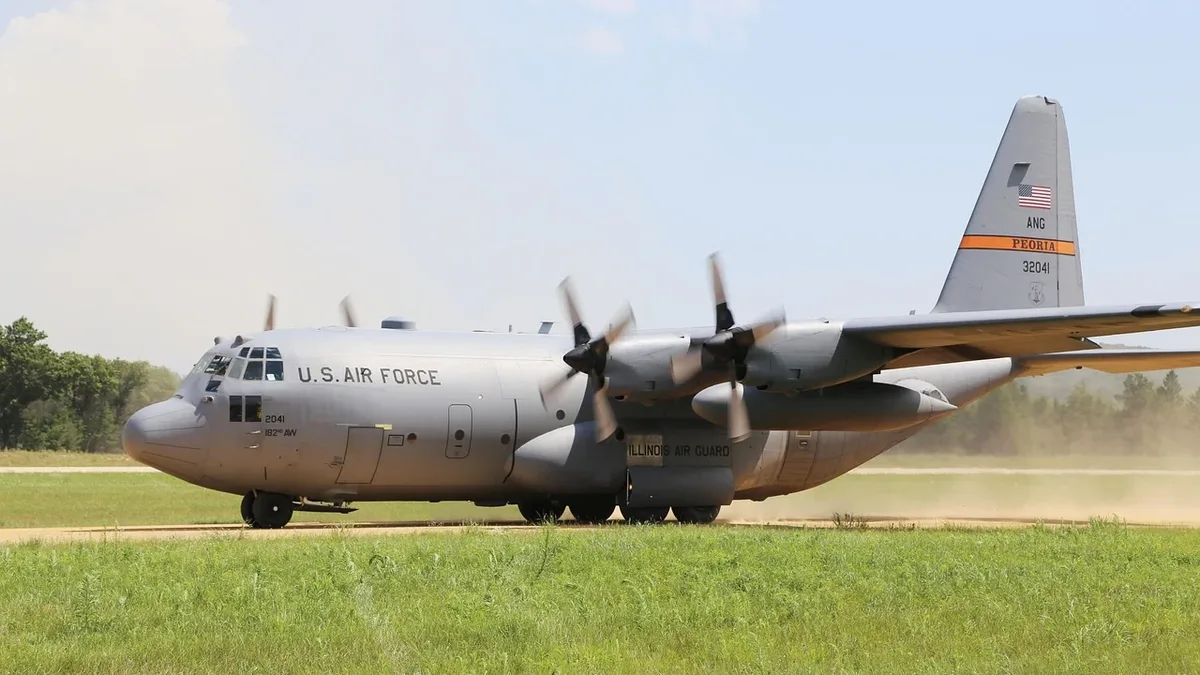
FAA Proposes Permanent Airspace Restriction
The FAA has proposed a permanent Special Flight Rules Area around former President Trump's Mar-a-Lago residence in Florida, a rare move requested by...