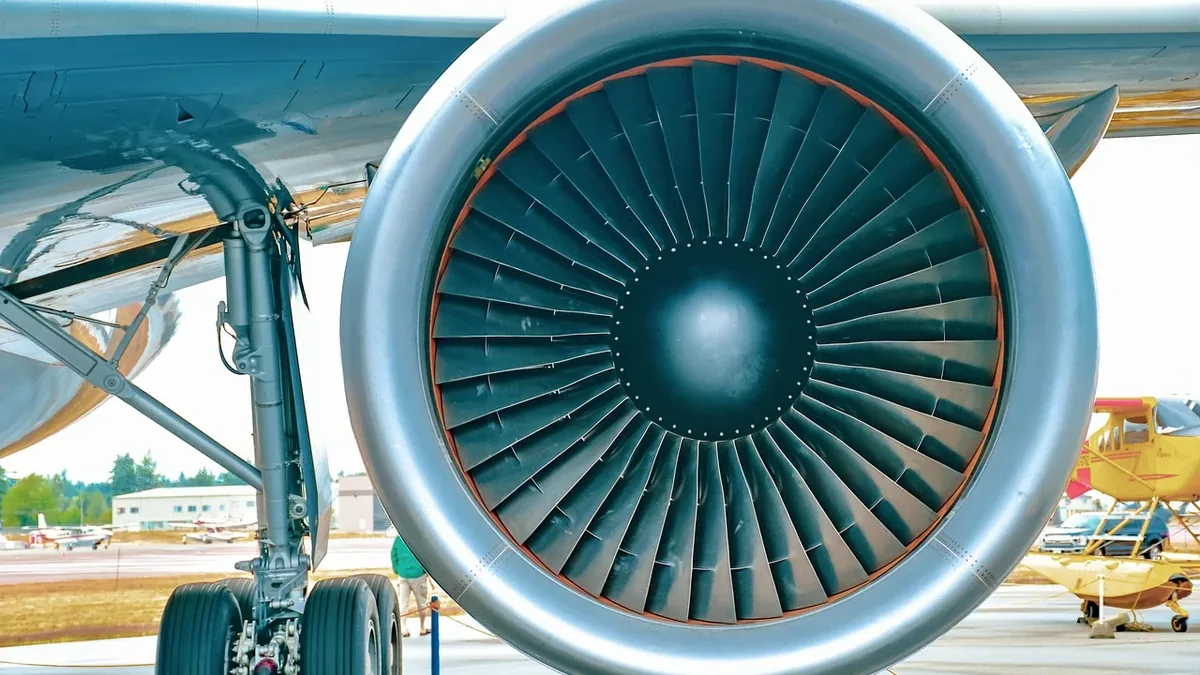
Tariffs On Aircraft And Parts
Origin and history
Tariffs on aircraft and parts are a component of international trade policy with origins in the early twentieth century, coinciding with the rise of national aviation industries. Major aviation-producing nations, including the United States and several European countries, began implementing such tariffs in the mid-1900s to protect their nascent aerospace manufacturing sectors. The framework for these trade measures evolved significantly with the establishment of the General Agreement on Tariffs and Trade (GATT) in the late 1940s, which sought to regulate and reduce such barriers. A landmark development was the 1979 Agreement on Trade in Civil Aircraft, negotiated under the GATT, which aimed for duty-free trade among its signatories for covered products. Despite this agreement, tariffs and trade disputes have persisted, particularly between major economic blocs like the United States and the European Union. The historical application of these tariffs has often been cyclical, intensifying during periods of economic nationalism or specific trade disputes before subsiding under negotiated settlements.
What it is for
The primary purpose of tariffs on aircraft and parts is to protect and promote a nation's domestic aerospace manufacturing industry from foreign competition. Governments impose these import taxes to make foreign-produced aircraft and components more expensive, thereby encouraging airlines and operators to source from domestic suppliers. A secondary purpose is to generate revenue for the national treasury, though this is typically a minor consideration compared to the strategic industrial policy goals. These tariffs can also serve as a bargaining chip in broader international trade negotiations, used to leverage concessions in other economic sectors. In some cases, they are employed as a retaliatory measure in trade disputes, targeting the aerospace sector due to its high economic value and symbolic importance. Fundamentally, the system exists to influence the global competitive landscape in a high-value, technology-intensive industry deemed critical for national security and economic prosperity.
Overview
Tariffs on aircraft and parts are a form of border tax applied to imported complete aircraft, airframes, engines, avionics, and other components. The system operates within a complex web of multilateral, plurilateral, and bilateral trade agreements, with the WTO's Agreement on Trade in Civil Aircraft being a key but incomplete framework. Tariff rates can vary from zero for signatories of specific agreements to percentages in the low to mid-teens, applied to the customs value of the imported good. The administration of these tariffs involves customs authorities classifying products under detailed Harmonized System codes to determine the correct duty rate. Beyond straightforward import duties, the system also encompasses non-tariff barriers such as complex certification requirements and domestic subsidy programs that can have similar market-distorting effects. The practical impact extends throughout the aviation supply chain, affecting manufacturers, airlines, leasing companies, and ultimately the cost structure of air transport services.
What to know
It is crucial to know that the global landscape for these tariffs is not uniform; a product may face a zero tariff in one market and a significant duty in another based on the originating country. The distinction between civil and military aircraft and parts is fundamental, as military goods are typically excluded from trade agreements and subject to separate, often stricter, controls. Understanding the rules of origin is essential, as tariffs depend on where a product is deemed to be manufactured, which can be complex for items with components from multiple countries. Tariff suspensions or exclusions can be granted temporarily, often during trade disputes, creating a volatile and unpredictable environment for long-term procurement planning. The system is inherently political, with changes often driven by geopolitical tensions and the economic philosophies of governing administrations rather than static technical criteria. Stakeholders must also monitor related areas like anti-dumping duties and countervailing duties, which are additional trade remedies that can be applied on top of base tariff rates.
Common questions
A common question is whether tariffs make air travel more expensive for passengers, and the answer is that they can, as increased costs for airlines for new aircraft or parts may be passed through in ticket prices over time. Many ask why tariffs exist if there is a duty-free agreement, and the explanation is that not all major producers are full participants, and agreements often exclude certain parts or have loopholes. People often inquire who ultimately pays the tariff, and the economic burden is typically shared between the foreign exporter and the domestic importer, depending on market dynamics. A frequent question concerns how to avoid paying these tariffs, leading to discussions about foreign-trade zones, bonded warehouses, and careful supply chain planning to meet rules of origin. Stakeholders commonly ask how long a newly announced tariff will last, but these measures are often unpredictable and can remain for years or be removed suddenly as part of a political deal. Another recurring question is about the difference between a tariff and an import sales tax like Value-Added Tax, with the key distinction being that VAT is applied to all imports regardless of origin, while tariffs are discriminatory based on the product's source.
Pros and cons
A primary pro is that tariffs can provide critical protection for a domestic aerospace industry, allowing it to develop, preserve jobs, and maintain technological sovereignty without being undercut by established foreign rivals. They can also provide a government with leverage to negotiate more favorable overall trade terms, using the threat of tariffs to open foreign markets in other sectors. A significant con is that they increase costs for domestic airlines and operators, potentially making them less competitive against foreign carriers that can source equipment without such duties. Tariffs often lead to retaliation, sparking trade wars that can escalate and harm a wide range of industries beyond aerospace, as seen in historical disputes between the US and EU. A common mistake is underestimating the supply chain complexity, where protecting a final assembly industry with tariffs can raise costs for domestic component manufacturers who rely on imported specialized materials. Many airlines and leasing companies regret the instability, as sudden tariff impositions can disrupt fleet plans and financing models that were decades in the making, creating financial losses and operational uncertainty.
Who it suits
This system primarily suits national governments with strategic ambitions to build or preserve a large, integrated aerospace manufacturing base, viewing it as a pillar of industrial policy. It also benefits domestic aerospace companies that are not yet globally competitive, providing them a shielded home market in which to grow and achieve economies of scale. The system can suit political administrations that prioritize short-term, visible protection of manufacturing jobs over longer-term consumer and operator cost considerations. It is less suited to countries with small or non-existent aircraft manufacturing sectors, as their airlines gain no domestic benefit and only face higher costs from importing essential equipment. It is poorly suited to global airlines and lessors who operate across borders and seek to optimize their fleets based on total cost of ownership, for whom tariffs are a distortive and unpredictable expense. Ultimately, the system suits a world view where economic relations are seen as zero-sum and where national industrial champions are considered worth protecting at almost any cost.
Latest Tariffs On Aircraft And Parts news
Latest reporting
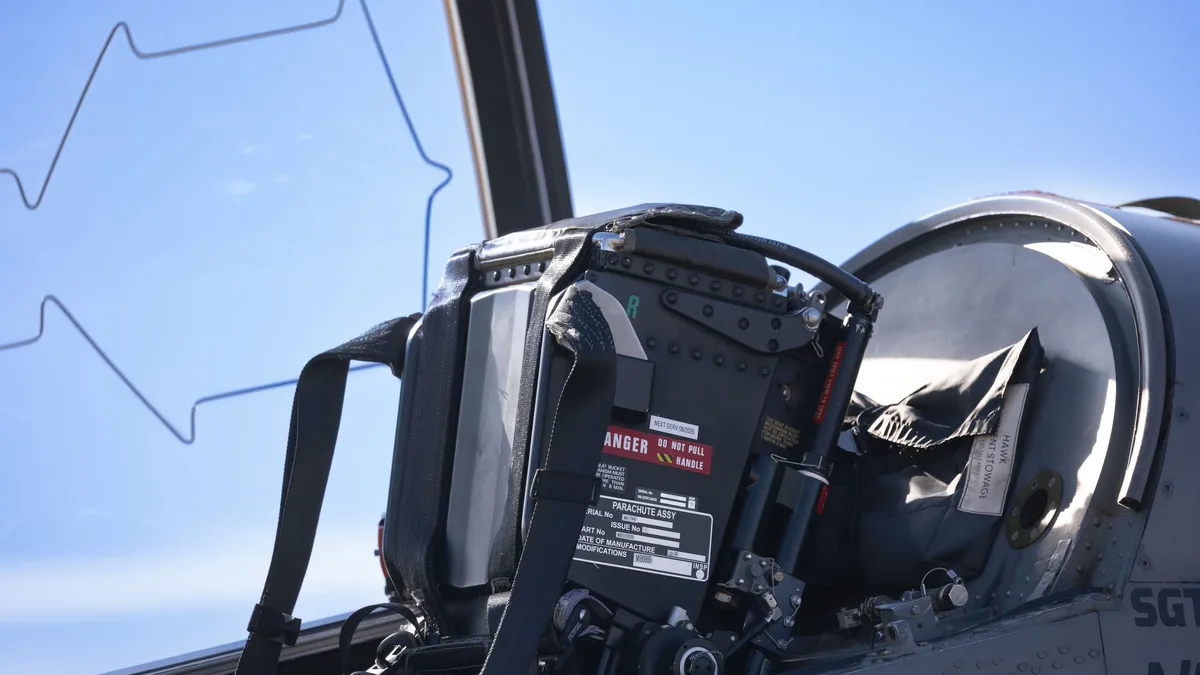
FAA Proposes Relaxing Oxygen Mask Rules for Pilots
The FAA has proposed easing oxygen mask requirements for pilots operating pressurized aircraft under Parts 91 and 135, citing modern safety systems...
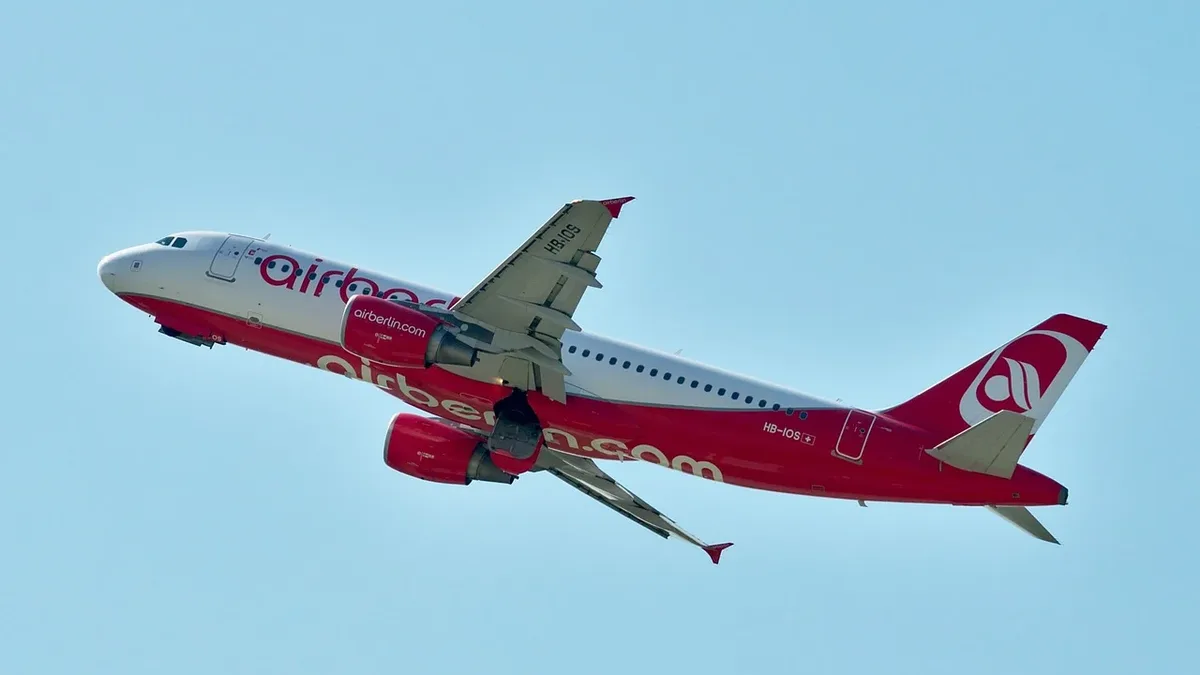
Airbus A321neo corrosion coating flaw affects over 500 jets
Airbus has identified a surface protection deviation on structural stringers in over 500 A321neo aircraft, stating it is a quality issue with a fix
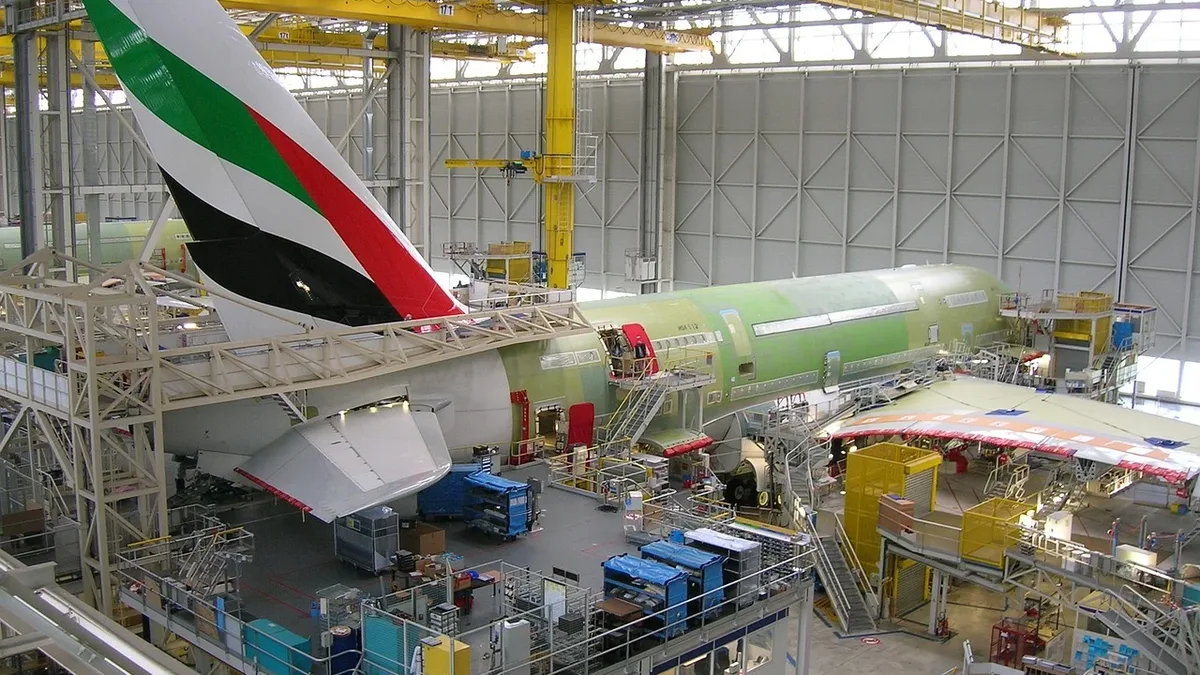
Vertical Aerospace Opens Valo Assembly Center at Cotswold
Vertical Aerospace has opened a new 60,000-square-foot assembly center at Cotswold Airport to build preproduction certification Valo eVTOL aircraft...
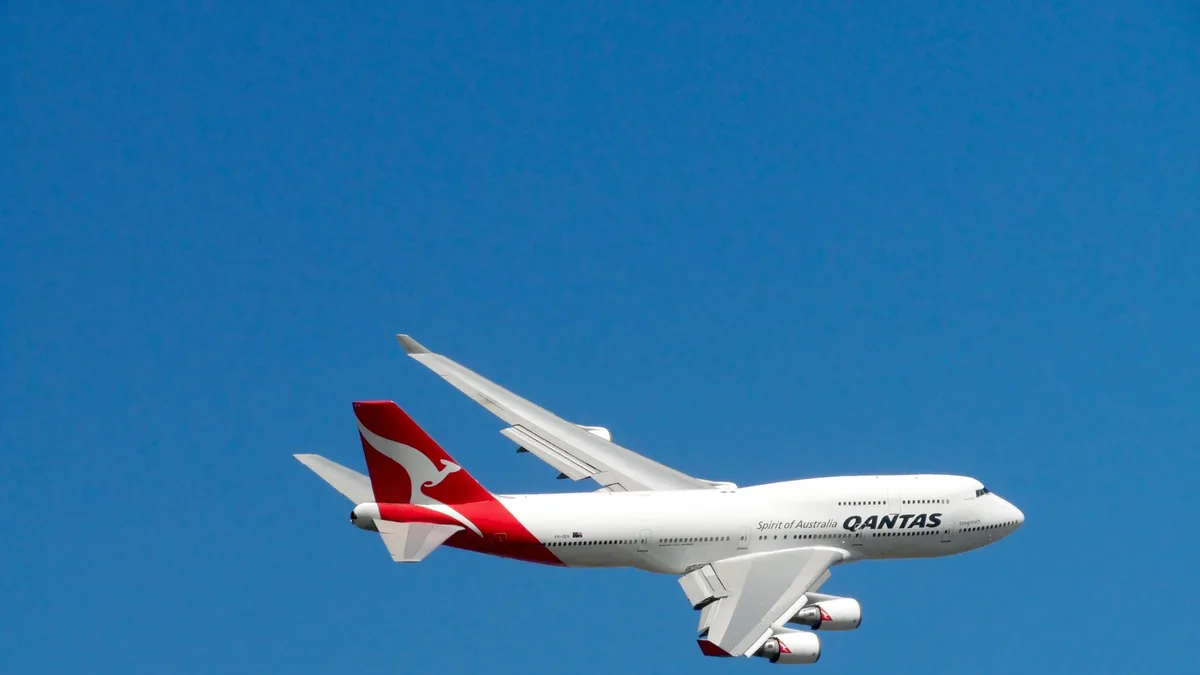
Qantas confirms nonstop Sydney-New York
Qantas will launch the first nonstop commercial flights between Australia and New York in mid-2028 using specially configured Airbus A350-1000ULR...
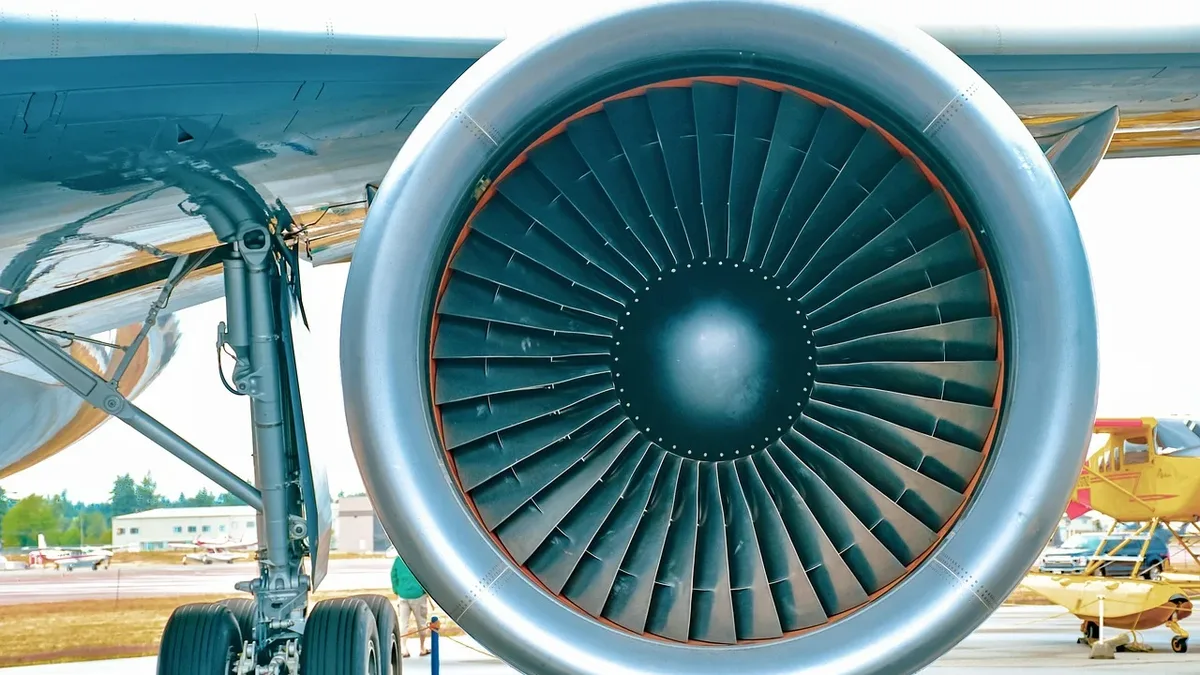
Airlines Face $11 Billion Cost From Unreliable New Engines
IATA reports that fuel-efficient engines from Pratt & Whitney and Rolls-Royce are causing high maintenance costs and aircraft groundings, offsetting
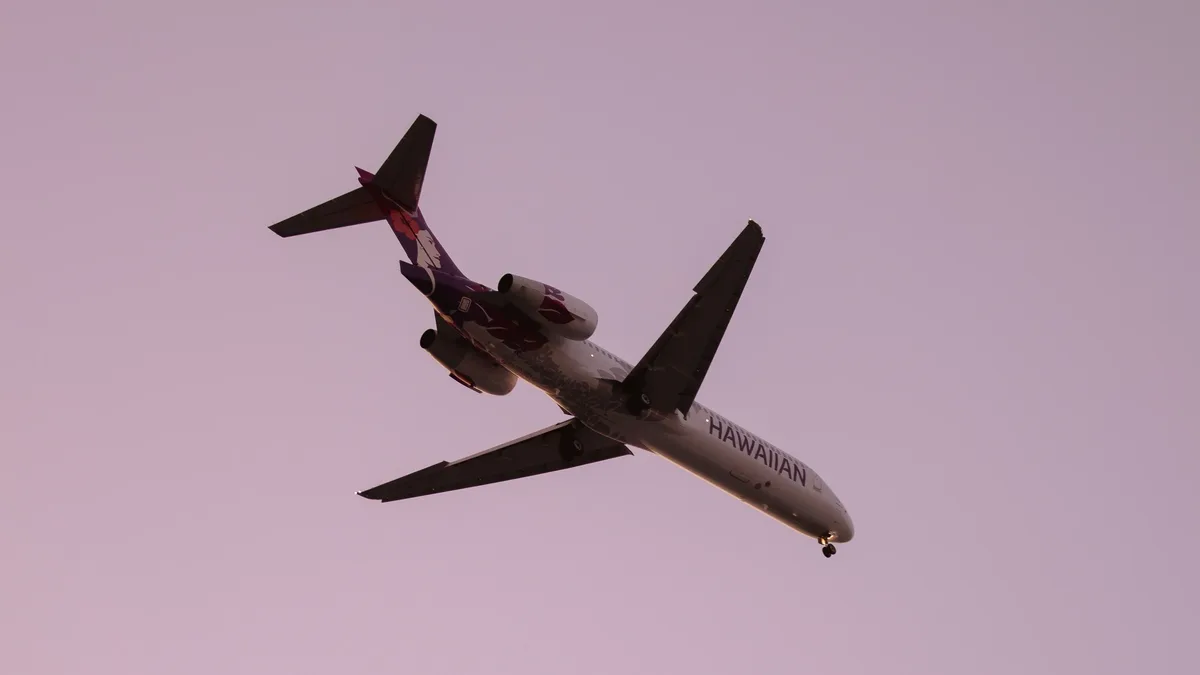
Alaska Airlines to operate 737s on Hawaiian
Alaska Airlines will begin operating Alaska-branded Boeing 737-800 aircraft on daily flights between Honolulu and Kahului from October 3...