Runway Status Lights
| Original use | Enhance runway safety by directly warning pilots and vehicle drivers |
|---|---|
| First created | 2000s (decade) |
| Country of origin | United States |
| Primary components | Runway Entrance Lights (RELs), Takeoff Hold Lights (THLs), Runway Intersection Lights (RILs) |
| Control method | Automated, based on surveillance radar and ASDE-X data |
| Operational status | Installed at select major U.S. airports |
| Visual signal | Red, pulsing or steady lights |
Origin and history
Runway Status Lights originated in the United States as a research and development initiative led by the Federal Aviation Administration. The program began in earnest in the late 1990s, with the goal of directly addressing runway incursions through a pilot-centric, independent alerting system. Initial research and prototype testing took place throughout the early 2000s to evaluate the feasibility and effectiveness of the light technology. The core concept was to utilize the airport surface itself as the medium for delivering unambiguous stop/go signals to flight crews. This development period involved extensive collaboration with NASA and industry partners to refine the system's logic and reliability. The first full-scale operational installation of the final system, known as RWSL, was implemented in the 2010s at a major U.S. airport.
What it is for
Runway Status Lights are an autonomous, ground-based safety system designed to directly warn pilots of potential runway conflicts. Its primary function is to signal to pilots and vehicle operators when it is unsafe to enter, cross, or begin takeoff on a runway. The system operates independently of air traffic control radio communications, providing a critical redundant layer of safety. It directly addresses the risk of runway incursions, which occur when an aircraft, vehicle, or person is on a runway without authorization. The lights are activated automatically based on surveillance data from radar and other sensors that monitor runway occupancy. This provides a direct, visual "stop" command on the runway surface itself, supplementing ATC instructions and cockpit procedures.
Pros and cons
A primary advantage is the system's provision of a direct, unambiguous visual signal to flight crews, reducing reliance solely on correct radio communication interpretation. It operates autonomously and continuously, offering protection even when controller workload is high or during complex traffic sequences. A significant con is the high installation and maintenance cost, which involves embedding high-intensity red lights in runways and taxiways and integrating complex surveillance and logic systems. The system can occasionally generate nuisance or "false positive" alerts, illuminating lights when the runway is technically safe but the system's conservative logic perceives a potential conflict, which can lead to operational delays. Another drawback is that the lights are only effective in conditions of sufficient visibility, providing no direct benefit during very low visibility operations like dense fog. Some operators regret the investment if their airport has a lower traffic density where the cost-benefit ratio is less favorable, and a common mistake is over-reliance on the lights without maintaining strict adherence to ATC clearances and standard operating procedures.
Who it suits
This system best suits high-density, complex airports with a history of runway incursions or a high mix of aircraft operations, including commercial, cargo, and general aviation. It is particularly suited for nations and airport authorities with the financial resources to fund the significant capital investment and ongoing maintenance required. Airports with existing advanced surface surveillance infrastructure, such as ASDE-X, are more suitable as the light system can be integrated with these sensor networks. The system suits operational environments where enhancing situational awareness for pilots independently of the ATC radio frequency is a stated safety priority. It is less suited for small, low-traffic airports where the cost cannot be justified by the relatively low risk of runway incursions. The technology also suits regulatory environments that prioritize implementing technological solutions to mitigate human error in the airport movement area.
Latest Runway Status Lights news
Latest reporting

Vietnam Airlines 787 Overruns Munich Runway in August 2026
A Vietnam Airlines Boeing 787-9 overran the runway during takeoff from Munich on August 15, 2026, striking approach lights and damaging its landing...

Trans Air Cargo DC-8 freighter crashes in Kinshasa
A rare DC-8-73CF freighter overran the runway at Kinshasa's N'Djili International Airport on September 8, 2026, collapsing its nose gear.
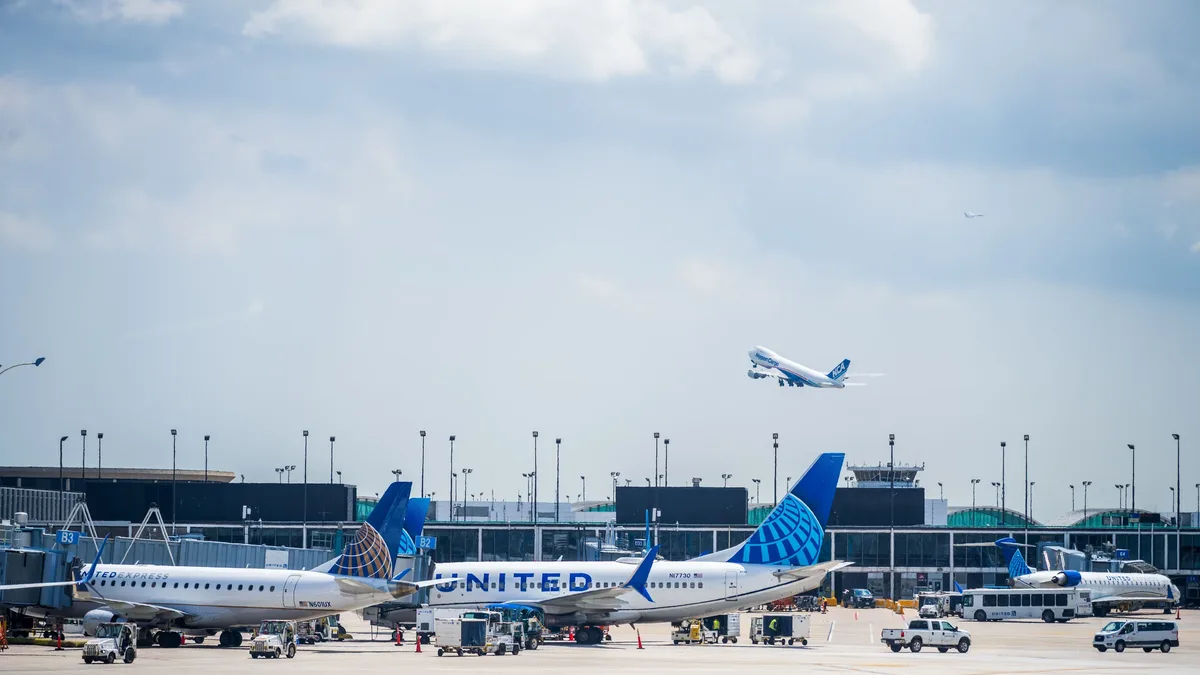
NTSB Begins Investigation into Fatal Amazon Prime Air Crash
The NTSB has launched its investigation into the fatal runway overrun of an Amazon Prime Air Boeing 767 cargo jet at Miami International Airport...

Miami 767 Overrun
A Boeing 767-300 freighter operating for Amazon Air overran Runway 30 at Miami International Airport, killing at least five people and injuring three
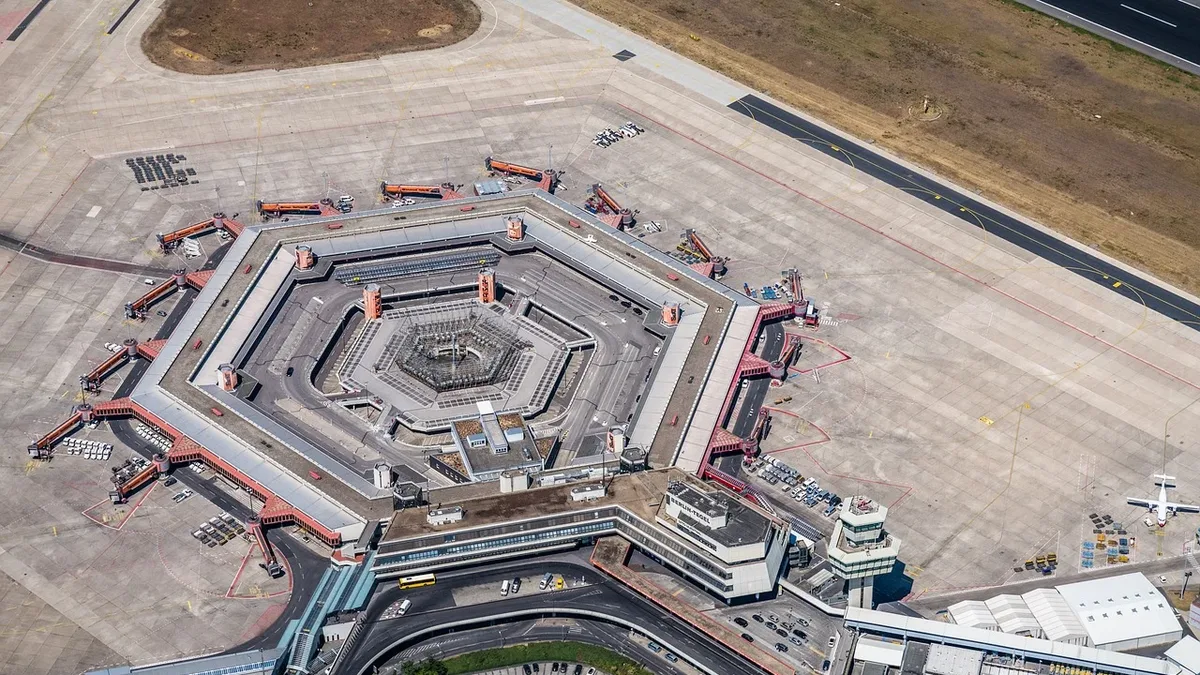
Five airports share one runway
Five major airports handling between 25 and 45 million passengers annually rely on a single active runway, making them uniquely vulnerable to...
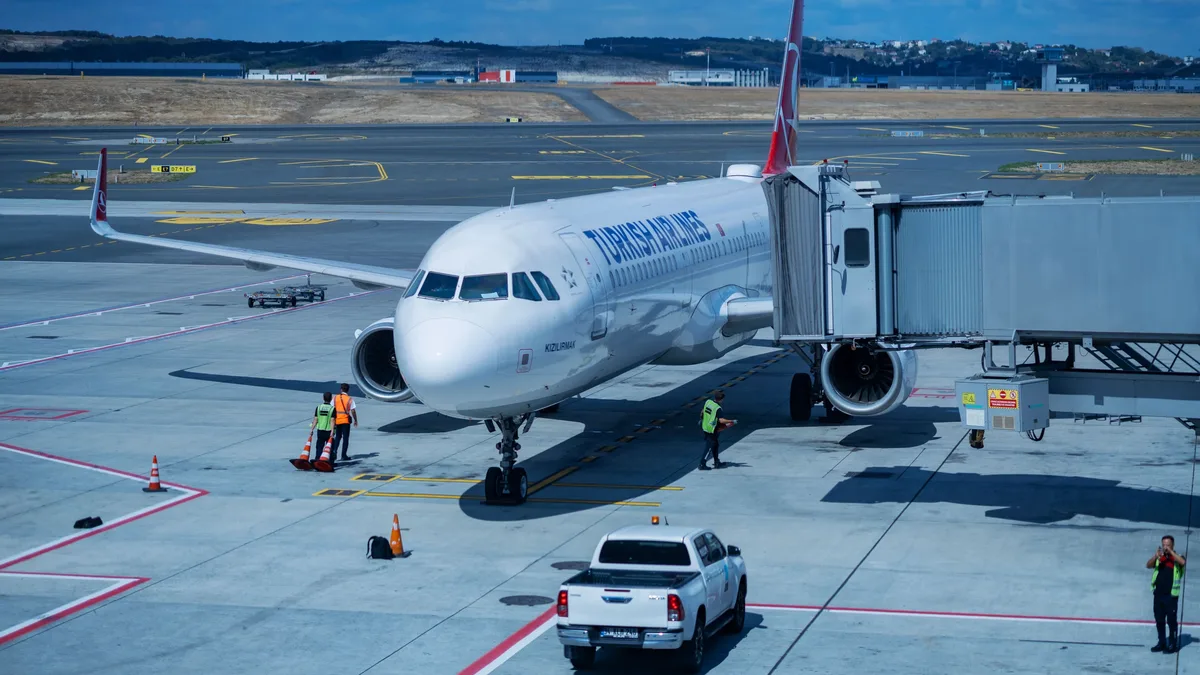
Intruder Breaches Lisbon Airport Perimeter
A man climbed the fence at Lisbon Airport and walked near an active runway on August 30, causing a security breach but no flight delays.