Corsia And International Offsetting
| Full name | Carbon Offsetting and Reduction Scheme for International Aviation |
|---|---|
| Governing body | International Civil Aviation Organization (ICAO) |
| Phase | Pilot phase (2021–2023), First phase (2024–2026), Second phase (2027–2035) |
| Sector coverage | International aviation (flights between countries) |
| Offset eligibility | Emissions units from ICAO-approved programs |
| Baseline | Average of 2019 and 2020 emissions |
| Original use | To stabilize net CO₂ emissions from international aviation at 2020 levels |
Origin and history
CORSIA, the Carbon Offsetting and Reduction Scheme for International Aviation, is a global market-based measure developed by the International Civil Aviation Organization (ICAO), a specialized agency of the United Nations. Its development was initiated in the 2010s as a response to the aviation sector's growing contribution to global greenhouse gas emissions and international pressure for climate action. The scheme was formally adopted by ICAO's 191 Member States in October 2016, following years of complex multilateral negotiations. The historical context includes the sector's exclusion from national emissions targets under agreements like the Kyoto Protocol, which created a need for a dedicated global framework. The first phase, the pilot phase, commenced in 2021, marking the start of active implementation. Its creation represents a compromise between environmental ambitions and the economic realities of a globally interconnected industry.
What it is for
CORSIA is designed to address the climate impact of carbon dioxide (CO2) emissions from international flights, which cross national boundaries and thus fall outside individual countries' domestic climate policies. Its primary purpose is to stabilize net CO2 emissions from international aviation at 2019 levels, a goal known as carbon-neutral growth. The scheme aims to achieve this not through direct emissions reductions from aircraft technology or operations, but by requiring airlines to offset any growth in their emissions above the 2019 baseline. It serves as a bridging mechanism to complement technological and operational improvements, which are expected to deliver the majority of long-term emissions reductions. Furthermore, CORSIA is intended to create a uniform global standard, preventing a patchwork of conflicting regional or national regulations that could distort competition. Ultimately, it functions as a tool for the aviation industry to contribute to international climate goals while continuing to facilitate global connectivity.
Overview
The scheme operates by requiring airlines on international routes between participating countries to monitor, report, and verify their annual CO2 emissions. Each year, a sector-wide growth factor is calculated by comparing total emissions from international aviation to the 2019 baseline. Individual airlines then determine their offsetting requirements based on their share of emissions growth above this baseline. To comply, airlines must purchase and cancel eligible emissions units, or "carbon credits," from approved offset programs that represent verified emissions reductions or removals achieved in other sectors of the global economy. CORSIA is implemented in phases: a voluntary pilot phase (2021-2023), a voluntary first phase (2024-2026), and a mandatory second phase (2027-2035) for most states, with exemptions for least developed countries, small island developing states, and landlocked developing countries. The scheme is administered by ICAO, which also establishes stringent eligibility criteria for the offset credits that can be used, aiming to ensure environmental integrity.
What to know
A critical detail is that CORSIA only applies to international flights, not domestic aviation, which remains under the jurisdiction of national governments. The 2019 baseline is a crucial and fixed reference point, meaning airlines are not offsetting their total emissions, only the increase above that specific year's level. The scheme's effectiveness is heavily dependent on the quality and integrity of the offset credits it accepts, a topic of ongoing technical review and debate within ICAO. Participation is not universal; while many major aviation markets are participating voluntarily in the early phases, the list of participating states can change, affecting which routes are covered. Compliance is the responsibility of the airline's administering state, which is the ICAO member state where the airline is certified, creating a state-based oversight system. It is also essential to understand that CORSIA is one element of a broader ICAO basket of measures, which also includes advancements in aircraft technology, improved operational procedures, and the development of sustainable aviation fuels.
Common questions
A frequent question is whether CORSIA actually reduces aviation emissions, to which the answer is that it aims to cap net emissions through offsetting, not directly reduce emissions from aircraft exhaust. Many ask what types of projects generate eligible offset credits, which can include renewable energy installations, methane capture from landfills, or reforestation initiatives, provided they meet ICAO's strict criteria. People often inquire if the cost of offsets will make flights more expensive, a dynamic determined by the market price of carbon credits and whether airlines choose to pass this cost to passengers. There is common confusion about why the baseline year is 2019, which was chosen as it represents the last "normal" year of operations before the COVID-19 pandemic drastically reduced air traffic. Another typical question concerns how compliance is enforced, which is through the national regulator of the airline's home country, which must ensure its airlines surrender sufficient credits. Individuals also commonly ask if they can purchase CORSIA-eligible offsets for their own travel, which is not possible as the scheme is a compliance mechanism for airlines, not a voluntary consumer product.
Pros and cons
A significant pro is that it establishes the first global sector-wide mechanism to manage CO2 emissions, creating a level playing field and avoiding a regulatory patchwork. It provides a clear, measurable framework for the industry to contribute to climate goals while continuing to support economic growth and global mobility. The scheme also stimulates investment in high-quality carbon reduction projects worldwide through demand for eligible offset credits. However, a major con is the reliance on offsetting, which critics argue allows the industry to buy its way out of making deeper, more transformative reductions in its own fossil fuel consumption. The environmental integrity of the scheme is entirely contingent on the quality of the offsets, which if poor, could render it ineffective or even counterproductive. Common mistakes include the public perception that CORSIA solves aviation's climate impact, when it only addresses a portion of CO2 emissions and does not address non-CO2 warming effects from contrails and nitrogen oxides. Many environmental advocates regret its choice, viewing it as a delay tactic that undermines more stringent policy measures like mandates for cleaner fuels or emissions taxes.
Who it suits
This system primarily suits the international aviation industry and its regulators, as it provides a unified, predictable global framework for managing carbon liability. It is suited to ICAO member states seeking a cooperative, multilateral approach to a transboundary environmental problem, preferring it over uncoordinated national taxes or regulations. The scheme suits airlines that desire regulatory certainty and a manageable compliance cost, allowing them to factor carbon costs into their long-term business planning. It also suits project developers in the global carbon market, as it creates a major new source of demand for verified emissions reduction credits. Conversely, it is less suited to environmental purists or those who believe in absolute emissions reductions within the sector itself, as it is fundamentally a carbon-neutral growth mechanism, not a reduction scheme. Finally, it suits travelers and economies that depend on air connectivity but are increasingly concerned about climate impacts, offering a structured, albeit imperfect, response to that concern.
Latest Corsia And International Offsetting news
Latest reporting
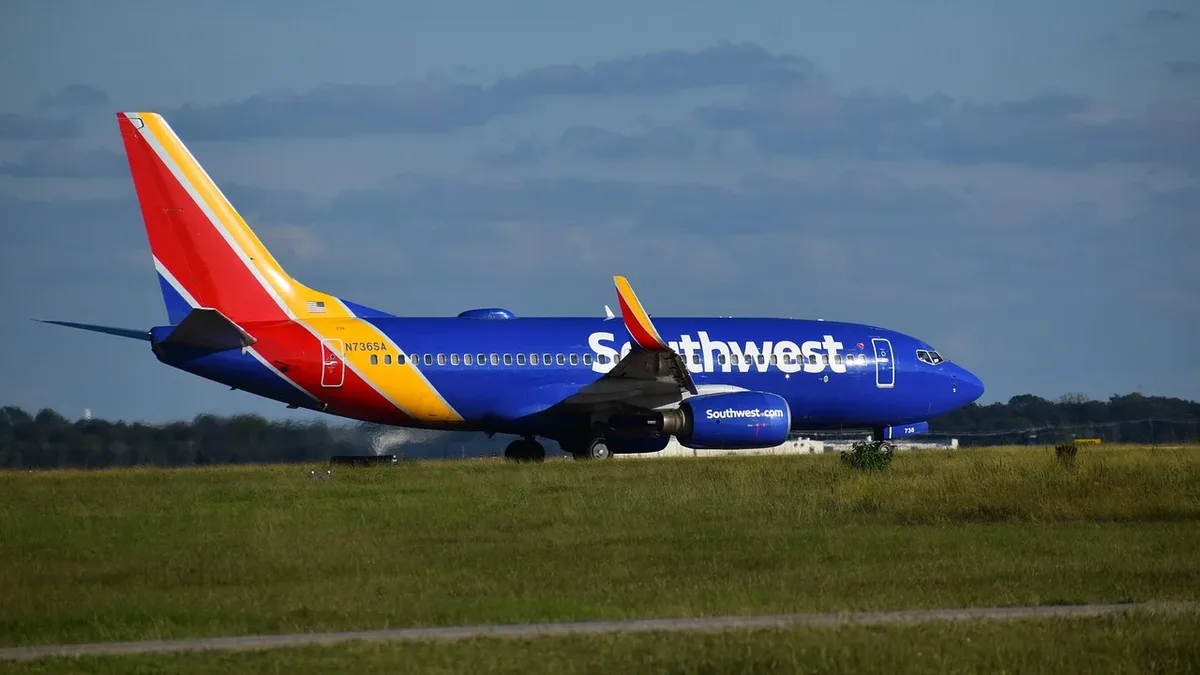
Southwest Airlines flight returns to Orlando
Southwest Airlines Flight 2821 made an emergency return to Orlando International Airport on September 29 after a bird strike shortly after departure.
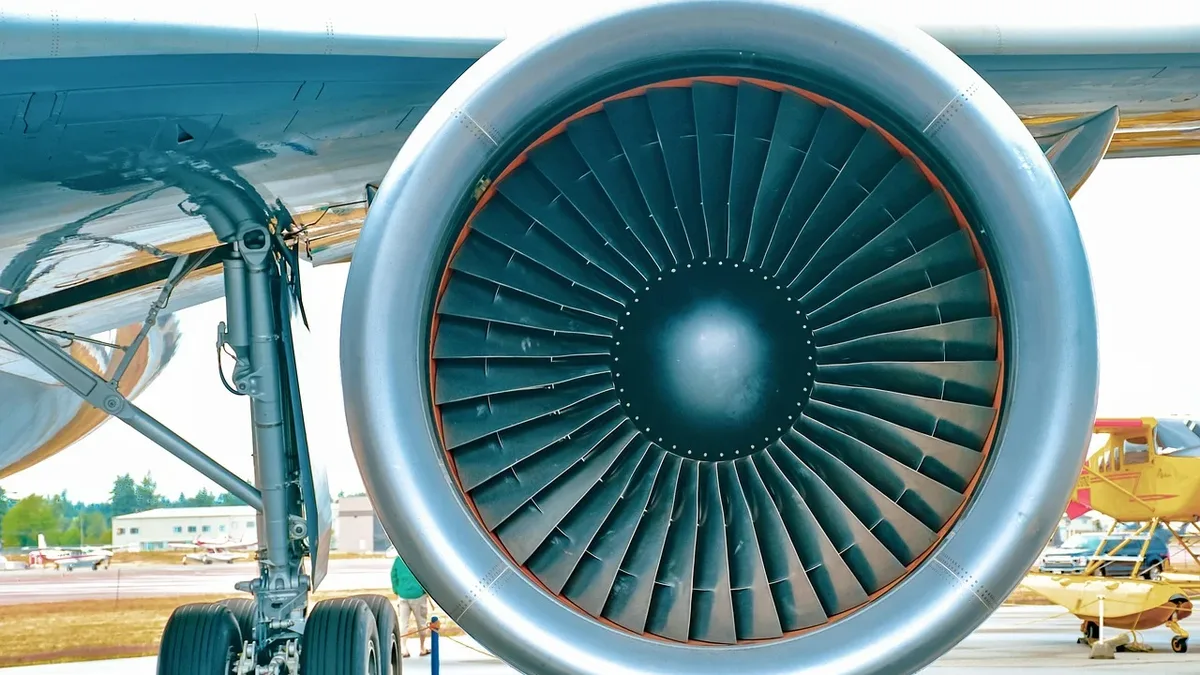
Airlines Face $11 Billion Cost From Unreliable New Engines
IATA reports that fuel-efficient engines from Pratt & Whitney and Rolls-Royce are causing high maintenance costs and aircraft groundings, offsetting
Houthi attack disrupts Riyadh airport
Flights at Riyadh's King Khalid International Airport were disrupted after a Houthi attack on a fuel depot. The incident highlights broader aviation...
Fiji Airways to launch Western Sydney flights in 2027
Fiji Airways will become the first international carrier to serve Western Sydney International Airport, starting a three-times-weekly service from...

Trans Air Cargo DC-8 freighter crashes in Kinshasa
A rare DC-8-73CF freighter overran the runway at Kinshasa's N'Djili International Airport on September 8, 2026, collapsing its nose gear.
NTSB Begins Investigation into Fatal Amazon Prime Air Crash
The NTSB has launched its investigation into the fatal runway overrun of an Amazon Prime Air Boeing 767 cargo jet at Miami International Airport...