Counter Drone Authority And Who Holds It
| Primary regulatory authority | Civil aviation authority of the state |
|---|---|
| First documented use | 2010s |
| Original use | To detect, identify, and mitigate unauthorized drone activity in protected airspace |
| Typical operating environment | Airport control zones, critical infrastructure, public events |
| Key enabling technologies | Radio frequency detection, radar, electro-optical/infrared sensors, net capture |
| Mitigation authority holder | Varies by jurisdiction (often national police, military, or designated aviation security) |
| Legal basis | National aviation security regulations and specific counter-drone legislation |
Origin and history
The legal and operational authority to counter unauthorized drones in controlled airspace is a modern development, emerging in the early 21st century as consumer drone technology proliferated. Its origins are not tied to a single country but evolved from a patchwork of national aviation and security regulations responding to incidents. The foundational need for a defined counter-drone authority became widely recognized following high-profile disruptions at major airports in the 2010s, such as the Gatwick Airport incident in the United Kingdom in 2018. International bodies like the International Civil Aviation Organization (ICAO) began formulating guidance, but sovereign states retain primary legal authority. The concept solidified in the late 2010s and early 2020s as nations began enacting specific legislation to designate responsible agencies. This history is one of reactive policy development, driven by technological advancement rather than a pre-planned system.
What it is for
Counter-drone authority exists to protect the safety, security, and efficiency of the national airspace system from unauthorized or malicious unmanned aircraft systems (UAS). Its primary purpose is to prevent collisions between drones and manned aircraft, which could cause catastrophic loss of life. It also serves to secure critical infrastructure, such as airports, air traffic control facilities, and military installations, from surveillance or attack. The authority enables the mitigation of disruptions to airport operations, which have significant economic and travel impacts. Furthermore, it safeguards public events and emergency response operations from intrusive or hazardous drone activity. Ultimately, it is a necessary layer of command and control to uphold the integrity of regulated aviation amidst unregulated aerial activity.
Overview
Counter-drone authority refers to the legally-mandated power to detect, identify, track, and mitigate unauthorized drone operations in designated airspace. This authority is typically fragmented, involving multiple agencies with different, sometimes overlapping, jurisdictions. In most nations, the national aviation authority holds primary responsibility for regulating airspace and enforcing aviation laws, often delegating detection and monitoring to air navigation service providers. National security or defense agencies frequently hold parallel authority, especially around sensitive sites or during specific threats. Law enforcement at various levels may also possess powers to intervene in drone incidents as they breach public order or safety laws. The system is a complex matrix of technology, procedures, and legal permissions designed to provide a coordinated response to drone threats.
What to know
A key point is that no single entity holds universal counter-drone authority; it is a distributed function requiring coordination between aviation, security, and law enforcement bodies. The rules governing which agency can use which mitigation technology, such as radio frequency jamming or kinetic interception, are highly restrictive and vary by country. Authorization to deploy hard-kill measures often resides at the highest levels of national defense. Drone detection technology itself is not synonymous with authority; detecting a threat triggers a separate chain of command for response decisions. Pilots and air traffic controllers have no inherent counter-drone authority; they are part of the reporting chain, relaying sightings to the designated agencies. Understanding the specific national and local frameworks is essential, as the responsible entity changes based on location and the nature of the threat.
Common questions
A frequent question is who a civilian should call if they see a drone near an airport; the answer is almost always local law enforcement, who then activate established protocols with aviation authorities. People often ask why drones cannot simply be shot down, not realizing the risk of falling debris and the potential for disrupting critical communications like GPS and cellular networks. Another common query is whether airports have their own counter-drone systems; while many are investing in detection, the legal authority to actively mitigate usually lies with external government agencies. Individuals wonder about the legality of using personal drone-jamming devices, which are almost universally illegal for civilians due to spectrum laws. Questions also arise about how authorities distinguish a malicious drone from a recreational one, a process reliant on observed behavior, location, and failure to comply with communications. Many ask about the effectiveness of geo-fencing, a software-based boundary, which is a preventative measure but is not considered a reliable counter-authority tool as it can be bypassed.
Pros and cons
A significant advantage of a defined counter-drone authority is the creation of a clear chain of command during a crisis, theoretically speeding up response times and ensuring actions are legally justified. It provides a framework for investing in and deploying specialized detection and mitigation technology that would be impractical for individual airports or local police. However, a major con is the inherent complexity and potential for confusion or delay when multiple agencies with different priorities and protocols must coordinate under pressure. The system can be slow to adapt to rapidly evolving drone technology, leaving gaps in capability. A common mistake is assuming the system is omnipresent and fail-safe, leading to complacency in other protective measures. Those who regret the current structure are often airport operators and air traffic controllers, who bear the operational and economic consequences of disruptions but frequently lack the direct authority to end them, leading to frustration.
Who it suits
This system of distributed authority suits nations with established, robust aviation and national security infrastructures capable of supporting inter-agency coordination. It is necessary for large, busy airports and high-density airspace regions where the risk and impact of drone incursions are greatest. The framework suits governments that prioritize strict oversight of military-grade countermeasures, ensuring they are not used indiscriminately. It is less suited to regions with poorly defined jurisdictional boundaries or under-resourced agencies, where coordination may break down. The current model primarily suits the needs of system protection rather than individual actors; it is not designed for quick, autonomous action by a single entity. Ultimately, it is a system for managing high-consequence, low-probability events within a rule-of-law framework, not for providing instantaneous, ubiquitous protection.
Latest Counter Drone Authority And Who Holds It news
Latest reporting
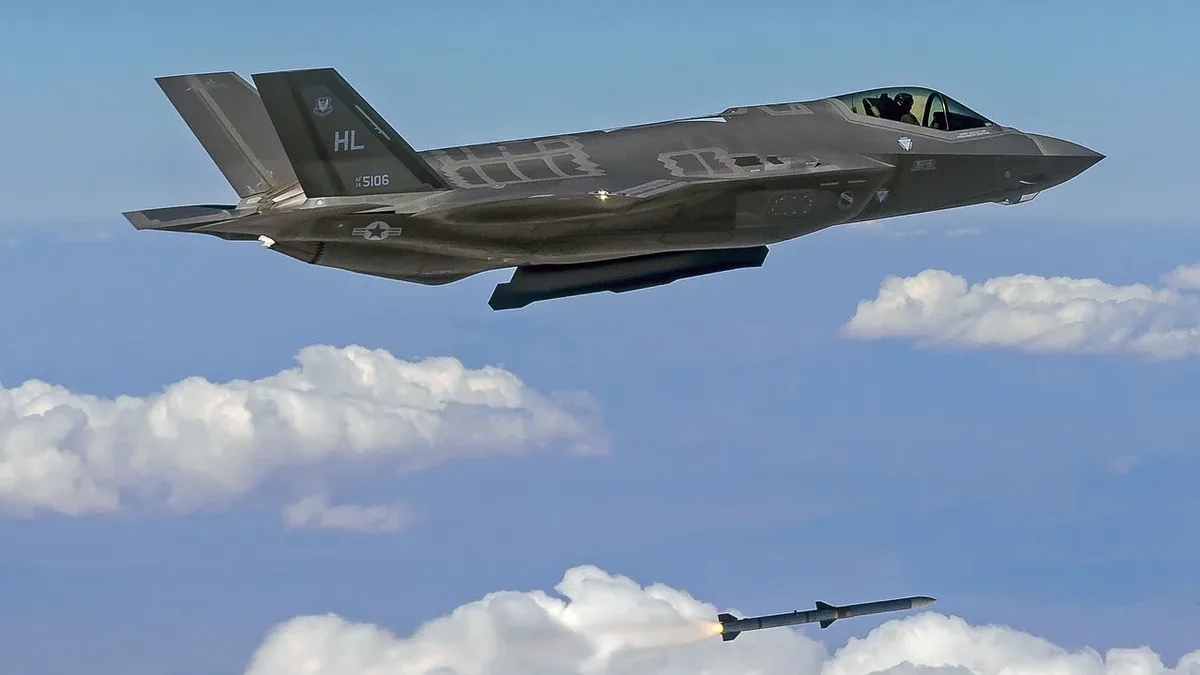
UK's F-35 Fleet Faces Cuts, Shifts to Drone-Carrier Strategy
The UK's plan for 138 F-35 jets is widely seen as dead, with a revised target of 75 by 2033. High costs and US reliability concerns are driving a...
Aviation Coalition Urges FAA to Preempt State Crew Rest
A coalition of major aviation groups is calling on the FAA to assert federal authority over pilot duty and rest rules, arguing a national standard is
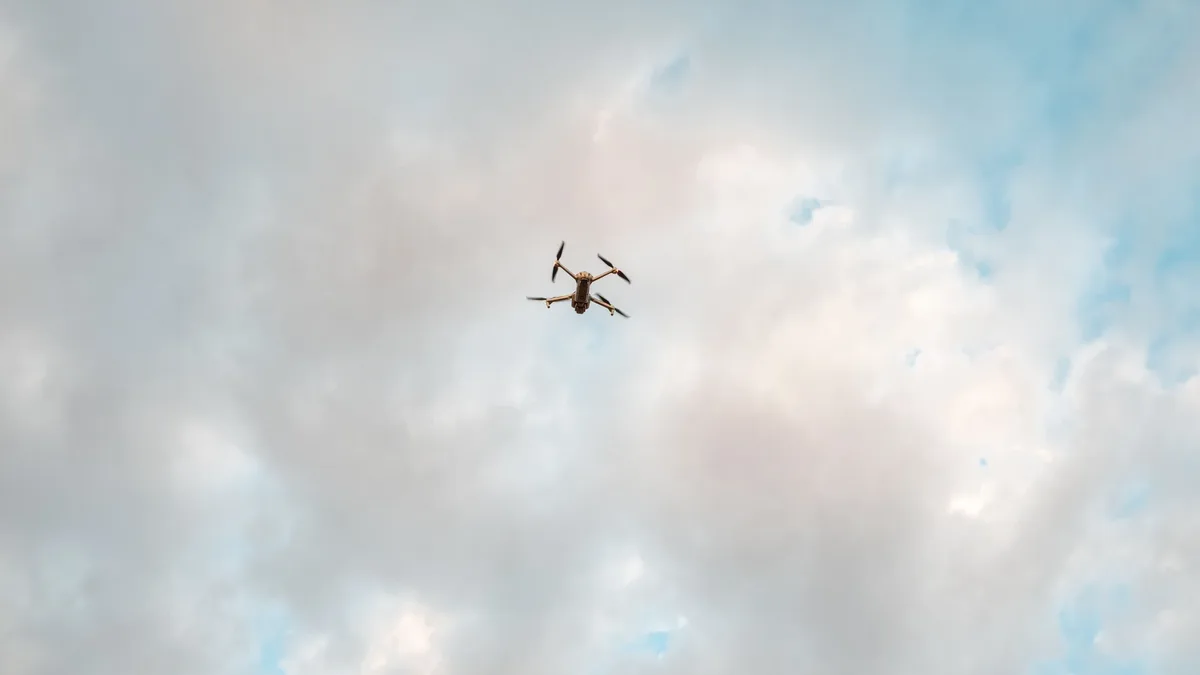
Drone and Balloon Ground 400+ San Diego Flights
A drone and a stratospheric test balloon disrupted operations at San Diego International Airport, causing a ground stop and delaying over 400 flights.

Airlink cancels third rugby flypast amid SACAA review
Airlink has withdrawn its application for a third formation flypast over a rugby Test after the South African Civil Aviation Authority began analyzing
Ryanair cuts growth target on fuel crisis
Ryanair warns some European airlines may not survive the winter due to high fuel prices, as it reduces its own passenger forecast and holds capacity...
Rheinmetall LUNA NG drone approved
Germany's military aviation authority has granted provisional airworthiness certification to the Rheinmetall LUNA NG unmanned reconnaissance system