Ryanair cuts growth target on fuel crisis
Ryanair warns some European airlines may not survive the winter due to high fuel prices, as it reduces its own passenger forecast and holds capacity flat
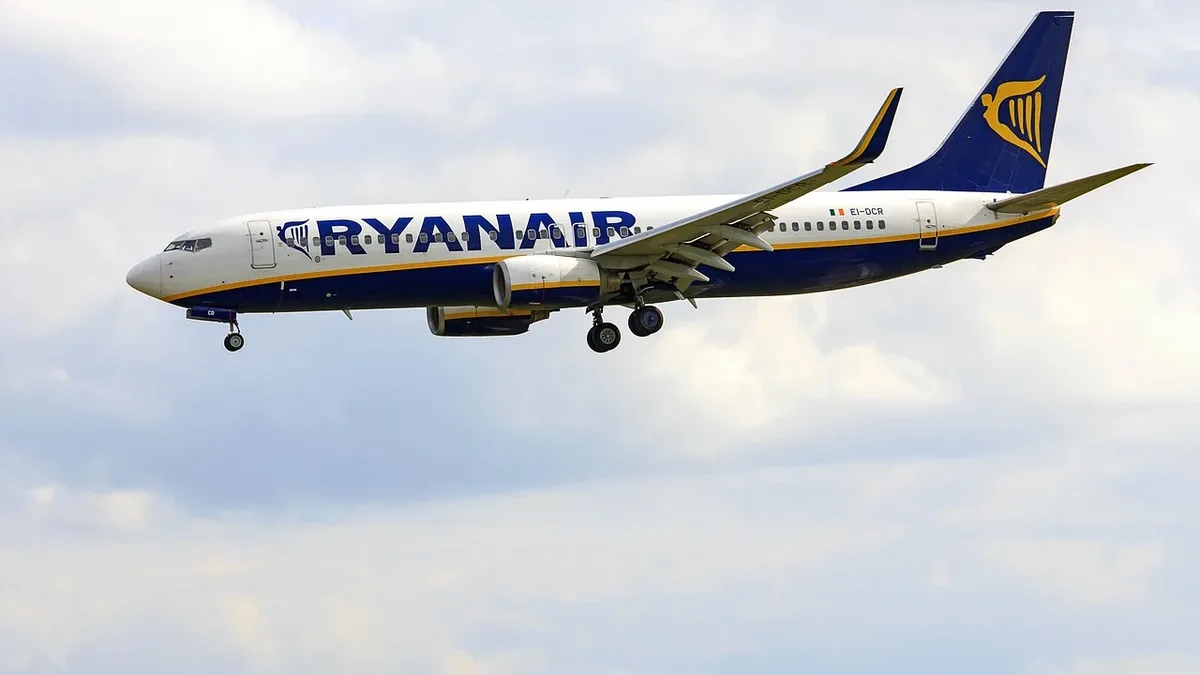
Ryanair has cut its passenger growth target. It warned that some European airlines may not survive the coming winter. The Irish low-cost carrier issued the stark warning on September 2, 2026. This came as jet fuel prices soar to around $140 per barrel.
Ryanair now expects to carry 214 million passengers in its 2027 fiscal year. That is down from a previous forecast of 216 million. The airline said the reduction is intended to limit its exposure to fuel costs during the typically loss-making winter season. It estimates this move will reduce its winter losses by between €70 million and €100 million.
Fuel Hedging Creates Divide
The sharp warning highlights a growing divide between airlines. It is based on their fuel hedging strategies. Ryanair has protected about 80% of its fuel needs through March 2027. This protection is at a price of roughly $67 per barrel. Only one-fifth of its requirements are exposed to the current market price. The airline says this market price is more than double its hedged rate.
This protection forms the basis of its competitive warning. Ryanair stated that less well-hedged competitors could, in its words, “struggle to maintain capacity or even survive this coming winter season” if high oil prices persist. The airline sees its locked-in fuel price as a major advantage. It is an advantage over carriers that entered the crisis with more exposure.
Industry Under Pressure
The fuel price spike has followed the Iran war. Related disruption to global energy markets is also a factor. For airlines, fuel is already one of the largest operating expenses. The impact varies significantly between carriers. It depends on how much fuel they hedged, the prices they locked in, and when those contracts expire.
The timing is particularly difficult for European airlines. The period from November through March is generally the weakest part of the year. Airlines typically bank profits during the busy summer travel season. They accept weaker results or losses during the winter months.
Even with its hedges, Ryanair is feeling the impact. The carrier is deliberately holding winter capacity roughly flat. This reduces the amount of fuel it must buy at current prices. This decision does not reflect weakening passenger demand. Ryanair carried 22.2 million passengers in August. That is a 6% increase from a year earlier. Summer traffic from April to October is still expected to grow by more than 5%.
Outlook for Profits and Fares
Ryanair still expects to remain profitable for the full 2027 fiscal year. However, it has said earnings will likely fall below the record level achieved the previous year. The carrier has not issued detailed profit-after-tax guidance.
The airline also warned that passengers could eventually feel the impact. This would happen if high oil prices are sustained. If prices remain high into the summer of 2027, Ryanair expects short-haul fares across Europe to rise. Carriers would try to offset their higher fuel costs.