Part 135 And Part 91 Safety Compared
| Regulatory framework | Part 135 (commercial/charter) and Part 91 (general/private) |
|---|---|
| Applicable aircraft | Varies by operational rules and certification |
| Primary operational distinction | Compensation or hire (Part 135) vs. no compensation or hire (Part 91) |
| Pilot qualification requirements | Higher minimums for Part 135 |
| Maintenance program requirements | More stringent and scheduled for Part 135 |
| Operational control | Assigned to operator (Part 135) vs. pilot-in-command (Part 91) |
| Weather minimums | Generally higher for Part 91 operations |
| Safety oversight | Direct FAA surveillance of operators (Part 135) vs. periodic inspection (Part 91) |
Origin and history
The regulatory distinction between Part 91 and Part 135 operations originates from the United States Federal Aviation Regulations (FARs), established by the Federal Aviation Administration (FAA). The framework was developed in the latter half of the 20th century, with the foundational rules being codified in the 1960s and 1970s as aviation activity expanded beyond private use. This bifurcation arose from a recognized need to impose stricter safety requirements on aircraft operations that were conducted for compensation or hire, as opposed to purely private, non-commercial flying. The evolution of these rules has been a continuous process, responding to accidents, technological advancements, and the growth of the on-demand air charter and air taxi industries. The comparison of safety between these two sets of rules is not a formal system but an analytical framework used by safety professionals, insurers, and operators. This analytical practice solidified in the aviation community over recent decades as data collection and safety management systems became more sophisticated.
What it is for
The comparison of Part 91 and Part 135 safety serves to inform risk assessments and operational decisions within the aviation ecosystem. Its primary function is to provide a structured understanding of the different regulatory obligations and their consequent impact on operational safety outcomes. For potential customers of air services, it offers a factual basis for evaluating the safety posture of a private flight versus a charter flight. For pilots and operators, it clarifies the legal and procedural boundaries that define their permitted activities and required safety protocols. For aviation insurers, this comparison is a critical component in underwriting policies and determining premium rates based on the associated risk profiles. Ultimately, this framework exists to support safer skies by highlighting how regulatory oversight scales with the complexity and public-facing nature of an aircraft operation.
Overview
Part 91 of the Federal Aviation Regulations outlines the fundamental rules governing the operation of all civil aircraft within the United States, primarily covering private, non-commercial flights. In contrast, Part 135 contains the additional, more stringent rules for aircraft operations conducted for compensation or hire, such as on-demand air charter and air taxi services. The core safety comparison hinges on the increased levels of required oversight, prescribed procedures, and crew qualifications mandated under Part 135. Key differentiators include stricter pilot training and testing requirements, mandatory drug and alcohol testing programs, formal aircraft maintenance protocols, and operational control exercised through a certified carrier. Part 135 operators must also comply with more rigorous weather minimums, crew duty time limitations, and often implement a formal Safety Management System (SMS). While Part 91 provides the baseline for all flight, the added layers of Part 135 create a more controlled and audited operational environment designed for commercial carriage.
What to know
A fundamental point is that a flight conducted under Part 91 rules can be identical in aircraft type and route to a Part 135 flight, but the regulatory framework governing it is profoundly different. The pilot in command under Part 91 has broad operational authority and discretion, whereas a Part 135 pilot operates under the specific procedures and authority of a certified air carrier. Maintenance under Part 91 follows a prescribed schedule but can be performed by the owner or a mechanic, while Part 135 requires maintenance to be managed under a continuous program overseen by the carrier and subject to more frequent FAA surveillance. Crucially, the financial responsibility for safety investments, such as advanced training, redundant systems, or additional crew, falls directly on the Part 91 operator, creating a variable standard, whereas Part 135 mandates these investments. Insurance underwriters meticulously analyze these differences, typically resulting in significantly higher liability coverage requirements and different policy structures for Part 135 operators. Understanding this comparison requires looking beyond accident rates alone to the systemic controls designed to prevent accidents from occurring in the first place.
Common questions
A common question is whether flying under Part 135 is inherently safer than flying under Part 91, which oversimplifies a complex issue; the enhanced regulatory structure of Part 135 is designed to mitigate specific risks associated with commercial, on-demand operations. Many ask if a professionally flown private jet under Part 91 is equivalent to a charter flight, to which the answer is that the aircraft and crew may be similar, but the lack of an air carrier's operational control and audit trail is a key distinction. People often question why a wealthy individual with a professionally managed private flight department would choose Part 91, which typically relates to operational flexibility, direct control over crew and scheduling, and the ability to exceed Part 135 standards voluntarily. Another frequent inquiry concerns the cost difference, which is directly attributable to the substantial infrastructure, staffing, and compliance costs a Part 135 operator must bear to maintain its certificate. Individuals also ask about the safety implications of "dry leasing" an aircraft with crew, a practice which must be carefully structured to avoid violating the fundamental division between non-commercial and commercial flight rules. Finally, many wonder how safety statistics compare, though direct comparison is challenging due to different exposure rates, trip purposes, and reporting requirements between the two operational categories.
Pros and cons
The primary pro of the Part 135 framework is its systematized, audited approach to safety, which mandates specific training, maintenance, and operational procedures, reducing reliance on individual discretion. A con is the significant operational and financial burden of compliance, which can stifle small operators and is ultimately passed on to the consumer as higher costs. For Part 91, the major pro is operational flexibility and direct owner control, allowing for highly customized safety programs that can, in well-resourced flight departments, far exceed Part 135 minimums. The central con of Part 91 is the variability in safety standards; the gap between a minimally compliant private owner and a corporate flight department is vast, creating a "wild west" spectrum of risk. A common mistake is assuming a high-quality aircraft under Part 91 guarantees an equivalent level of systemic safety oversight to a Part 135 operator, overlooking the critical role of mandated procedures and third-party auditing. Individuals often regret choosing a poorly vetted Part 91 arrangement for critical business travel when a Part 135 charter would have provided more predictable safety assurances and financial protections in the event of an incident.
Who it suits
The Part 135 operational model suits passengers and businesses seeking air transportation for compensation who prioritize a verified, standardized level of safety oversight and liability protection. It is suited for operators who can sustain the high fixed costs of certification and who conduct frequent, on-demand flights for diverse clients. The Part 91 framework suits private aircraft owners and flight departments that value maximum control over their operations, schedules, and crew, and who have the expertise and resources to design and implement a robust internal safety culture beyond the regulations. It suits individuals or companies whose flight patterns are regular and predictable, allowing for dedicated, long-term investment in personnel and procedures. This model also suits owner-pilots for whom the journey of personal aviation is a key component of ownership, accepting the associated responsibilities and risks. The choice fundamentally depends on whether the user's primary need is for a transportation service with regulated safety assurances or for a privately controlled asset with self-directed safety accountability.
Latest Part 135 And Part 91 Safety Compared news
Latest reporting
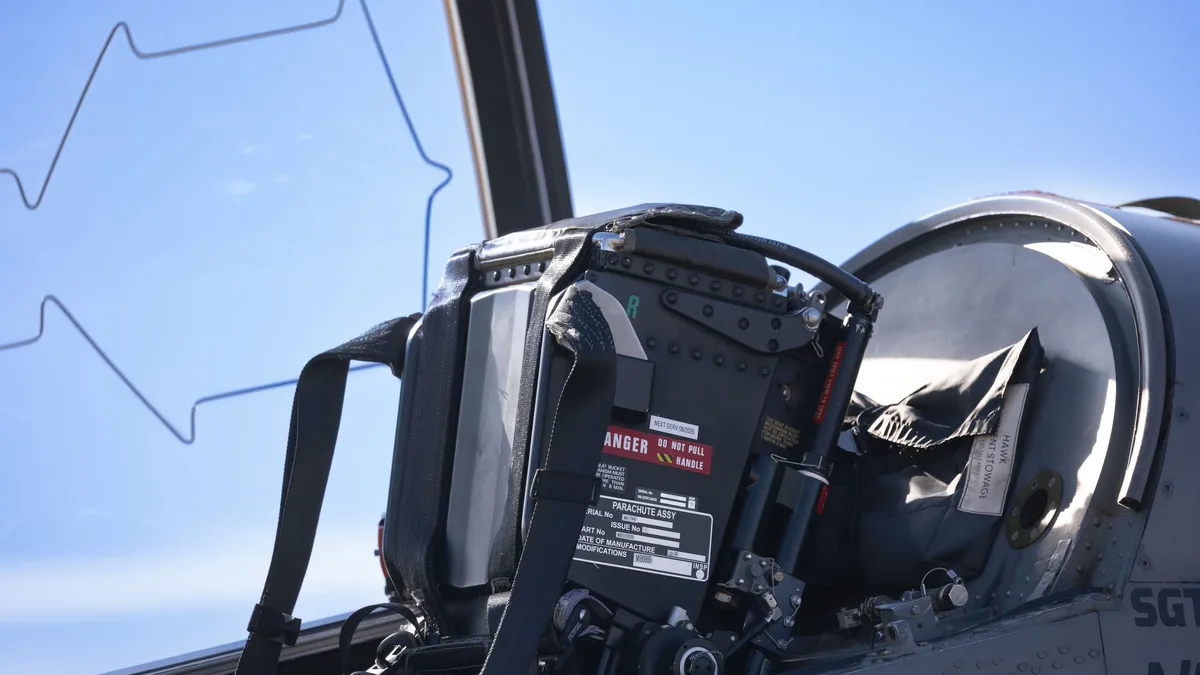
FAA Proposes Relaxing Oxygen Mask Rules for Pilots
The FAA has proposed easing oxygen mask requirements for pilots operating pressurized aircraft under Parts 91 and 135, citing modern safety systems...
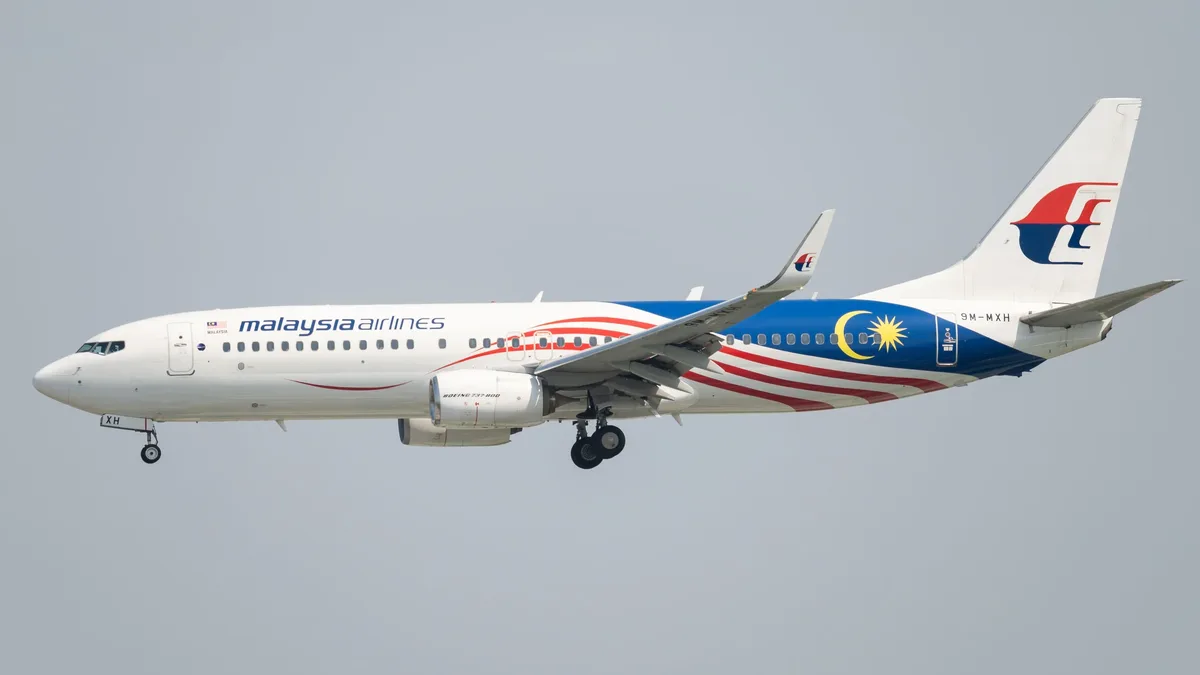
FAA Reviews Boeing 737 MAX Software Issue After Airlines
The FAA is reviewing a flight management computer software glitch on some Boeing 737 MAX jets, convening a safety board.
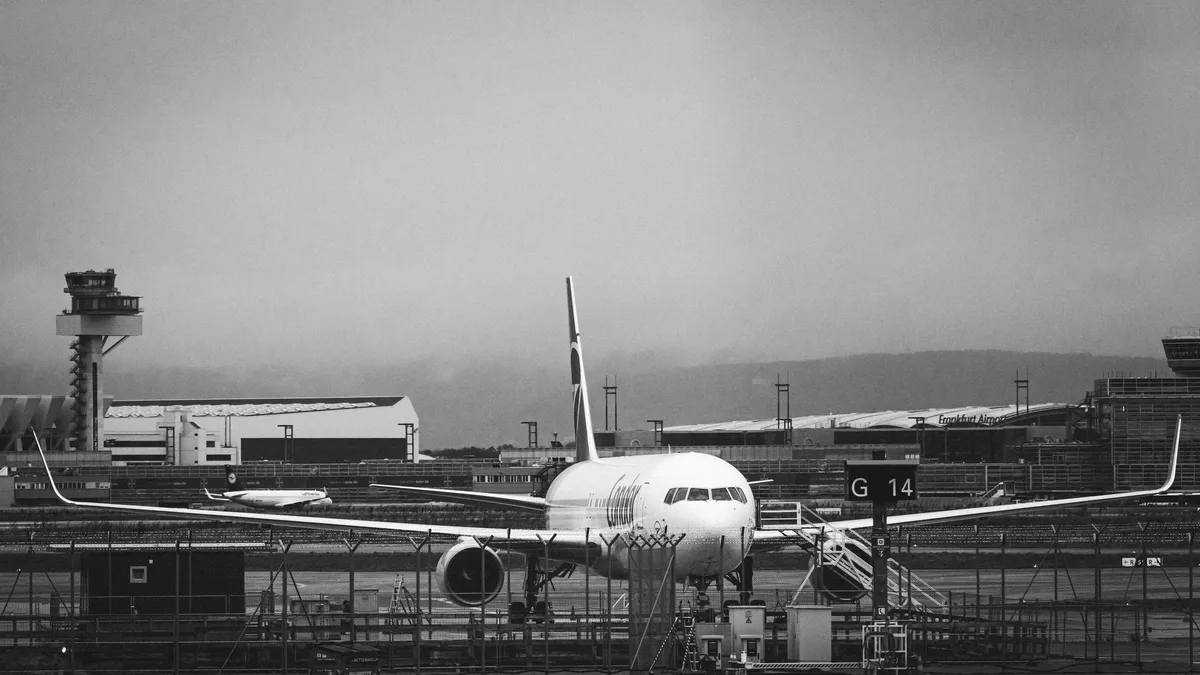
Garmin Autoland Approved for Pilatus PC-12 PRO
The FAA and EASA have certified Garmin's Safety Autoland system for the Pilatus PC-12 PRO turboprop, expanding the automated emergency landing...
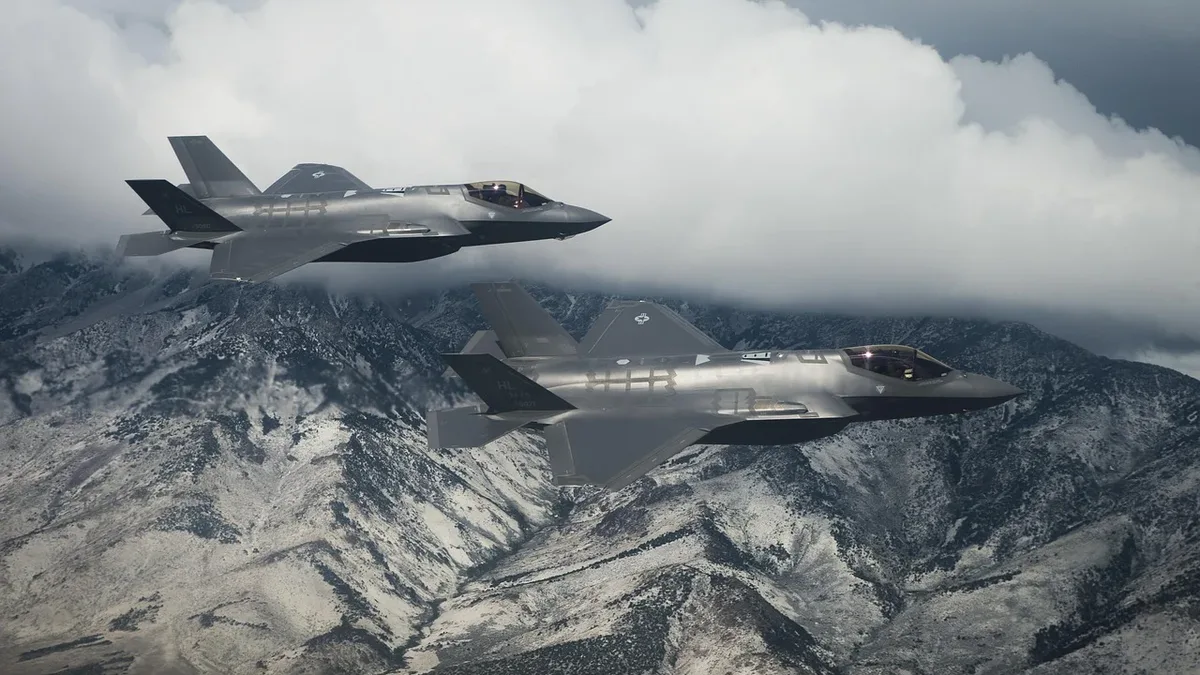
Danish F-35s Conduct First Greenland Landing in NATO Drill
Two Danish F-35A fighters landed in Greenland for the first time on September 16, 2026, as part of a major multinational NATO Arctic training exercise
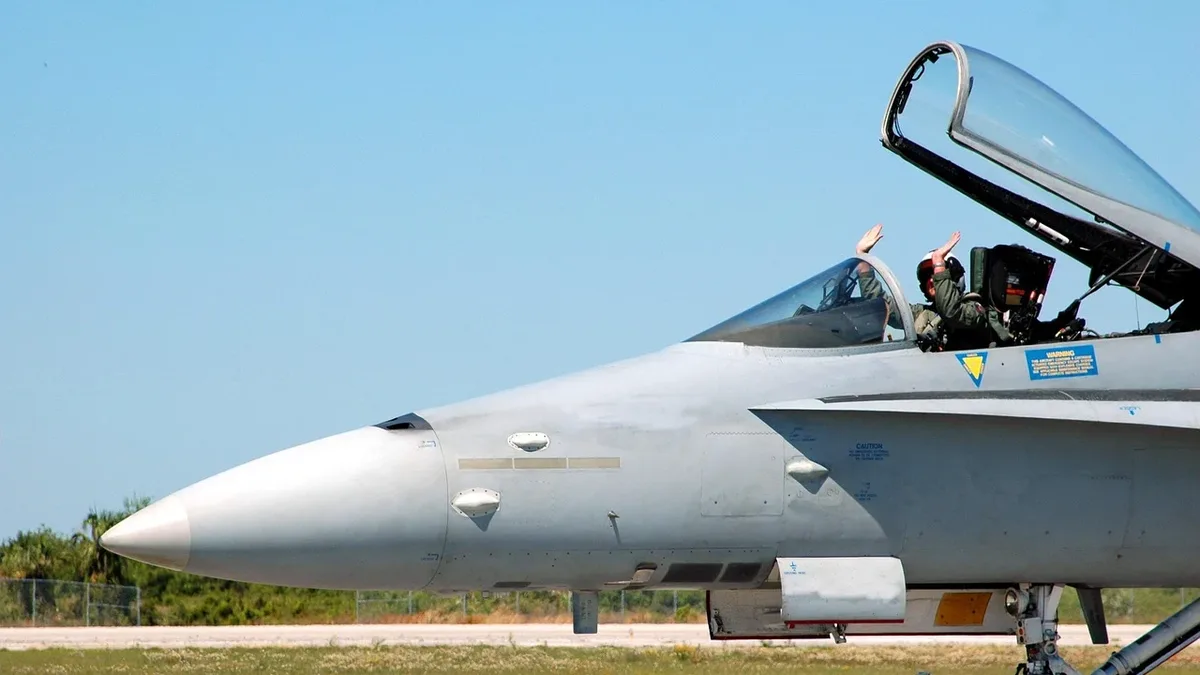
F-22 Pilot Awarded Top Safety Honor for Belly Landing
A US Air Force F-22 pilot received the service's highest flight safety award for successfully belly-landing a $156 million stealth fighter after a...
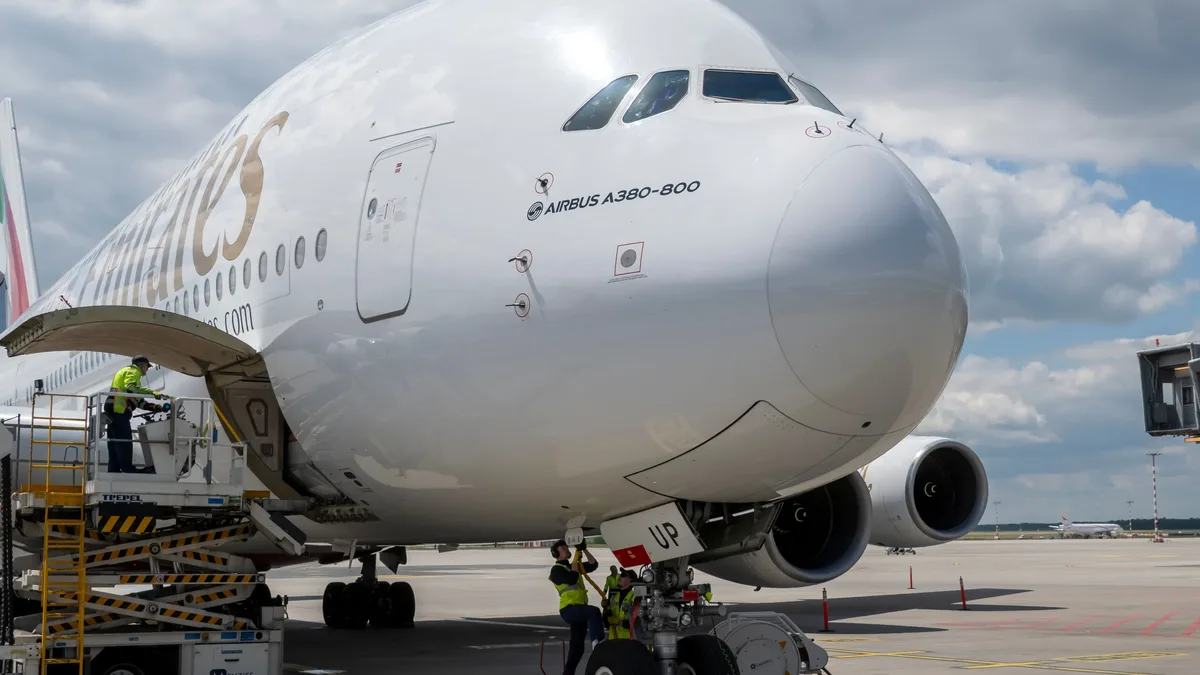
Boeing 747-8 Crew Rest Areas Detailed
The Boeing 747-8 features dedicated rest compartments for pilots and cabin crew, with design and comfort compared to the Airbus A380.