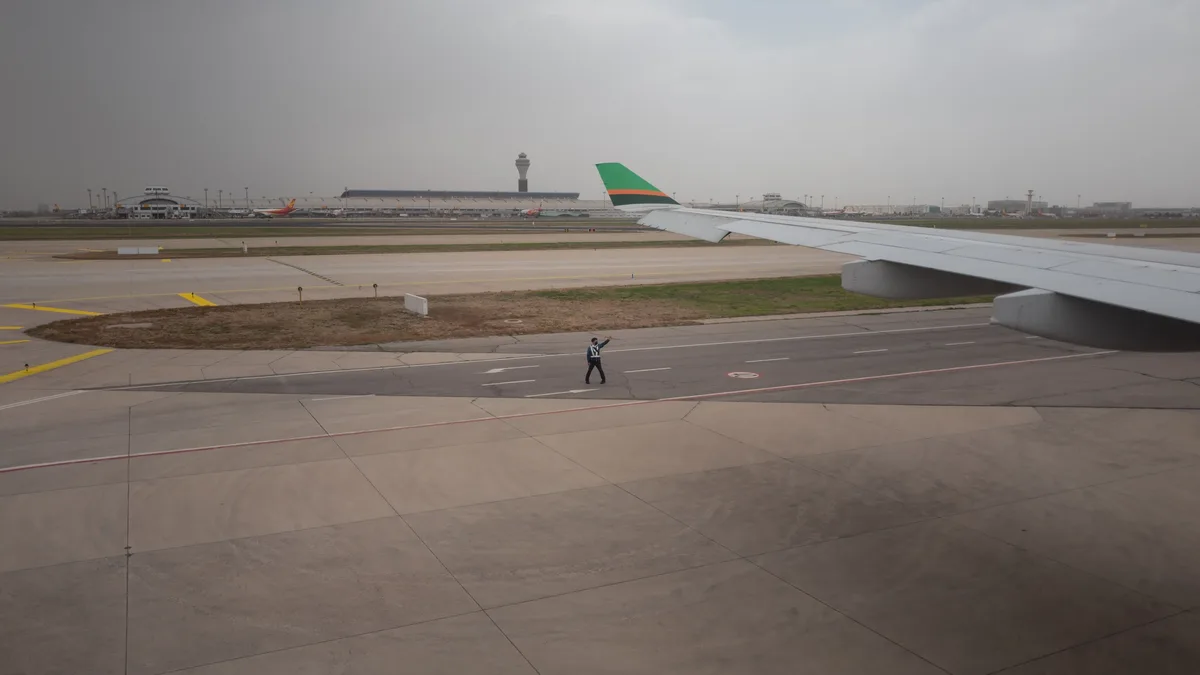
Runway Incursions
| Definition | An unauthorized presence on a protected airport surface designated for aircraft landing and takeoff. |
|---|---|
| Primary cause | Pilot/controller communication errors or deviations. |
| Severity classification | Categories A (most severe) through D (least severe). |
| Primary prevention system | Airport Surface Detection Equipment, Model X (ASDE-X) and similar. |
| Regulatory oversight | Federal Aviation Administration (FAA) in the United States. |
| Reporting requirement | Mandatory for certain categories under aviation safety programs. |
| Common mitigation | Enhanced taxiway centerline markings and hold-short signage. |
Origin and history
The concept of a runway incursion as a formal safety category originated in the United States in the late 20th century, driven by increasing air traffic density at major airports. The term itself was defined and standardized by the International Civil Aviation Organization (ICAO) to create a common global framework for reporting and analysis. Prior to this formalization, collisions and near-collisions on airport surfaces were documented but not systematically categorized under a single term. The heightened focus followed several high-profile ground collision accidents in the 1970s and 1980s, which underscored the need for specific taxonomy and prevention strategies. The U.S. Federal Aviation Administration (FAA) became a primary driver in developing prevention programs, establishing its Office of Runway Safety in the 1990s. This historical development reflects the aviation industry's shift from primarily addressing airborne risks to comprehensively managing surface movement hazards.
What it is for
Runway incursion prevention systems exist to prevent any unauthorized or unintended presence of an aircraft, vehicle, or person on a protected runway surface designated for landing or takeoff. Their core purpose is to eliminate the risk of collision between aircraft, or between aircraft and ground obstacles, during the most critical phases of flight. These systems are designed to manage the complex interface between ground control and air control, ensuring clear communication and procedural separation. They serve to enforce the sterile area of an active runway, protecting it from conflicting traffic that has not received explicit clearance. The ultimate goal is to maintain the integrity of runway operations, which is fundamental to overall airport capacity and safety. These systems are integral to achieving the "zero accidents" target pursued by global aviation safety organizations.
Overview
A runway incursion is an event at an aerodrome involving the incorrect presence of an aircraft, vehicle, or person on the protected area of a surface designated for the landing and takeoff of aircraft. Incursions are classified by severity, typically into categories such as Category A (most severe, with a significant potential for collision) through Category D (little or no chance of collision but a breach of separation standards). Prevention relies on a multi-layered system combining infrastructure, technology, procedures, and human performance. Key components include clear airport signage and markings, standardized air traffic control phraseology, ground surveillance radar, and runway status lights. Pilot and controller training on surface navigation and situational awareness is a critical element of the overall system. Investigations of incursions focus on systemic factors, including procedure design, airport geometry, and human factors, rather than solely attributing blame to individuals.
What to know
Runway incursions are distinct from other ground incidents, such as taxiway deviations or ramp area events, by their specific location on an active runway. The most common contributing factors include communication misunderstandings between pilots and controllers, pilot error in complex taxi instructions, and controller workload or error. Airports with intersecting runways or complex taxiway layouts present a higher geometric risk for potential incursions. Pilots must always have a current airport diagram available and read back all runway crossing and hold short instructions verbatim. Vehicle drivers operating on the airfield require specific training and clearances to enter any movement area. Understanding that incursion prevention is a shared responsibility between ATC, flight crews, and ground vehicle operators is fundamental to maintaining surface safety.
Common questions
A common question is whether all runway incursions are near-miss collisions; most are procedural breaches with low immediate risk, but all indicate a breakdown in the safety system. People often ask who is typically at fault, but official investigations usually find multiple contributing factors across people, procedures, and technology rather than a single blameworthy party. Many inquire if incursions are becoming more frequent; statistically, the rate has generally decreased over decades despite massive growth in traffic, due to improved systems and training. A frequent question concerns the role of technology, such as ASDE-X or ADS-B, which provide controllers and pilots with enhanced surface situational awareness displays. Individuals often wonder what a pilot should do if uncertain about their position on the airport; the correct action is to stop immediately, contact ATC for clarification, and if on a runway, announce the hold. Another common query is about reporting, as many wonder if minor incursions are reported; a robust safety culture mandates reporting all events to enable systemic learning without punitive consequences for reporters.
Pros and cons
The primary pro of a mature runway incursion prevention system is its demonstrable success in drastically reducing ground collision accidents despite exponential traffic growth. It provides a structured, global framework for analyzing events, sharing safety data, and implementing technological solutions like runway status lights. A significant con is the system's heavy reliance on human performance and perfect communication in a high-tempo, high-stakes environment, making it vulnerable to simple errors. Another drawback is the high cost and slow implementation pace of advanced technological infrastructure, such as comprehensive ground surveillance radar, at all airports. A common mistake is over-reliance on technology by pilots or controllers, leading to a degradation of fundamental skills like situational awareness and visual scanning. Some airport operators regret the complexity and expense of redesigning older airport layouts with confusing taxiways, which is often the most effective but least feasible long-term solution.
Who it suits
This systematic approach to runway incursion prevention is essential for all commercial aviation operations, from major international hubs to regional airports with scheduled service. It is particularly suited to and required by national aviation authorities and air navigation service providers responsible for regulatory oversight and ATC services. Airport operators and planners must integrate these principles into airport design, signage, and daily operations management. Flight training organizations and pilot certification bodies must incorporate incursion awareness and prevention into standard curricula and testing. Ground handling companies and their vehicle drivers are critical stakeholders who must operate within this system. Ultimately, it suits any entity involved in the movement of aircraft or vehicles on an aerodrome surface, as there is no context where the risks of a runway incursion are acceptable.
Latest Runway Incursions news
Latest reporting

Vietnam Airlines 787 Overruns Munich Runway in August 2026
A Vietnam Airlines Boeing 787-9 overran the runway during takeoff from Munich on August 15, 2026, striking approach lights and damaging its landing...
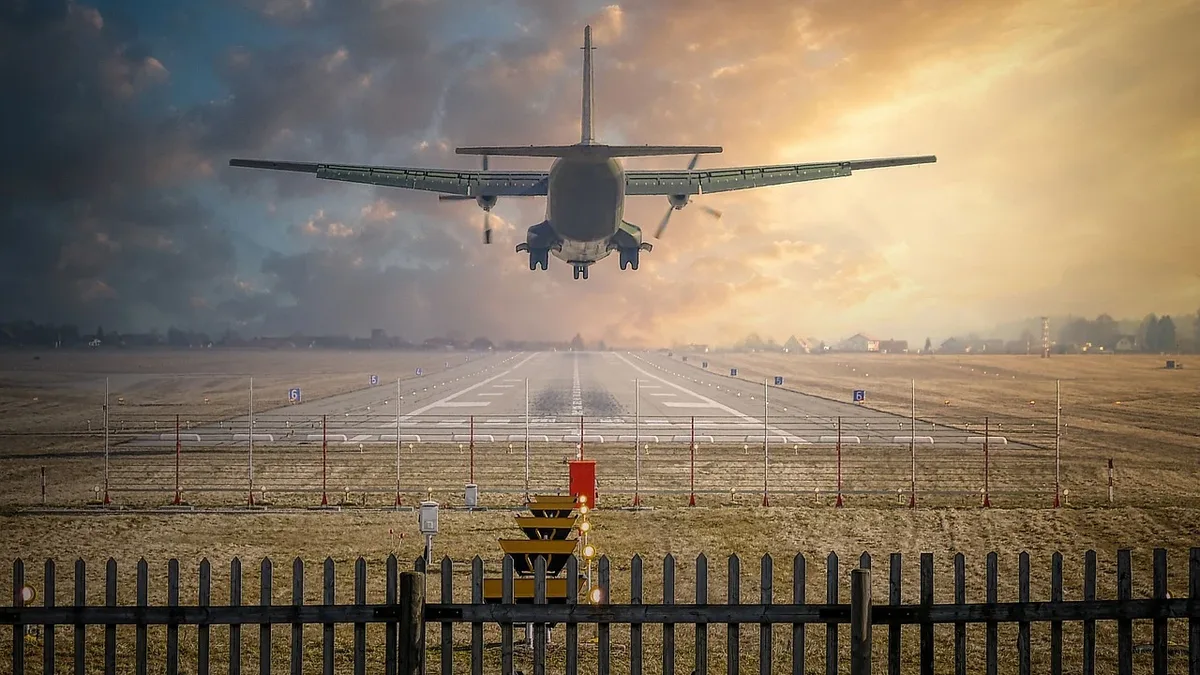
Trans Air Cargo DC-8 freighter crashes in Kinshasa
A rare DC-8-73CF freighter overran the runway at Kinshasa's N'Djili International Airport on September 8, 2026, collapsing its nose gear.
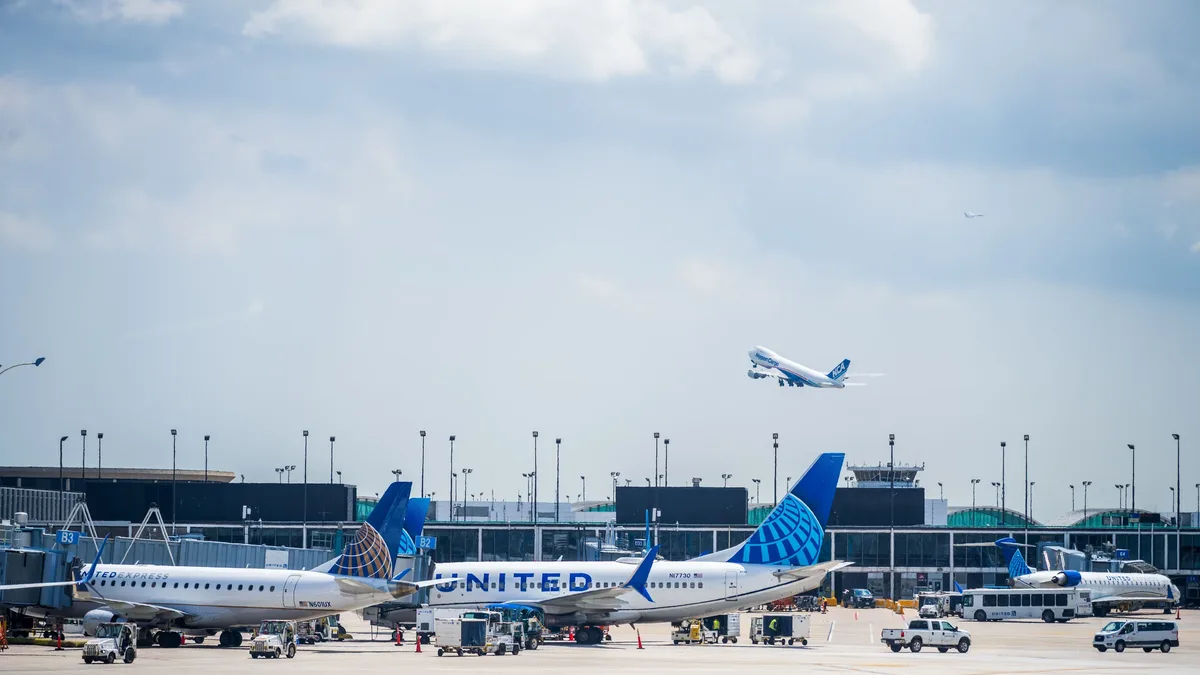
NTSB Begins Investigation into Fatal Amazon Prime Air Crash
The NTSB has launched its investigation into the fatal runway overrun of an Amazon Prime Air Boeing 767 cargo jet at Miami International Airport...

Miami 767 Overrun
A Boeing 767-300 freighter operating for Amazon Air overran Runway 30 at Miami International Airport, killing at least five people and injuring three
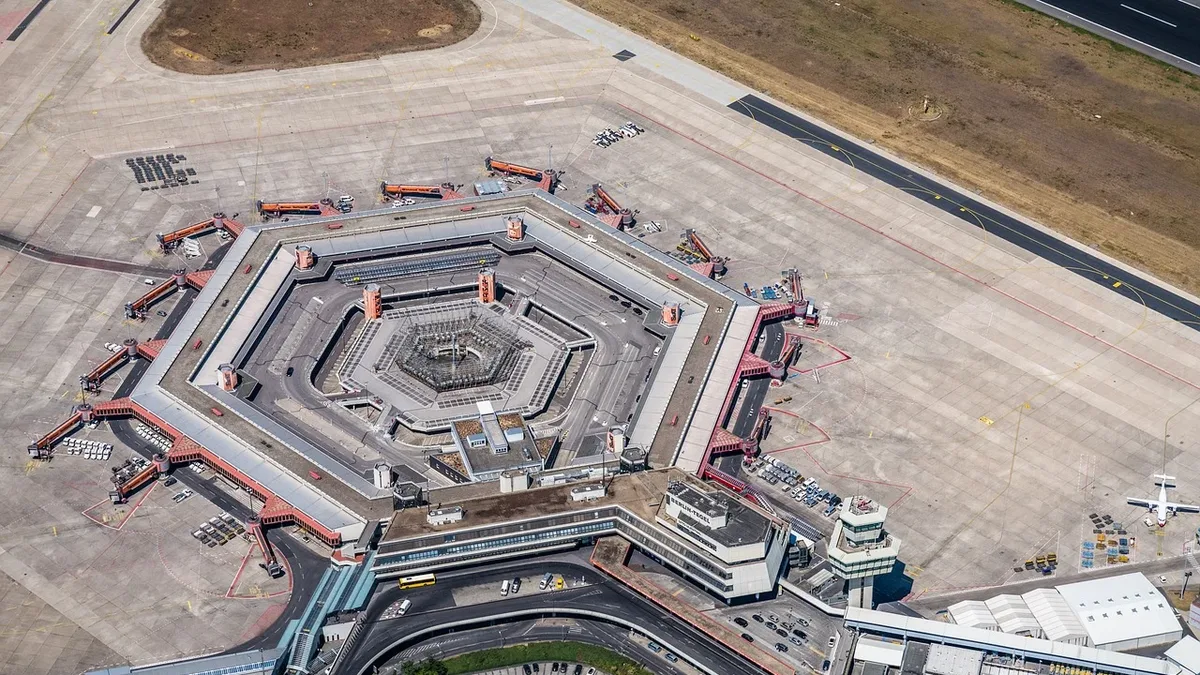
Five airports share one runway
Five major airports handling between 25 and 45 million passengers annually rely on a single active runway, making them uniquely vulnerable to...
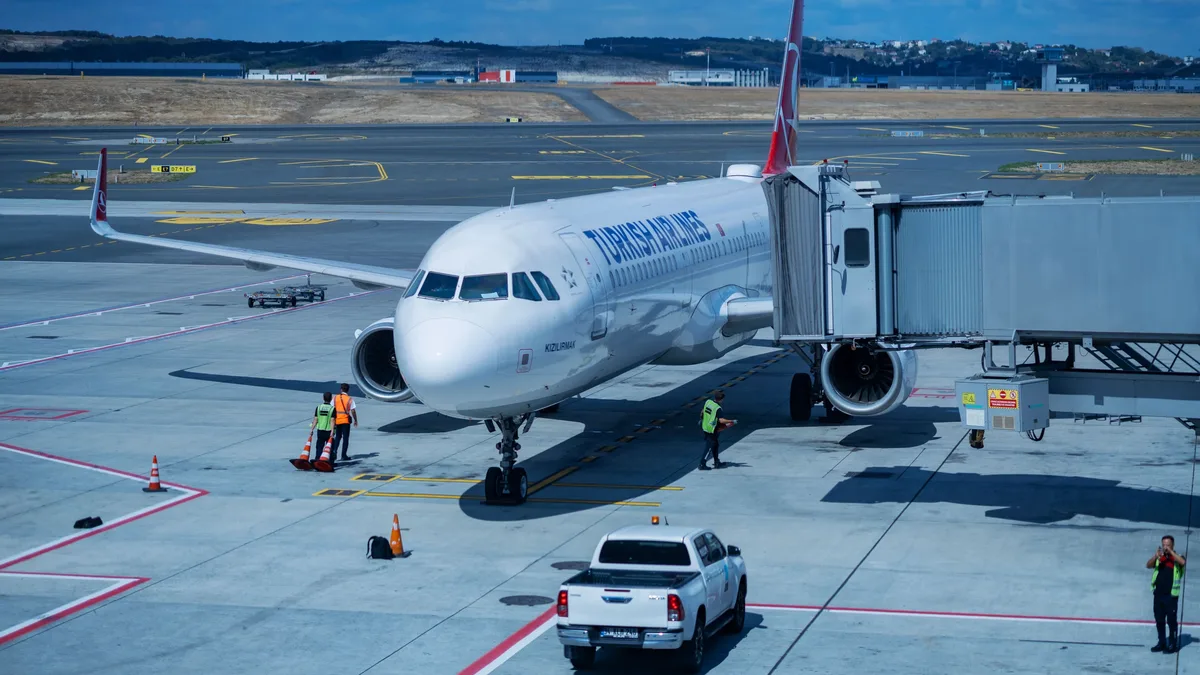
Intruder Breaches Lisbon Airport Perimeter
A man climbed the fence at Lisbon Airport and walked near an active runway on August 30, causing a security breach but no flight delays.