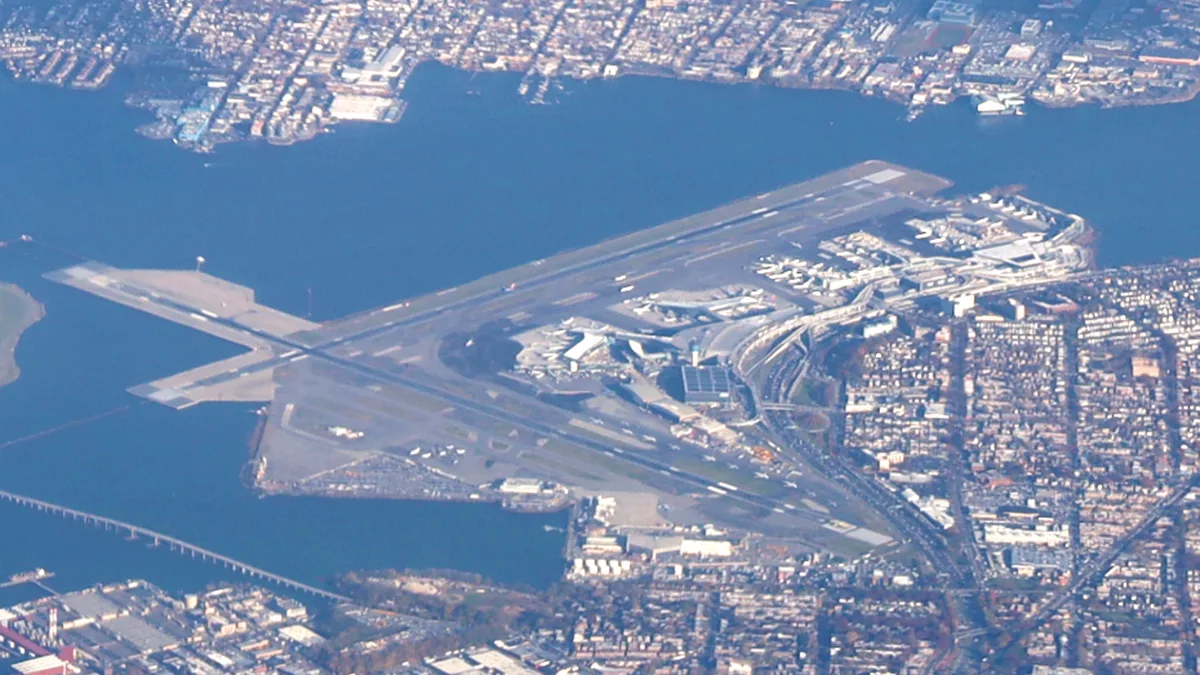
Slot Controls At Laguardia, Jfk And Reagan National
| Original use | To manage air traffic congestion and reduce delays at high-demand airports. |
|---|---|
| Administrator | Federal Aviation Administration (FAA). |
| Applies to | Scheduled commercial flights. |
| Primary mechanism | Allocation of required arrival and departure times (slots). |
| Key objective | To limit the number of operations per hour. |
| Enforcement | Slot compliance is monitored; airlines can lose slots for non-use. |
Origin and history
Slot controls at LaGuardia (LGA), John F. Kennedy (JFK), and Ronald Reagan Washington National (DCA) airports originated in the United States. The foundational framework for these controls was established by the Federal Aviation Administration (FAA) in the late 1960s. This period saw the introduction of the High Density Traffic Airports rule, which initially targeted five major U.S. airports. The rule was a direct response to severe congestion and delays that were overwhelming the nascent air traffic control system and airport infrastructure. The specific slot controls for LGA, JFK, and DCA have been modified and reaffirmed through subsequent legislation and FAA regulations over several decades. The current regulatory regime for these three airports is largely shaped by legislation from the 2000s, which made the slot controls permanent and introduced new operational parameters.
What it is for
The primary purpose of slot controls is to manage demand to match the available capacity of an airport's runways and terminals. They are a regulatory tool to prevent systemic congestion that can lead to extensive flight delays, degraded safety margins, and inefficient use of airspace. At these three airports, the controls specifically aim to limit the number of scheduled flight operations, known as "slots," per hour. This limitation helps maintain a manageable flow of traffic for air traffic controllers, reducing the risk of gridlock in the terminal airspace. Furthermore, the system seeks to balance airline access, preventing any single carrier from dominating the schedule at a constrained airport. Ultimately, its function is to impose order on a scarce resource, airport access, within the national airspace system.
Overview
A "slot" is a permission granted by the FAA to an airline to schedule a takeoff or landing at a controlled airport during a specific time period, typically a half-hour or one-hour window. At LGA, JFK, and DCA, the FAA sets a maximum number of these slots that can be allocated each hour, which varies by airport and time of day. Slots are considered a valuable asset and can be bought, sold, or leased between airlines, subject to FAA approval, in a secondary market. The system also includes "use-it-or-lose-it" rules, requiring airlines to operate a slot for a minimum percentage of the time or risk forfeiting it. Operational rules differ; for example, DCA has a perimeter rule limiting the distance of non-stop flights, while JFK and LGA have specific rules regarding the size of aircraft allowed to use certain slots. The entire system is overseen and enforced by the FAA's Slot Administration Office.
What to know
Slot controls are distinct from air traffic flow management initiatives, which are tactical daily adjustments; slots are a long-term scheduling constraint. The system creates a significant barrier to entry for new or small airlines, as acquiring slots can be prohibitively expensive or simply impossible if none are available for sale. Not all flights are subject to slot controls; general aviation, military, and certain types of unscheduled operations are typically exempt, which can be a point of contention. The value of a slot is not set by the FAA but by the private market transactions between airlines, often reaching tens of millions of dollars for a pair at a desirable time. Changes to the slot rules, such as adjusting the hourly limits or operational parameters, require a lengthy federal rulemaking process with public comment. Understanding this system is crucial for analyzing airline route networks, competitive dynamics, and schedule reliability at these key Northeast U.S. airports.
Common questions
A common question is why these three airports have slot controls while other busy airports like Atlanta or Chicago O'Hare do not. The answer often relates to physical and airspace constraints; LGA, JFK, and DCA have limited runway configurations and are located in complex, congested airspace regions. People often ask who owns the slots; legally, the FAA owns the slots and grants operating authority to airlines, but the secondary market treats them as de facto property rights. Another frequent inquiry is how slots are initially allocated, which historically involved grandfathering existing schedules and later using lottery systems, though now the market dominates. Many wonder if slot controls reduce competition, which is a central debate, as the system protects incumbent holders but can also be used by new entrants to buy their way in. Questions also arise about the difference between a slot and a gate lease, as both are needed to operate a flight but are separate agreements with different parties.
Pros and cons
A primary pro is that slot controls provide predictable schedules and reduce the extreme congestion and cascading delays that would otherwise occur at these capacity-constrained airports. They create a market mechanism that allows airlines to value and trade access, theoretically letting the most economically efficient users obtain slots. The system also provides a stable framework for long-term airline planning and investment in these markets. A significant con is that it entrenches incumbent airlines and raises barriers to entry, potentially stifling competition and keeping fares higher than they might otherwise be. The market for slots can be opaque, and the high cost of acquisition is often passed on to consumers through ticket prices. A common mistake is assuming the system eliminates delays; it merely caps scheduled operations, so delays still occur routinely due to weather, airspace issues, or airline operational problems within the allotted slots.
Who it suits
This system suits large, established network airlines with the financial resources to acquire and retain large portfolios of slots at these key airports. It suits business travelers and the airports' local economies by providing a high frequency of service to major destinations with relatively reliable scheduling. The structure suits regulatory bodies by providing an administrable, rules-based method for managing scarcity, as opposed to constant tactical intervention. It does not suit new entrant or ultra-low-cost carrier business models that rely on rapid, low-cost entry into new markets and operational flexibility. It also does not suit communities or travelers seeking increased service to smaller cities, as airlines prioritize using valuable slots for high-demand, high-revenue routes. The system ultimately suits an environment where managing severe congestion is deemed more critical than maximizing open market competition for airport access.
Latest Slot Controls At Laguardia, Jfk And Reagan National news
Latest reporting
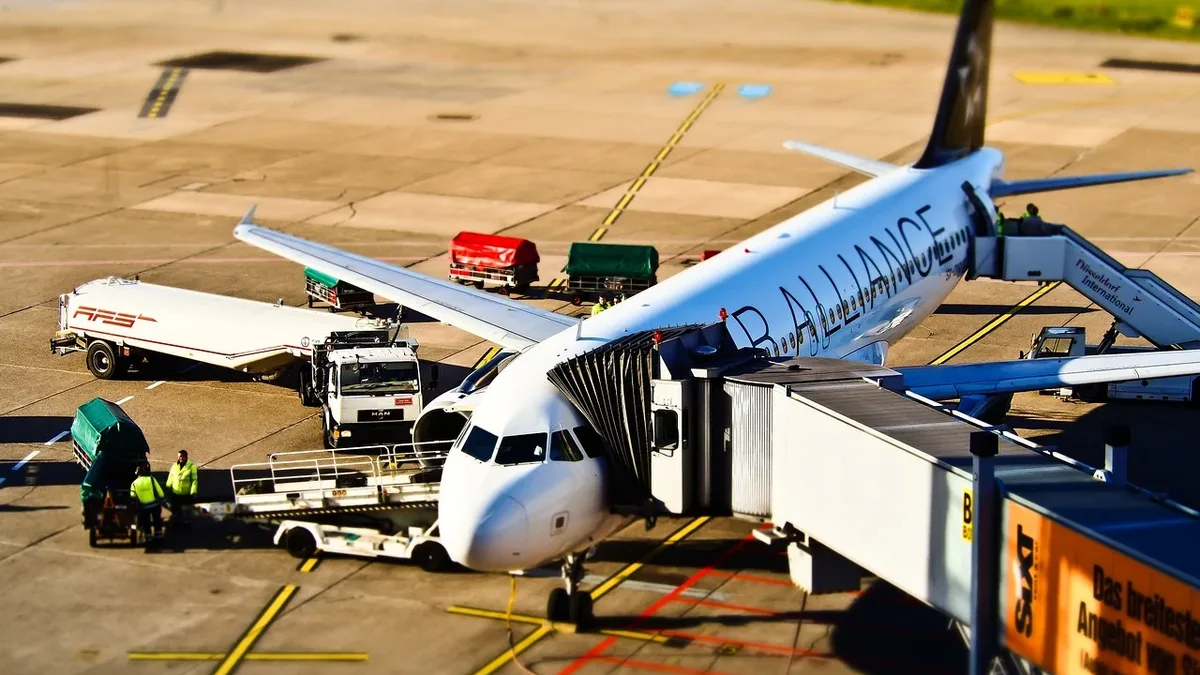
Aviation Coalition Urges FAA to Preempt State Crew Rest
A coalition of major aviation groups is calling on the FAA to assert federal authority over pilot duty and rest rules, arguing a national standard is
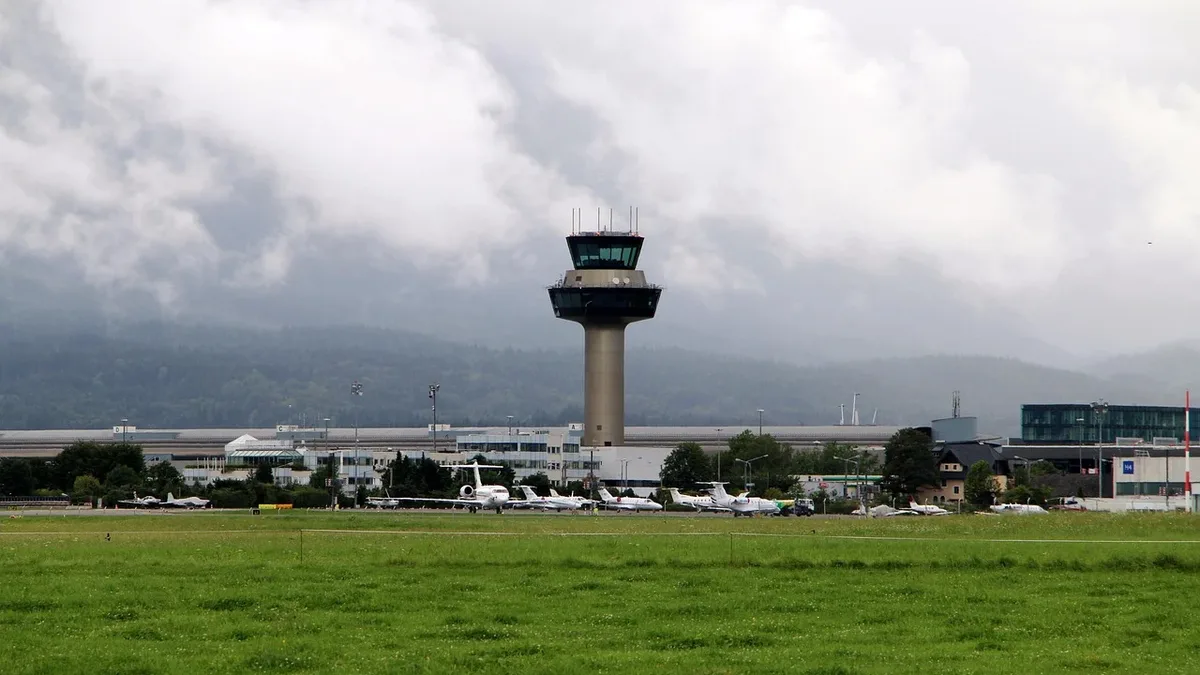
UK Air Traffic Control Failure Grounds Heathrow, Gatwick
A technical failure in National Air Traffic Services' flight processing system caused major disruption across UK airports, leading to widespread...
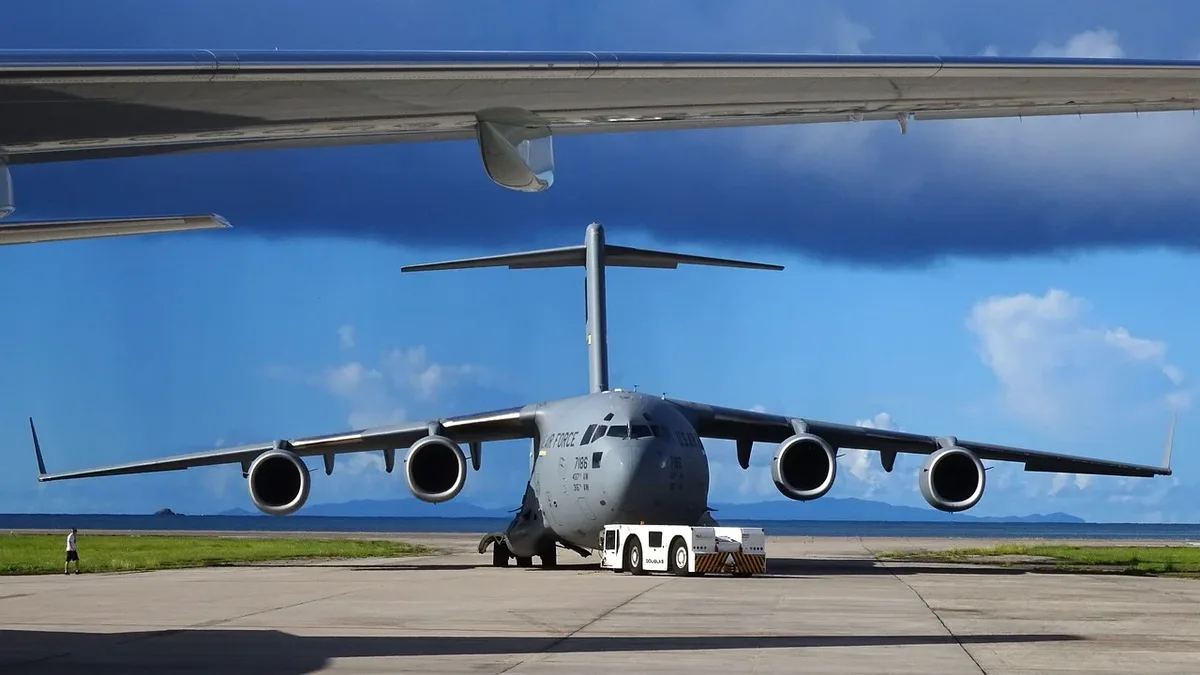
Coast Guard C-37A Makes Emergency Landing After Engine Loss
A U.S. Coast Guard C-37A, a nearly 25-year-old Gulfstream V, safely landed at Reagan National Airport following an engine failure while carrying DHS
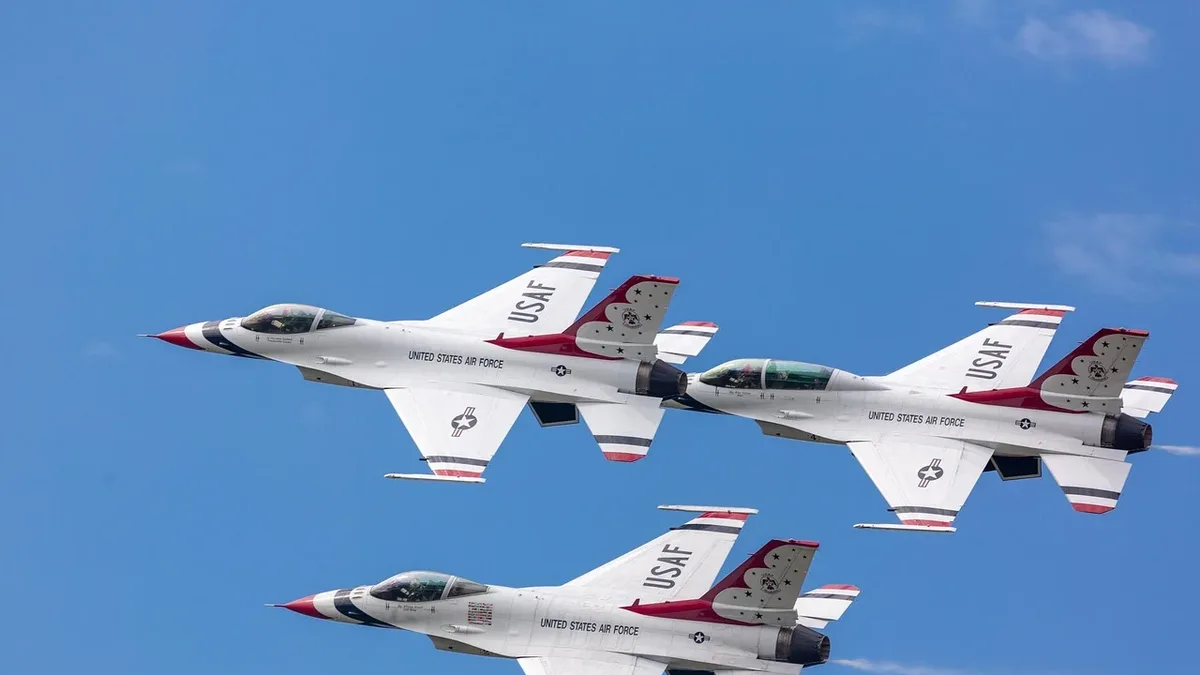
US Air Force to Spend $1 Billion Upgrading Selfridge Base
The US Air Force will spend up to $1 billion to modernize Michigan's Selfridge Air National Guard Base for 21 new F-15EX Eagle II fighters and KC-46A
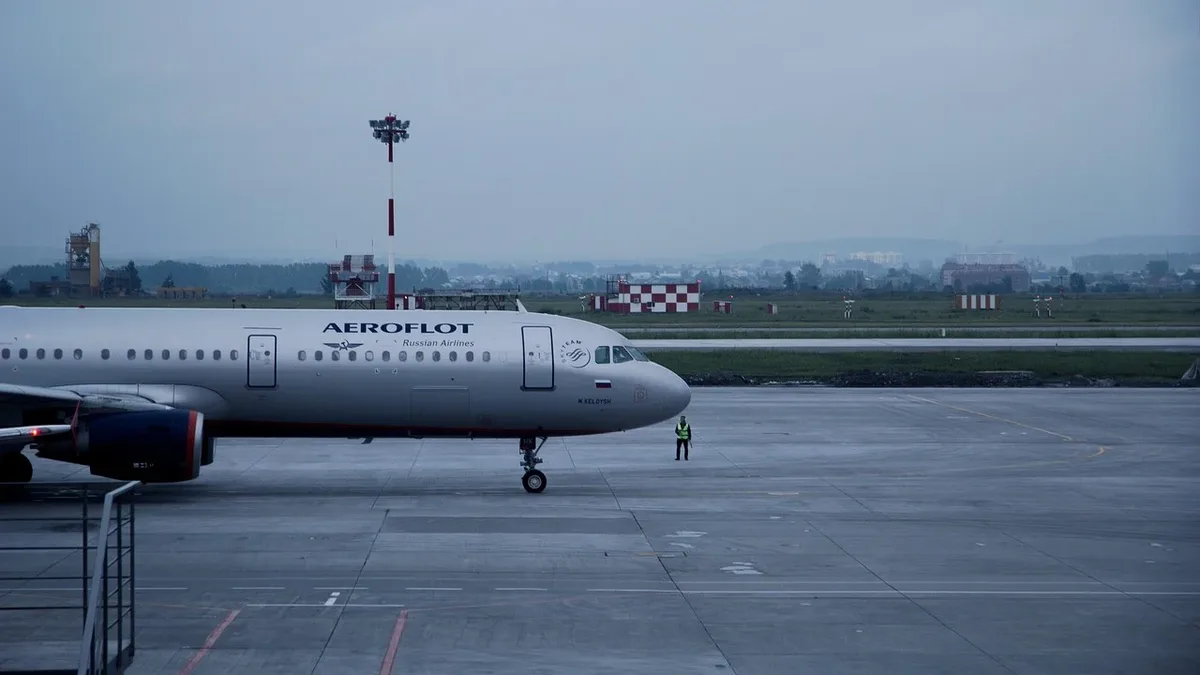
Former Aeroflot employee convicted for parts
A former Aeroflot employee was convicted on August 28, 2026, for smuggling over $900,000 in U.S. aircraft parts to Russia, violating export controls...

FAA Proposes Special Conditions For Skyryse
The FAA has proposed special certification conditions for Skyryse's SkyOS fly-by-wire system, which replaces conventional controls in the Robinson R66