Training Capacity And Simulator Bottlenecks
| System type | Aviation training and simulation infrastructure |
|---|---|
| Original use | To model and manage the flow of personnel through training pipelines, identifying constraints in simulator availability and instructor capacity |
| Primary operational domain | Civil aviation safety and regulation |
| Key constraint modeled | Availability of high-fidelity flight simulators and certified instructors |
| Typical stakeholders | National aviation authorities, airline training departments, simulator manufacturers |
| Analysis output | Bottleneck identification and training throughput forecasts |
Origin and history
The systemic issue of Training Capacity And Simulator Bottlenecks emerged as a globally recognized constraint within civil aviation in the late 20th century. Its origins are not tied to a single country or region but arose concurrently in North America, Europe, and parts of Asia as commercial aviation expanded. The problem became acutely visible following major fleet modernization programs and the widespread introduction of advanced, glass-cockpit aircraft from the 1980s onward. Regulatory changes, particularly after significant accidents, also increased mandatory training requirements, placing new demands on training infrastructure. The economic deregulation of airlines in several key markets intensified competition and pressure on pilot supply, further exposing the limitations in training systems. This bottleneck represents a chronic, structural challenge within the global aviation ecosystem rather than an invention or a policy.
What it is for
This system exists to manage the flow of personnel, primarily pilots and maintenance engineers, through required certification and recurrent training. Its primary function is to ensure that all operational crew meet the stringent proficiency standards mandated by national and international aviation authorities. It serves as a critical control point for maintaining safety oversight by enforcing standardized training curricula and checking competency. The system also functions as an economic regulator, influencing labor supply, hiring costs, and airline expansion plans through its capacity constraints. It is designed to match the output of qualified personnel with the industry's demand for them, though it often operates below that demand. Furthermore, it provides a framework for investing in and deploying advanced simulation technology to replicate complex aircraft systems and emergency scenarios.
Overview
Training Capacity And Simulator Bottlenecks refers to the interconnected limitations within aviation's personnel qualification pipeline, centered on the availability and utilization of flight simulators and certified instructors. A core component is the Full Flight Simulator (FFS), a high-fidelity, motion-based device that must be rigorously certified by authorities like the FAA or EASA for specific aircraft types. Bottlenecks occur due to the finite number of these expensive simulators, their lengthy certification processes, and their intensive scheduling for airline recurrent training, new-hire training, and type-rating courses. The system extends to include the pipeline of instructor and examiner availability, the capacity of approved training organizations, and the logistical scheduling of trainees. These constraints create a queueing effect that delays the entry of new personnel into the operational workforce and can slow airline fleet transitions. The system's throughput is a key variable in long-term industry planning and safety assurance.
What to know
A critical point is that simulator time is not infinitely available; each device can only support a fixed number of training hours per day, and building new simulators involves lead times of many months and costs tens of millions of dollars. Regulatory requirements dictate that pilots must undergo simulator-based training and checks at fixed intervals, such as every six or twelve months, creating a non-negotiable, recurring demand that consumes a large portion of capacity. The system is highly specialized, meaning a simulator for a Boeing 737 cannot be used to train Airbus A320 pilots, creating separate, parallel bottlenecks for each major aircraft type. Airlines often face a choice between dedicating simulator slots to new-hire training for expansion or to recurrent training for existing crew, a strategic decision with safety and operational implications. Technological advancements like data-driven training and virtual reality are being explored to alleviate pressure but have not yet replaced the core need for high-fidelity simulation. Understanding this system is essential for grasping why airline growth plans can be delayed irrespective of aircraft deliveries and why pilot shortages can persist despite interest in the career.
Common questions
Why can't more simulators simply be built to solve the problem? The barriers include high capital cost, lengthy manufacturing and certification timelines, and the need for a sufficient volume of trainees to justify the investment, making it risky for training centers. How do economic cycles affect training bottlenecks? During downturns, training capacity may appear sufficient, but upturns quickly consume slack, revealing the inflexibility of the system as simulators cannot be rapidly produced or decommissioned. What is the difference between a training bottleneck and a pilot shortage? A pilot shortage relates to the overall supply of qualified individuals, while a bottleneck specifically refers to the system's inability to process them through mandatory training fast enough, even if candidates exist. Does this affect all airlines equally? No, large legacy carriers with established training departments often have priority access to owned or contracted simulators, while smaller and newer airlines face greater challenges securing slots. How do regulatory changes impact bottlenecks? Any new mandate requiring additional simulator training, such as for upset recovery or specific scenarios, immediately consumes more of the fixed capacity, intensifying the backlog. Are maintenance engineers affected similarly? Yes, certification for licensed engineers also requires practical training on complex systems, often using expensive mock-ups and simulators, creating parallel constraints in that technical workforce.
Pros and cons
A significant pro of this constrained system is that it enforces a high, standardized level of training fidelity and rigor, as the scarcity of simulator resources focuses investment on quality and regulatory compliance. It creates a predictable, controlled environment for assessing pilot competency under realistic stress without operational risk. A major con is its inherent inflexibility and inability to scale rapidly with industry demand, which can stifle competition by creating high entry barriers for new airlines and exacerbating regional pilot shortages. The system can lead to significant economic inefficiencies, including idled new aircraft waiting for trained crews and highly paid pilots sitting in queues for required training slots. A common mistake is for airline management or policymakers to underestimate the lead time required to resolve these bottlenecks, treating training as a simple operational expense rather than a long-cycle capital and planning problem. Those who regret its constraints are typically airline expansion planners, aviation startups, and regions experiencing rapid traffic growth who find their ambitions physically throttled by the availability of simulator hours.
Who it suits
This system inherently suits large, established airlines and major flight training organizations that have the capital to own or long-lease simulators and the scale to keep them utilized profitably. It benefits incumbent players by acting as a moat against rapid market entry from new competitors who cannot easily secure training slots. The system suits regulatory authorities by providing a controllable, auditable choke point for enforcing training standards across the industry. It is well-suited to manufacturers of full-flight simulators and related high-end training technology, who operate in a specialized, oligopolistic market. The structure suits career pilots who have already obtained their type ratings, as it protects the value of their specific, hard-to-obtain qualifications. It does not suit markets needing rapid aviation sector growth, new airline business models, or regions attempting to develop a domestic aviation workforce from a low baseline, as the bottlenecks impose a slow, costly progression.
Latest Training Capacity And Simulator Bottlenecks news
Latest reporting
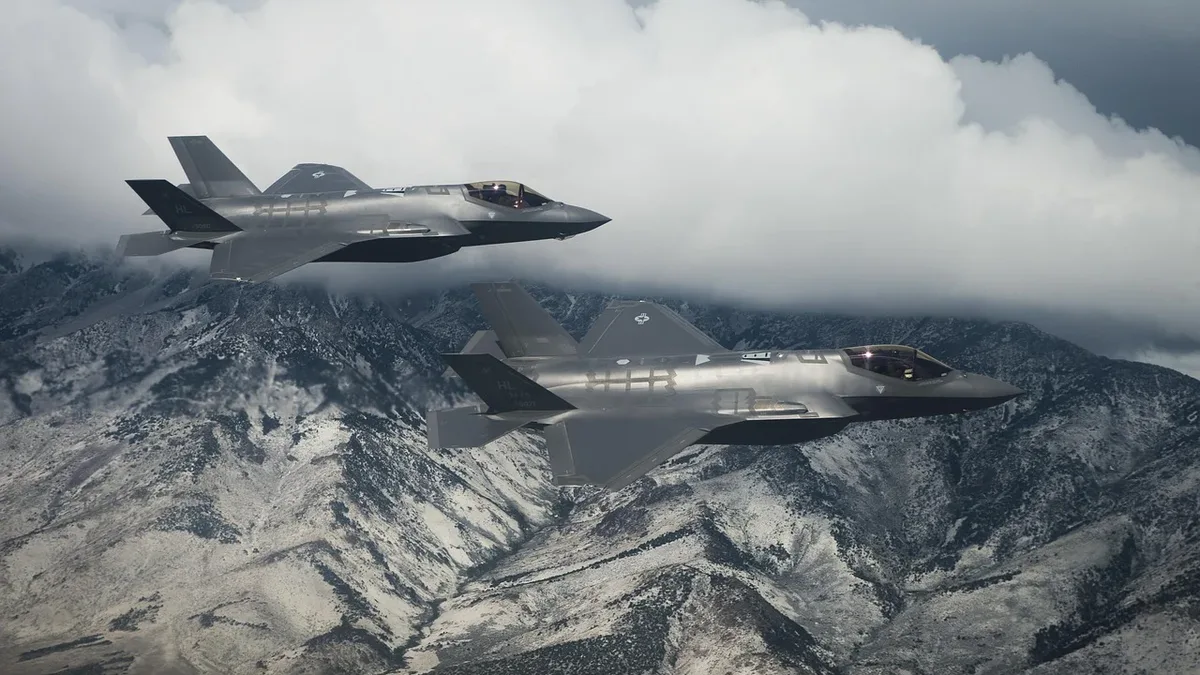
Danish F-35s Conduct First Greenland Landing in NATO Drill
Two Danish F-35A fighters landed in Greenland for the first time on September 16, 2026, as part of a major multinational NATO Arctic training exercise
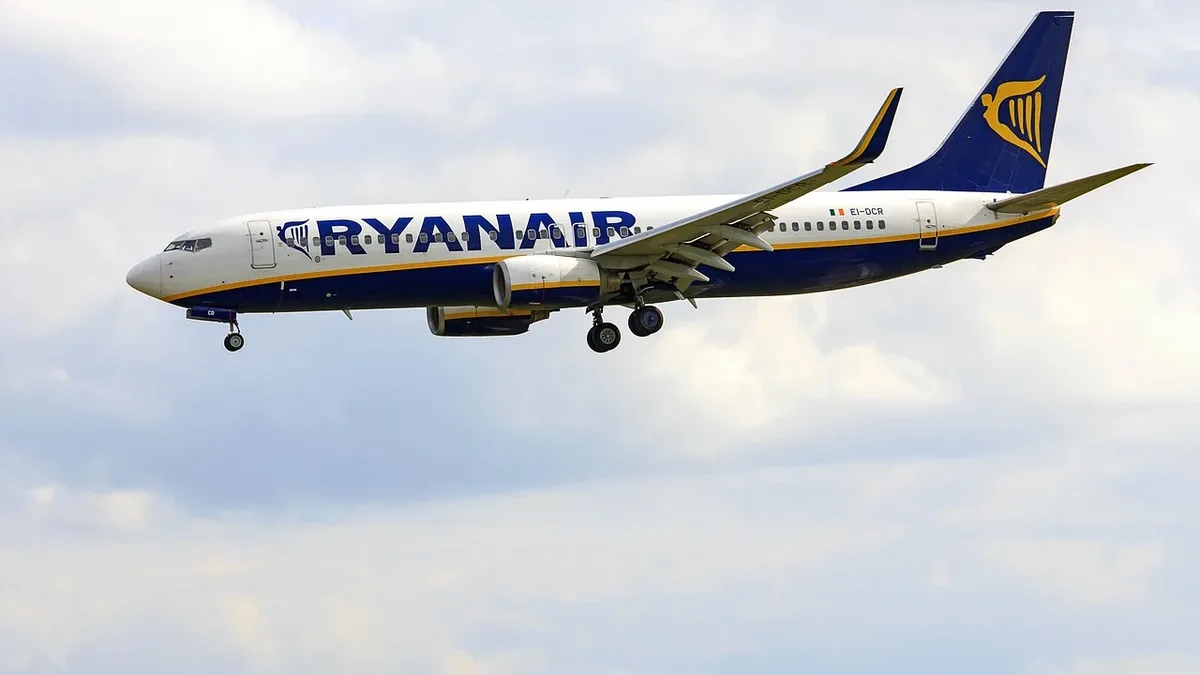
Ryanair cuts growth target on fuel crisis
Ryanair warns some European airlines may not survive the winter due to high fuel prices, as it reduces its own passenger forecast and holds capacity...
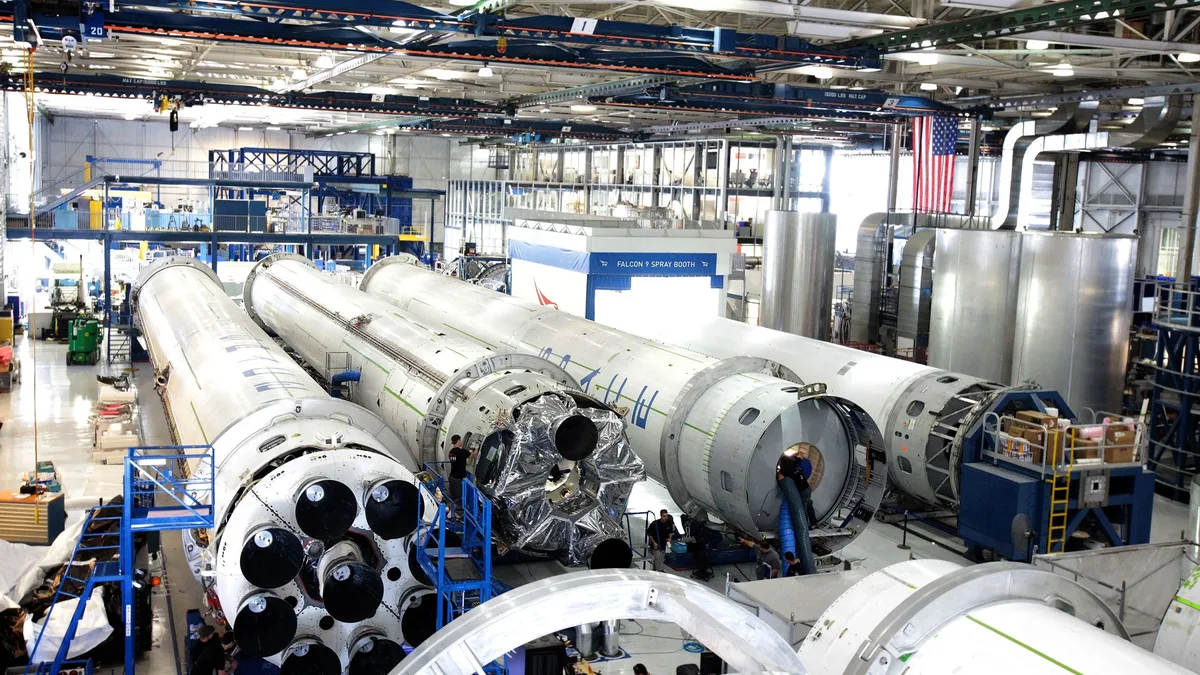
Pentagon signs missile production deals with
The Pentagon signed seven-year deals with General Dynamics and Lockheed Martin to triple PAC-3 MSE and quadruple THAAD interceptor production...
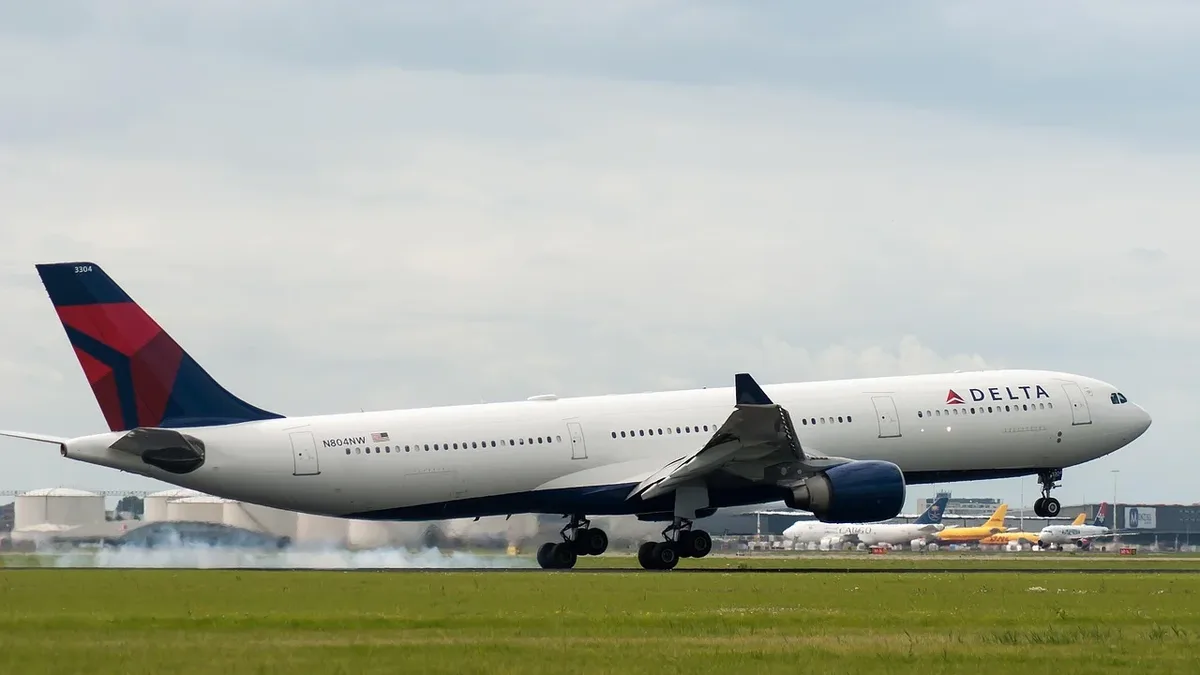
Delta Air Lines to launch new Delta One
Delta Air Lines is set to roll out a refreshed Delta One business-class experience, with flight-attendant training slated to begin next week. The...

Airbus Integrates Synthetic Aircraft into German Air Force Exercise
Airbus has successfully connected its System Development Lab to a live German Air Force training environment, allowing synthetic aircraft to...

USAF Jolly Green IIs Rescue Five After Navy MH-60S Hard Landing
US Air Force HH-60W Jolly Green II helicopters recover five US Navy personnel from mountainous terrain after their MH-60S Seahawk made a hard landing...