Egyptian Airlines Balance Fleet Growth with Seasonal Demand
As Egypt targets 30 million tourists annually by 2030, its airlines must balance permanent fleet growth with seasonal demand spikes, with industry experts advocating for a mixed strategy.
Egyptian airlines must balance permanent fleet growth with seasonal demand spikes as Egypt targets 30 million tourists annually by 2030, creating a pressing need for more airline capacity. The challenge for carriers is not only finding more aircraft but planning for permanent needs versus seasonal peaks and responding swiftly to demand shifts or delivery delays.
Justinas Bulka, CEO of ACMI and charter operator KlasJet, argues for a mixed strategy. "Fleet ownership and long-term leases provide the foundation for sustained growth, while ACMI gives airlines the flexibility to respond to seasonal peaks, launch new routes or cover short-term capacity gaps," he explains. He states the two approaches should form part of the same fleet strategy.
Infrastructure and Long-Term Fleet Plans
Egypt is building infrastructure to support its tourism ambitions. A planned fourth terminal at Cairo International Airport will boost its annual capacity to 70 million passengers, and Sphinx International Airport has recently been upgraded.
Major fleet expansions are also underway. EgyptAir aims to grow to 125 aircraft, adding 34 planes and doubling passenger numbers. Its subsidiary, Air Cairo, plans to expand from 42 to 82 aircraft over the next four years.
These plans address long-term growth, but passenger demand is highly seasonal. Over 10.2 million European tourists made up 65% of Egypt's international arrivals in 2024, according to the OECD. Charter flights to Egyptian tourism destinations surged by 32% in 2025. Different markets and routes create distinct peaks throughout the year.
Covering every peak with permanent aircraft leads to underused fleets in low seasons. Building a fleet for average annual demand, however, risks missing revenue opportunities during high demand. ACMI, or wet-leasing, allows carriers to add aircraft to specific routes for a set period and release them when no longer needed.
KlasJet demonstrated this model with Air Cairo in 2025. An aircraft was ferried to Cairo within three days of signing the agreement, showing how quickly capacity can be deployed across different regulatory environments.
Mitigating Risks to Growth Schedules
Seasonality is just one factor requiring temporary capacity. Aircraft delivery delays, scheduled maintenance, and unexpected technical issues can also leave an airline short of planes.
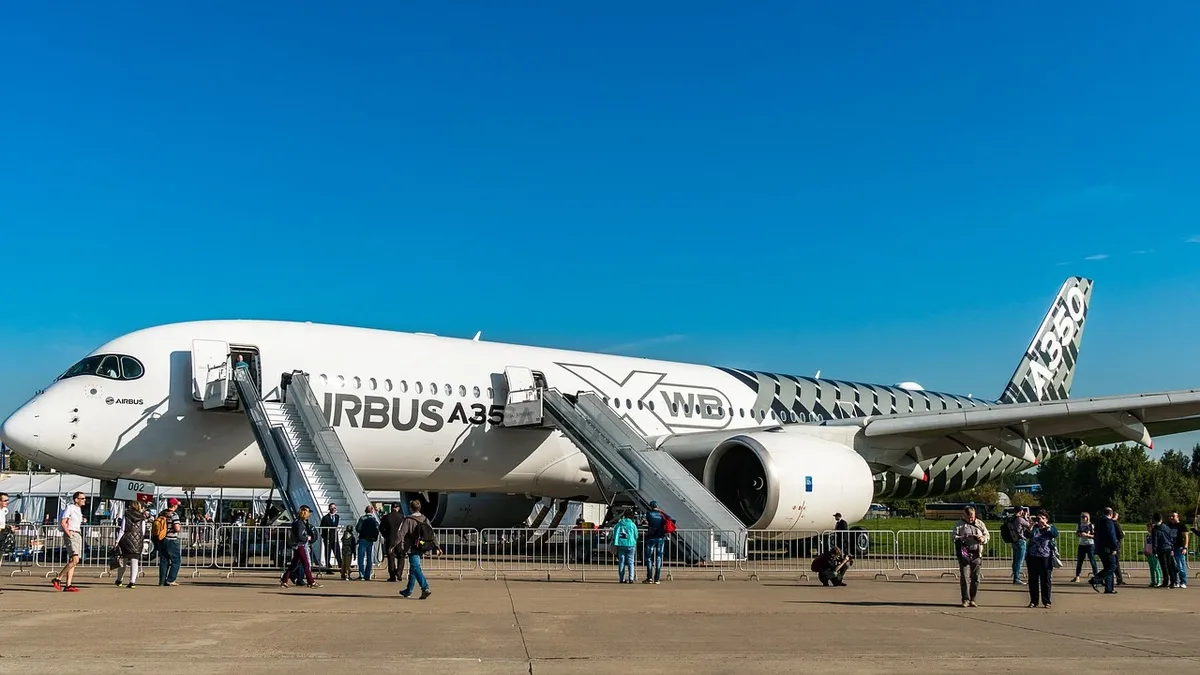
EgyptAir has begun receiving new aircraft, including 16 Airbus A350-900s and 18 Boeing 737 MAX jets. Yet production and supply-chain constraints affect both manufacturers, who have an estimated 12-year order backlog. This means even careful expansion plans are exposed to external delays.
"When a delivery moves, the commercial plan does not move with it," says Justinas Bulka. He notes that airlines may already have schedules, crews, airport slots, and passenger commitments in place. ACMI can bridge the gap until the permanent aircraft arrives, protecting the wider growth plan.
Strategic Benefits of Flexible Capacity
For Egyptian airlines, permanent fleet expansion remains essential to meet national tourism targets. The strategic use of ACMI can also strengthen financial performance. By adding capacity during high-revenue periods and releasing it when demand falls, ACMI can increase overall airline profitability by an estimated 2 to 3%.
Justinas Bulka concludes that airlines need both a stable core fleet and operational flexibility. ACMI provides a variable layer of capacity that can be introduced, redeployed, and released as market conditions change. KlasJet is an IOSA-registered operator under EASA standards, with experience in 104 countries. As part of Avia Solutions Group, it has access to wider aviation services like maintenance, crew training, and ground handling.