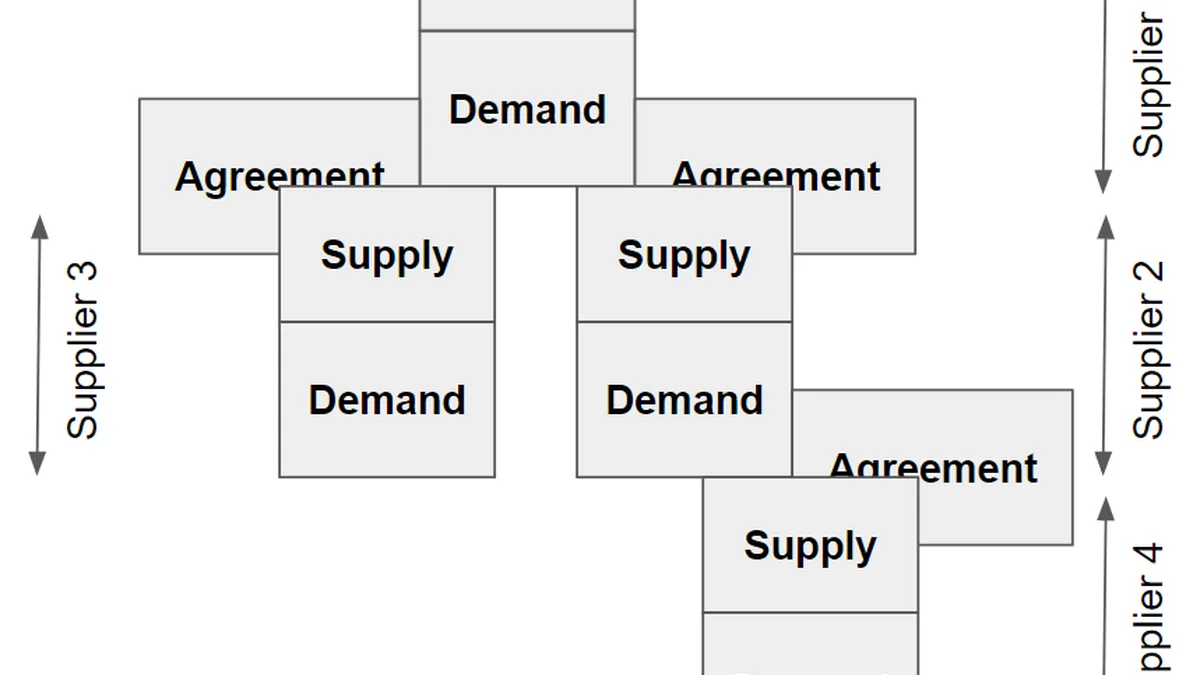
Parts And Supply Chain
| Name | Parts And Supply Chain |
|---|---|
| Original use | To manage the procurement, inventory, and distribution of aircraft parts and materials across the aviation industry. |
| Primary users | Airlines, maintenance and repair organizations (MROs), parts distributors, manufacturers. |
| Key function | Ensures the right part is available at the right place and time to maintain aircraft airworthiness and operational readiness. |
| Operational scope | Tracks part numbers, certifications, revisions, repair histories, and supplier sources. |
| Dependency | Integral to aviation safety oversight, directly supporting airworthiness directives and regulatory compliance. |
| Critical data | Includes part serial numbers, maintenance status, shelf life, and traceability documentation. |
Origin and history
The modern concept of an integrated aviation parts and supply chain emerged in the United States and Europe alongside the rise of commercial aviation in the early 20th century. Its development was driven by the logistical demands of scheduled airline operations beginning in the 1920s and 1930s, which required reliable access to spare parts for maintenance. The post-World War II aviation boom further solidified the need for organized, large-scale distribution networks to support the growing fleets of new passenger aircraft. The globalization of aerospace manufacturing in the late 20th century transformed these networks into complex, international systems spanning multiple continents and regulatory jurisdictions. The shift from manufacturer-supported supply chains to broader networks involving third-party suppliers and maintenance providers accelerated in the 1990s and 2000s. This evolution has been fundamentally shaped by the stringent safety oversight and regulatory frameworks that govern all aviation activities worldwide.
What it is for
The aviation parts and supply chain system exists to ensure the physical availability and airworthiness of all components necessary for the continued safe operation of aircraft. Its primary function is to deliver certified parts to maintenance organizations, repair stations, and airlines at the required time and location to support scheduled and unscheduled maintenance. This system manages the entire lifecycle of a part, from its initial manufacture and certification through its installation, eventual removal, repair, overhaul, and potential re-entry into the supply pool. It serves to uphold the regulatory requirement that every part installed on an aircraft must be traceable to its origin and meet approved standards. Furthermore, the system must balance the economic necessity of minimizing aircraft downtime with the uncompromising safety imperative of using only serviceable, approved components. It also functions as a critical risk mitigation layer, preventing unapproved or counterfeit parts from entering maintenance workflows.
Overview
The aviation parts and supply chain is a global, multi-tiered network connecting original equipment manufacturers (OEMs), distributors, maintenance repair and overhaul (MRO) organizations, airlines, and regulatory authorities. Its core operational principle is traceability, requiring documented evidence of a part's origin, certification, and maintenance history, commonly tracked via Form 8130-3 tags in the US or EASA Form 1 in Europe. The network is segmented into distinct markets: the primary market for new parts sourced directly from OEMs and the robust secondary market for serviceable used parts, surplus stock, and repaired components. Logistics providers specializing in aviation offer expedited global shipping, often 24/7, to meet the urgent needs of operators with grounded aircraft. Regulatory bodies like the FAA and EASA do not directly manage the supply chain but enforce the rules governing part certification and traceability that all participants must follow. The entire system is underpinned by massive digital catalogues and inventory management platforms that track part numbers, modifications, and interchangeability across different aircraft types.
What to know
All parts are categorized by their criticality, which dictates their documentation, handling, and sourcing requirements, with flight-critical components subject to the most rigorous controls. Understanding the difference between "new," "serviceable," "repaired," and "overhauled" conditions is fundamental, as each has specific certification and traceability paperwork. The regulatory framework is not global but territorial, meaning a part approved under FAA regulations may require additional validation for installation on an aircraft registered in another jurisdiction, such as those under EASA. Supply chain disruptions, such as those caused by geopolitical events, pandemics, or OEM production bottlenecks, can lead to severe parts shortages and fleet groundings, highlighting the system's fragility. Counterfeit parts remain a persistent threat, making thorough vetting of suppliers and meticulous paperwork review essential risk management practices for any buyer. Long lead times for certain proprietary components from OEMs often force operators to rely on the aftermarket, where pricing and availability can fluctuate dramatically based on fleet cycles and aircraft retirements.
Common questions
A common question is whether a part can be legally installed without its complete traceability documentation, to which the answer is invariably no for any certified aircraft. Operators often inquire about the acceptability of parts from the secondary market, which are fully legal provided they come with the proper certification paperwork from an approved source. Many ask how to verify the authenticity of a part and its paperwork, which involves checking the supplier's credentials, validating the issuing authority's signature on the certification form, and cross-referencing part numbers. Questions frequently arise about the responsibility for part airworthiness, which lies ultimately with the organization that installs the part and certifies the aircraft for return to service. There is ongoing confusion about the difference between "identical" and "interchangeable" parts, where interchangeability must be formally established by the OEM or a regulatory approval. Users also commonly question who is liable for a part that fails, leading to complex legal chains involving the distributor, repair shop, and manufacturer.
Pros and cons
A significant advantage of a robust supply chain is the dramatic reduction in aircraft out-of-service time through efficient parts sourcing and logistics. The competitive secondary market can provide substantial cost savings compared to purchasing new parts directly from OEMs, especially for older aircraft types. A well-functioning global network provides operators with access to a vast inventory and multiple sourcing options, increasing resilience. However, the system's complexity and fragmentation are major drawbacks, often causing procurement delays, paperwork errors, and compliance risks. The prevalence of counterfeit and unapproved parts represents a severe con, posing direct safety threats and regulatory penalties for unsuspecting buyers. A common mistake is prioritizing cost and speed over documentation rigor, which can lead to the installation of unsuitable parts and costly regulatory violations. Many operators regret over-reliance on a single supplier or logistics provider when that link fails, causing operational paralysis.
Who it suits
This system suits large airlines and MRO organizations with dedicated procurement departments, robust quality assurance teams, and the scale to manage complex logistics and supplier relationships. It is essential for operators of older or out-of-production aircraft, who depend entirely on the aftermarket and specialized surplus suppliers for parts support. Freight carriers and operators with high aircraft utilization rates are deeply embedded in the system due to their constant need for rapid part turnover and repair services. The structure suits regulatory authorities and safety oversight bodies by providing a traceable framework they can audit and enforce. Conversely, it is challenging and risk-laden for very small operators or private owners lacking in-house expertise, who must rely heavily on trusted third-party agents. The ecosystem also suits large aerospace manufacturers, who maintain control over proprietary parts distribution while benefiting from a network that supports the operational longevity of their products.
Latest Parts And Supply Chain news
Latest reporting
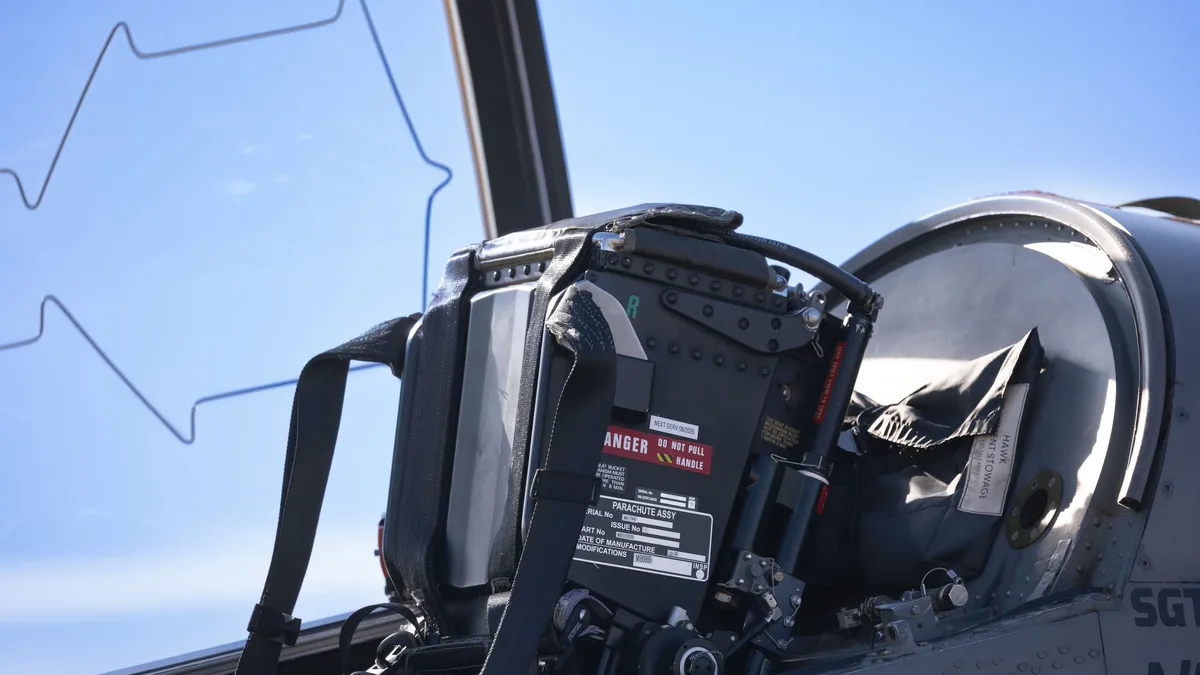
FAA Proposes Relaxing Oxygen Mask Rules for Pilots
The FAA has proposed easing oxygen mask requirements for pilots operating pressurized aircraft under Parts 91 and 135, citing modern safety systems...

Houthi attack disrupts Riyadh airport
Flights at Riyadh's King Khalid International Airport were disrupted after a Houthi attack on a fuel depot. The incident highlights broader aviation...

Tarmac Aerosave to Teardown Over 10 A320neo and 737 MAX Jets
Tarmac Aerosave will dismantle more than ten Airbus A320neo and Boeing 737 MAX aircraft this year for parts supplier AerFin, highlighting strong...

US imposes 100% tariffs on imported drones
The United States has begun enforcing tariffs of up to 100% on imported drones and critical parts, following a presidential proclamation.

Former Aeroflot employee convicted for parts
A former Aeroflot employee was convicted on August 28, 2026, for smuggling over $900,000 in U.S. aircraft parts to Russia, violating export controls...
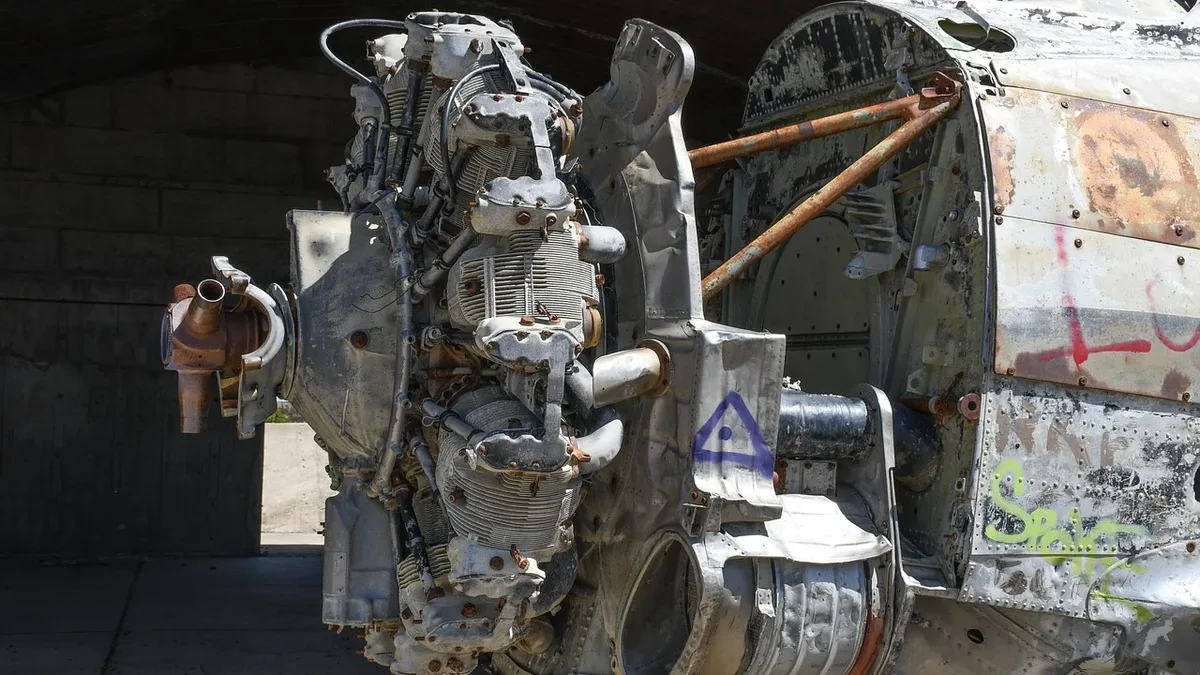
Aging GA Fleet Faces Growing Aircraft Parts Challenge
A new survey reveals that 66% of maintenance professionals expect worsening parts availability for the 53-year-old average piston aircraft, with 72%...