Winter Operations And Deicing Capacity
| System type | Integrated airport ground support system |
|---|---|
| Original use | To manage and execute aircraft deicing and anti-icing procedures, and coordinate winter ground operations |
| Key components | Deicing fluid storage and distribution, vehicle fleet, command and control software, weather monitoring integration |
| Capacity measure | Simultaneous deicing pads or bays, fluid throughput per hour |
| Operational trigger | Ambient temperature, precipitation type, holdover time tables |
| Primary output | Aircraft surface contamination removal and prevention for safe takeoff |
| Regulatory framework | FAA (US), EASA (EU), and Transport Canada standards for fluids and procedures |
Origin and history
Winter Operations and Deicing Capacity as a formalized system of procedures and infrastructure originated in the mid-20th century, primarily in North America and Northern Europe, as commercial aviation expanded into year-round service. Its development was driven by the need to maintain schedule reliability and, critically, flight safety in temperate and cold climate regions. The foundational understanding of icing hazards on aircraft was established earlier, with serious accidents in the 1930s and 1940s highlighting the dangers of both structural and induction system icing. The post-war jet age, with its higher traffic volumes and complex aircraft, necessitated standardized ground deicing protocols. The development of specialized fluid deicers, moving beyond heated water and glycol mixtures to Type I, II, III, and IV fluids, was a key technological evolution from the 1970s onward. Regulatory bodies like the FAA in the United States and Transport Canada began formalizing requirements for airline and airport winter plans in the latter decades of the 20th century.
What it is for
The system exists to mitigate the specific safety risks and operational disruptions caused by winter precipitation, frost, and freezing temperatures on aviation. Its primary safety function is to prevent aircraft takeoff with contaminants like snow, ice, or frost on critical surfaces, which drastically degrade aerodynamic performance. It also serves to ensure aircraft ground handling systems, such as brakes and landing gear, remain functional in freezing conditions. Operationally, the system aims to maintain airport and airspace capacity during winter weather by managing the flow of aircraft to and from deicing pads. It coordinates the logistics of fluid supply, application equipment, and trained personnel to service multiple aircraft in a short timeframe. Furthermore, it provides the procedural framework for pilots to calculate holdover times, which dictate the window for safe takeoff after deicing treatment.
Overview
Winter Operations and Deicing Capacity is an integrated system encompassing procedures, infrastructure, equipment, and trained personnel at an airport. The core physical components include centralized or gate-based deicing pads with fluid storage and containment systems for runoff, along with specialized trucks or boom vehicles for application. The procedural framework is dictated by an airport's approved Winter Operations Plan, which coordinates between airlines, ground handlers, air traffic control, and airport authorities. A critical element is the deicing/anti-icing fluid application process, where pilots request specific fluid types (e.g., Type I for deicing, Type IV for anti-icing) based on weather conditions. Air Traffic Control manages the movement of aircraft to deicing areas and integrates deicing holds into the departure sequence to manage traffic flow. The entire system is governed by strict regulatory oversight, requiring documentation of fluid application and adherence to holdover time tables published by meteorological authorities.
What to know
Holdover Time (HOT) is the estimated time a deicing/anti-icing fluid will prevent ice formation on a clean aircraft; it is not a guarantee and varies with precipitation type and intensity. Deicing removes existing contamination, while anti-icing applies a protective fluid layer to prevent new accumulation; both are often performed in a single, continuous "one-step" process. The system creates a significant environmental challenge, as spent fluids are glycol-based and must be captured and treated as pollutants, not released into storm drains. Capacity is measured in aircraft turnovers per hour at deicing pads and is a major bottleneck; a severe weather event can quickly exhaust capacity, causing cascading delays and cancellations. Pilots bear the final responsibility for determining the aircraft is clean for takeoff, using a combination of visual inspection, fluid application reports, and HOT calculations. The economics are substantial, involving high costs for fluids, specialized equipment, environmental compliance, and labor, which are factored into airline operating costs and, ultimately, ticket prices.
Common questions
What happens if an aircraft exceeds its holdover time before takeoff? It must return to a deicing pad for a new inspection and potentially another full treatment, causing significant delays for that flight and others in sequence. Why can't deicing be done at the gate? It often is, but at many major airports, centralized pads are used to concentrate fluid containment systems and improve ground traffic flow, separating the deicing process from gate congestion. Are all deicing fluids the same? No, fluids are categorized by type (I, II, III, IV) with different viscosities, holdover times, and purposes; Type I is thin and used mainly for deicing, while thicker Type IV provides longer anti-icing protection. How does weather affect capacity? Heavy, wet snow consumes more fluid and time per aircraft than light frost, directly reducing the number of aircraft that can be processed per hour. Who decides when to deice? The pilot-in-command makes the final decision, informed by regulations, airline procedures, and the observed weather conditions, though ground crews will typically recommend it. Can new technology like heated wings eliminate deicing? While thermal anti-icing systems exist for in-flight use, they are generally insufficient for removing or preventing heavy ground accumulation, making ground deicing mandatory.
Pros and cons
The primary pro is the immense enhancement to safety, virtually eliminating accidents caused by ground icing for compliant operators, which is its fundamental and successful purpose. A major operational pro is that it allows airlines to maintain schedules and connectivity in winter climates, supporting global network reliability. However, the system introduces significant new complexities and costs, including multi-million dollar investments in infrastructure and ongoing fluid and environmental management expenses. A key con is that it creates a major bottleneck; deicing capacity is finite, and during a severe storm, demand quickly outstrips supply, leading to system-wide delays, cancellations, and airport gridlock. A common mistake is for operations to focus solely on fluid application speed while underestimating the logistics of fluid resupply, waste recovery, and communication breakdowns between ATC, pilots, and ground crews. Airlines operating in predominantly warm climates who must occasionally fly into winter conditions often regret the logistical burden and high, sporadic costs of contracting deicing services without dedicated infrastructure.
Who it suits
This system is essential and non-negotiable for any airline or airport operator conducting scheduled operations in geographic regions that experience freezing precipitation or frost. It suits large hub airports with the capital and space to build dedicated, high-capacity deicing facilities with sophisticated environmental controls. Major network carriers, for whom schedule integrity is critical, invest heavily in their own dedicated deicing equipment and personnel to gain more control over the process. The system also suits regulatory and safety bodies, providing a clear, standardized framework for oversight and enforcement of winter safety procedures. It is less suited to very small airports with infrequent winter events, where the cost of maintaining dedicated equipment may lead to reliance on third-party services or limited operations. Ultimately, the system suits an industry that prioritizes absolute safety in known ground icing conditions, accepting the associated operational complexity and economic cost as a necessary trade-off.
Latest Winter Operations And Deicing Capacity news
Latest reporting
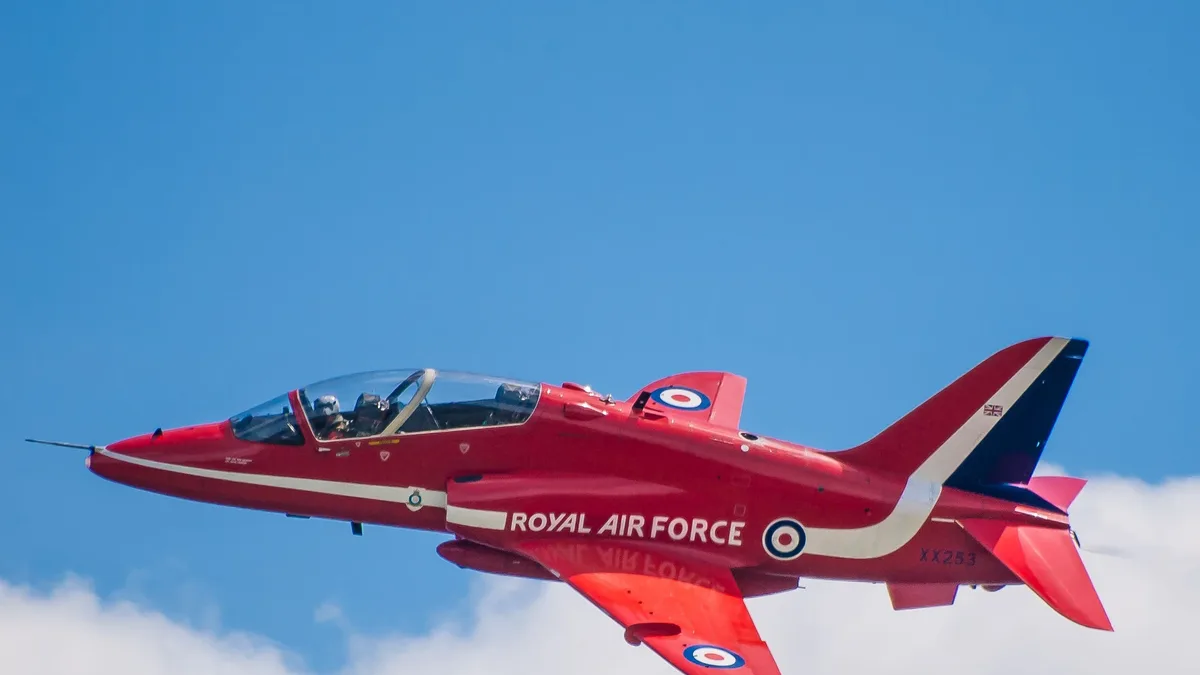
UK Royal Air Force forms first space effects
The UK has established No. III Space Effects Squadron, its first dedicated unit for offensive and defensive space operations, to disrupt and deny...
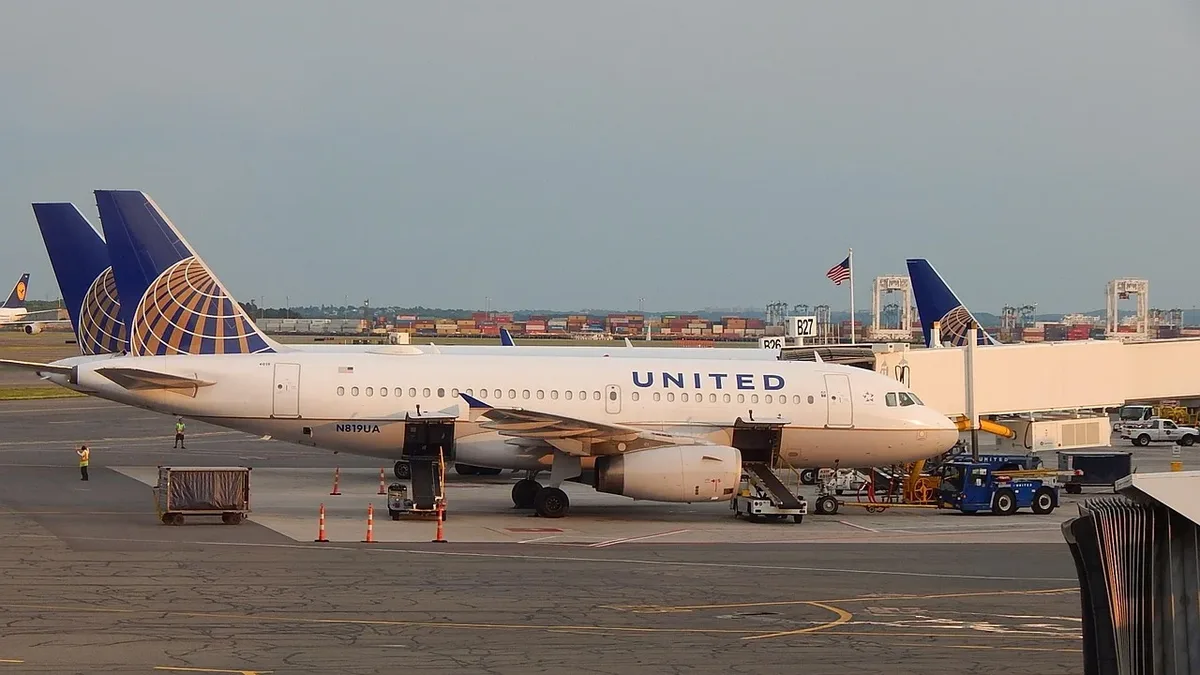
BermudAir Leases Embraer E190F for Cargo Expansion
BermudAir has leased an Embraer E190F freighter, marking its entry into dedicated cargo operations and the first deployment of this aircraft type in...

House Report Urges Long-Term Brain Health Study for Navy
A U.S. House oversight report calls for a multi-year study into potential brain injuries in Navy pilots from carrier operations, citing concerns over
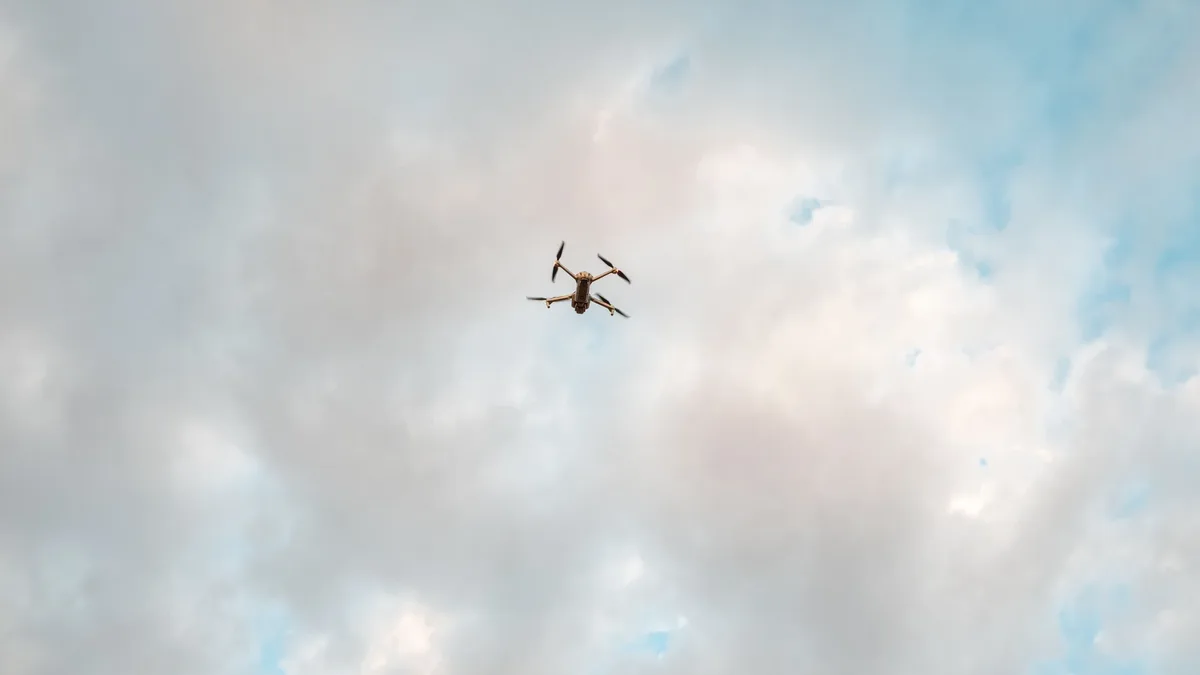
Drone and Balloon Ground 400+ San Diego Flights
A drone and a stratospheric test balloon disrupted operations at San Diego International Airport, causing a ground stop and delaying over 400 flights.
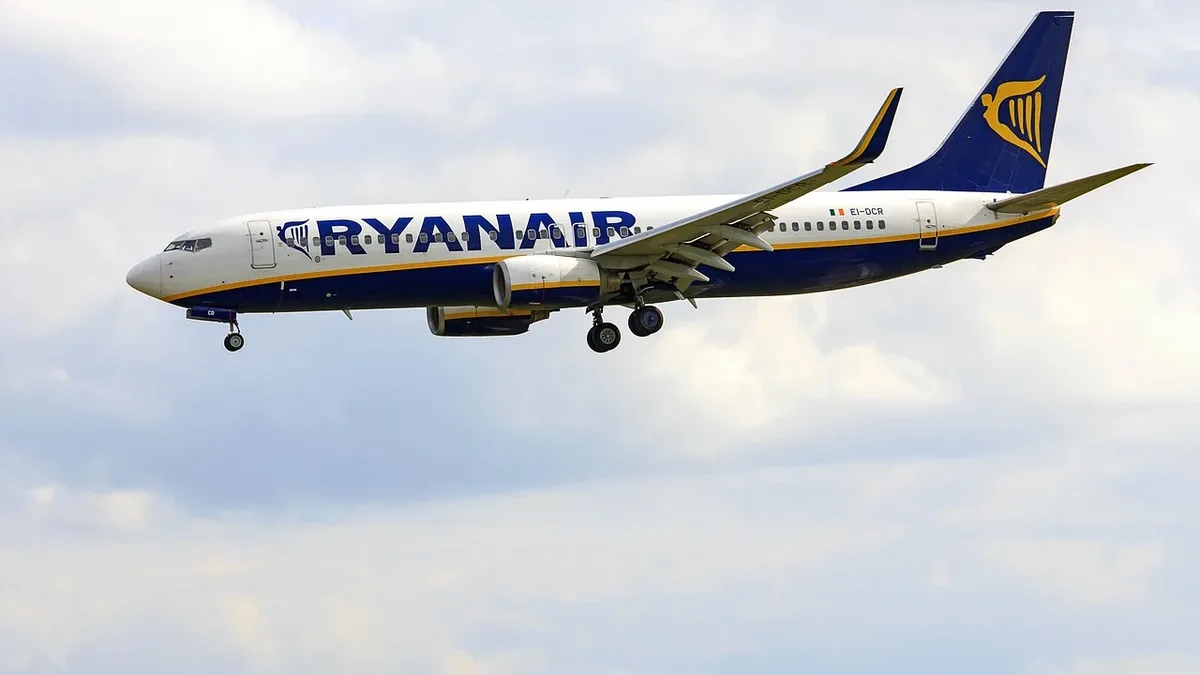
Ryanair cuts growth target on fuel crisis
Ryanair warns some European airlines may not survive the winter due to high fuel prices, as it reduces its own passenger forecast and holds capacity...
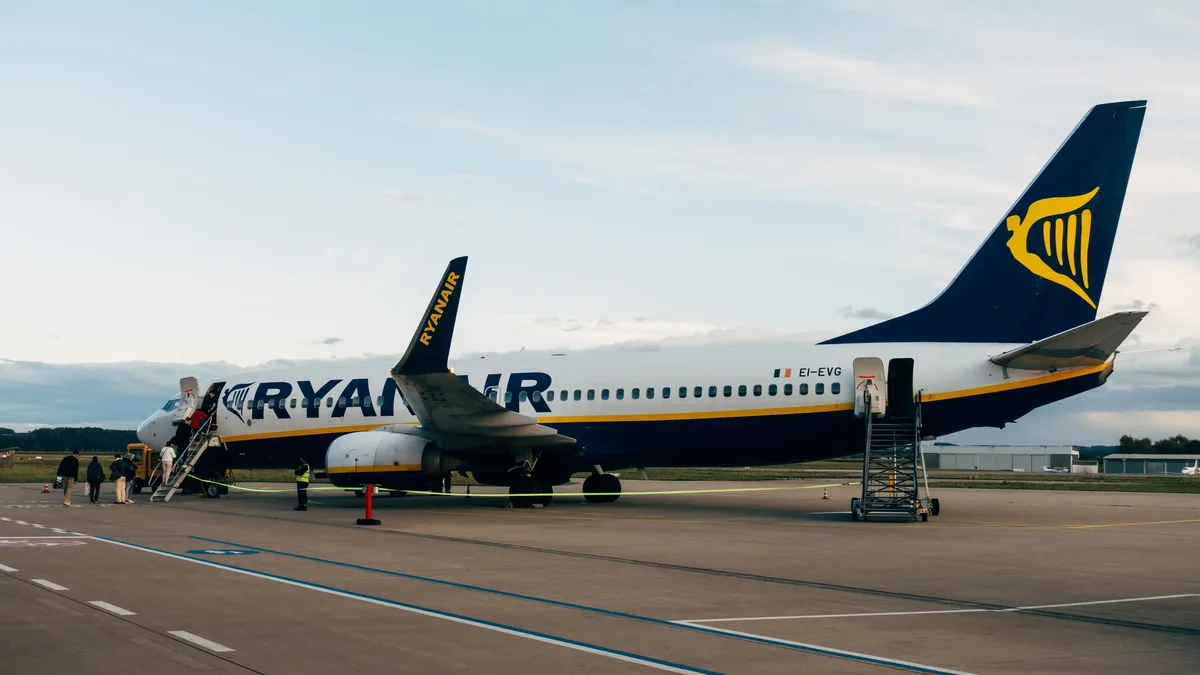
Ryanair Cuts Winter Flights Over $140 Fuel
Ryanair is reducing its winter flight schedule and passenger target for FY27, citing high jet fuel prices driven by geopolitical tensions.