Boeing to Modify 30 Stored 777X Jets Before 2027 Deliveries
Boeing CEO Kelly Ortberg says 30 completed 777X aircraft require extensive 'change incorporation' rework, with older airframes needing structural
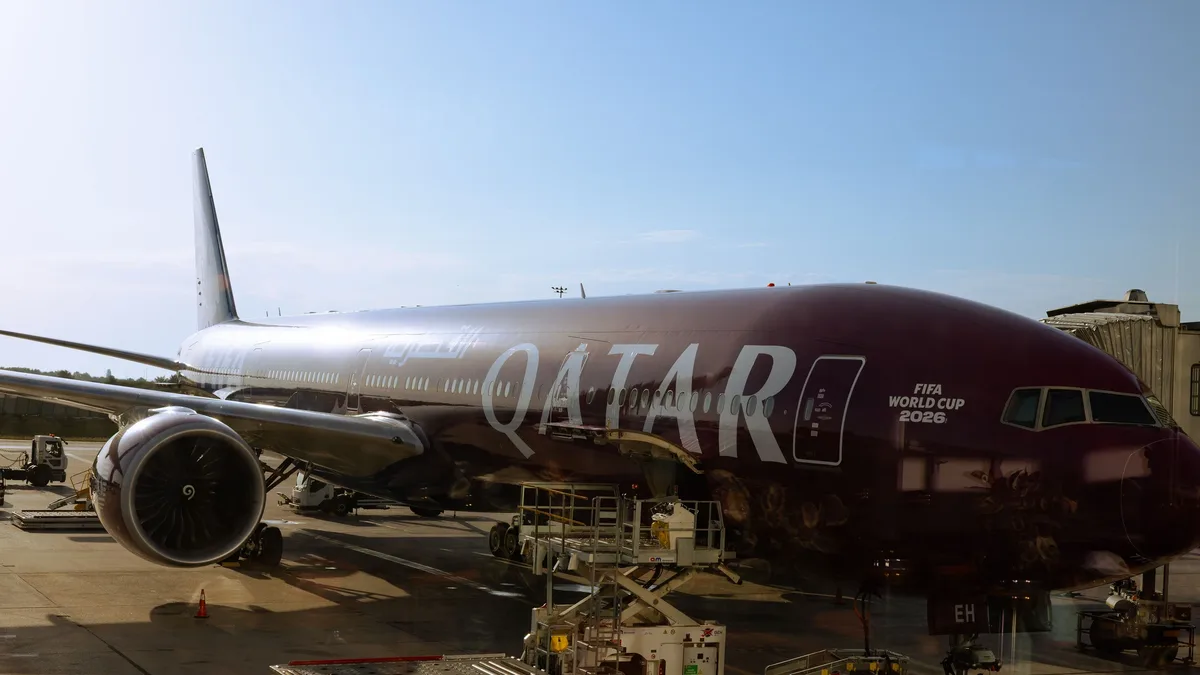
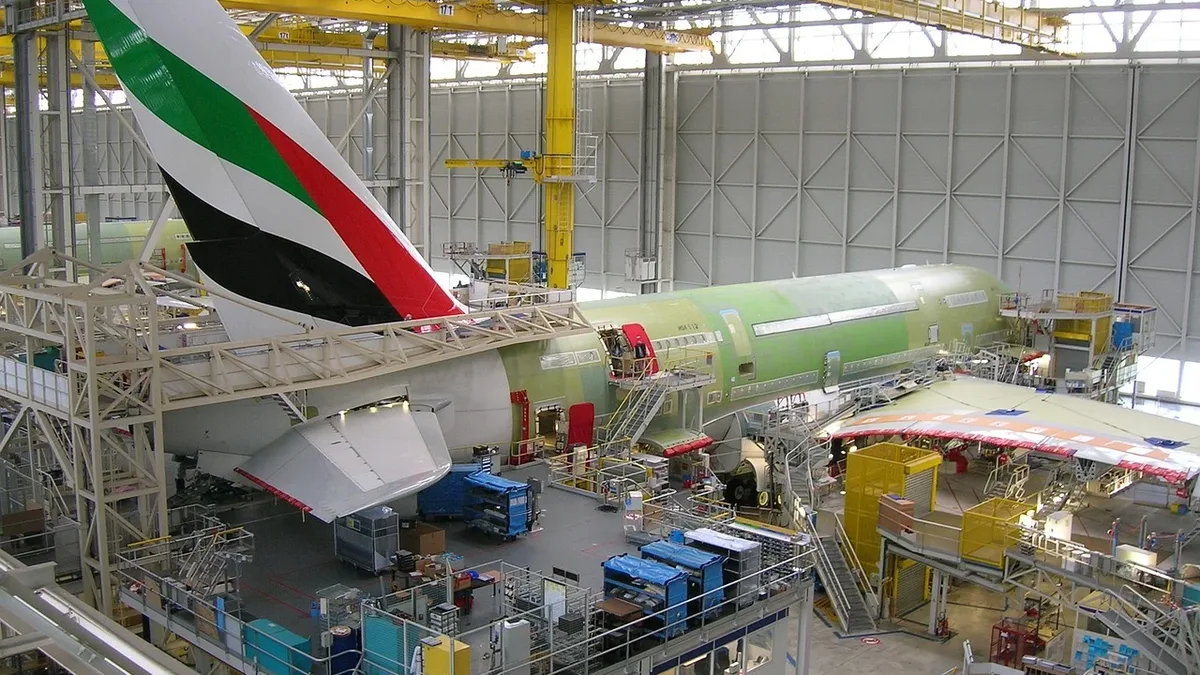
Boeing must open up and modify approximately 30 already-built 777X jets before they can be delivered to customers. CEO Kelly Ortberg disclosed the need for a 'change incorporation' process during the company's first-quarter 2026 earnings call on April 23.
The rework is required to update aircraft built years ago with design changes identified during the prolonged flight-testing and certification program. Ortberg described the effort as a 'pretty massive activity' that will extend over several years. The oldest airframes will require the most extensive modifications, including structural changes, while newer builds need only minor software and systems updates.
A Costly Build-and-Store Strategy
Boeing continued producing 777X aircraft while the design was still evolving through testing. This strategy kept the widebody assembly line active, as shutting it down would be extremely expensive and disruptive. However, it has left dozens of completed jets in storage at Seattle Paine Field International Airport, representing a substantial capital investment that cannot yet generate revenue for the manufacturer or its airline customers.
Building aircraft ahead of certification is unusual. The company required multiple airframes for flight testing and to validate its manufacturing process. This has now created a significant backlog of aircraft that are not in their final, certifiable configuration.
Scope of the Required Rework
The scope of modifications depends entirely on when each airframe was built. According to CEO Kelly Ortberg, older aircraft will require 'more structural-related changes.' Newer builds will need fewer updates.
Industry analysts believe the rework could involve opening completed fuselage and wing sections to replace or reinforce structural components. Other tasks include updating software and avionics, modifying engine attachment hardware, and retrofitting all certification changes to bring early-build aircraft up to the final delivery standard.
A Dedicated Team for a Massive Task
Boeing has established a dedicated team to manage the 777X rework program. The goal is to bring all stored aircraft to a common configuration before applying the final certification and delivery modifications. This move highlights the scale of the challenge and comes amid broader workforce pressures at Boeing.
The company reduced its global workforce by about 10% in late 2024, affecting hundreds of engineers and technicians. These cuts created additional staffing challenges as the 777X program faced major technical hurdles, including complexities with its composite wing and a new fuselage manufacturing process.
Certification Progress Amid Delays
Despite the rework requirement, the 777X certification program is advancing. In March 2026, the FAA authorized Boeing to begin Phase 4A of the Type Inspection Authorization (TIA) process for the 777-9 variant. This phase focuses on natural icing tests, which are believed to be taking place in Alaska.
The overall TIA certification process is divided into five phases. The remaining testing workload is outlined in the table below.
| Certification Phase | Primary Focus |
|---|---|
| Phase 4A | Natural icing tests (currently underway) |
| Phase 4B | To be approved by FAA |
| Phase 5 | Limited series of certification tests |
| Post-Phase 5 | ETOPS and Function & Reliability (F&R) testing |
Following these phases, the aircraft must undergo Extended-range Twin-engine Operational Performance Standards (ETOPS) evaluations and Function and Reliability testing. These final stages require aircraft in a delivery-ready configuration to demonstrate operational reliability. Boeing states the 777-9 program 'continued to make progress' and remains on track for first delivery in 2027.